 Sikkim Tours Online
Shingba Rhododendron Sanctuary Trek
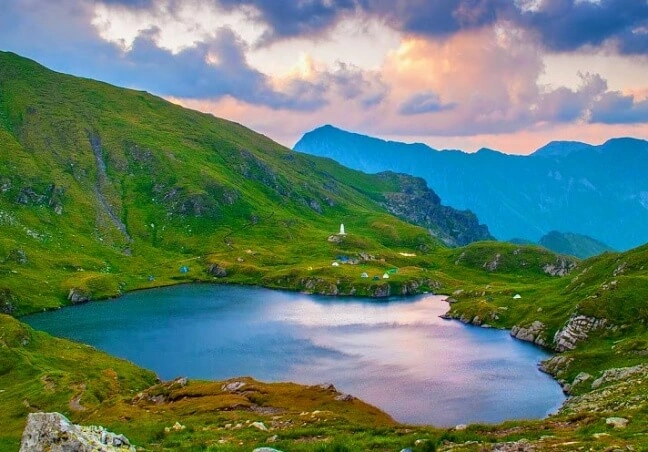
Nestled in the pristine landscapes of East Sikkim, the Shingba Rhododendron Sanctuary Trek offers an enchanting journey through one of India's most biodiverse protected areas. This relatively unexplored trekking route takes adventurers through dense rhododendron forests, alpine meadows, and traditional Lepcha villages, providing an authentic Himalayan experience away from the crowded tourist circuits.
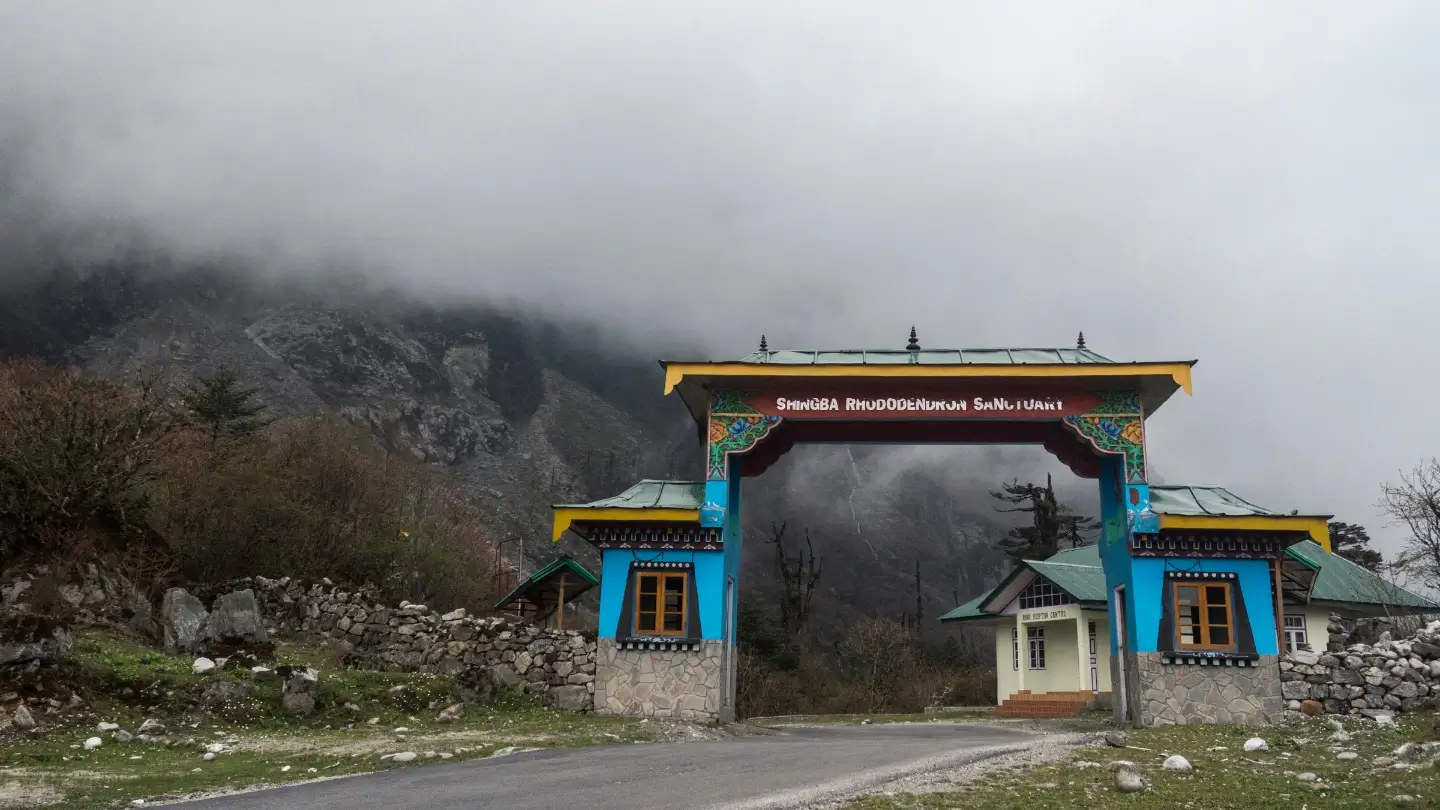
The Shingba Rhododendron Sanctuary Trek in East Sikkim offers a nature-focused Himalayan experience through one of India’s richest rhododendron habitats. Located within the Shingba Rhododendron Sanctuary, the trail passes through dense forests, alpine meadows, and traditional Lepcha settlements, remaining largely free from heavy trekking traffic.
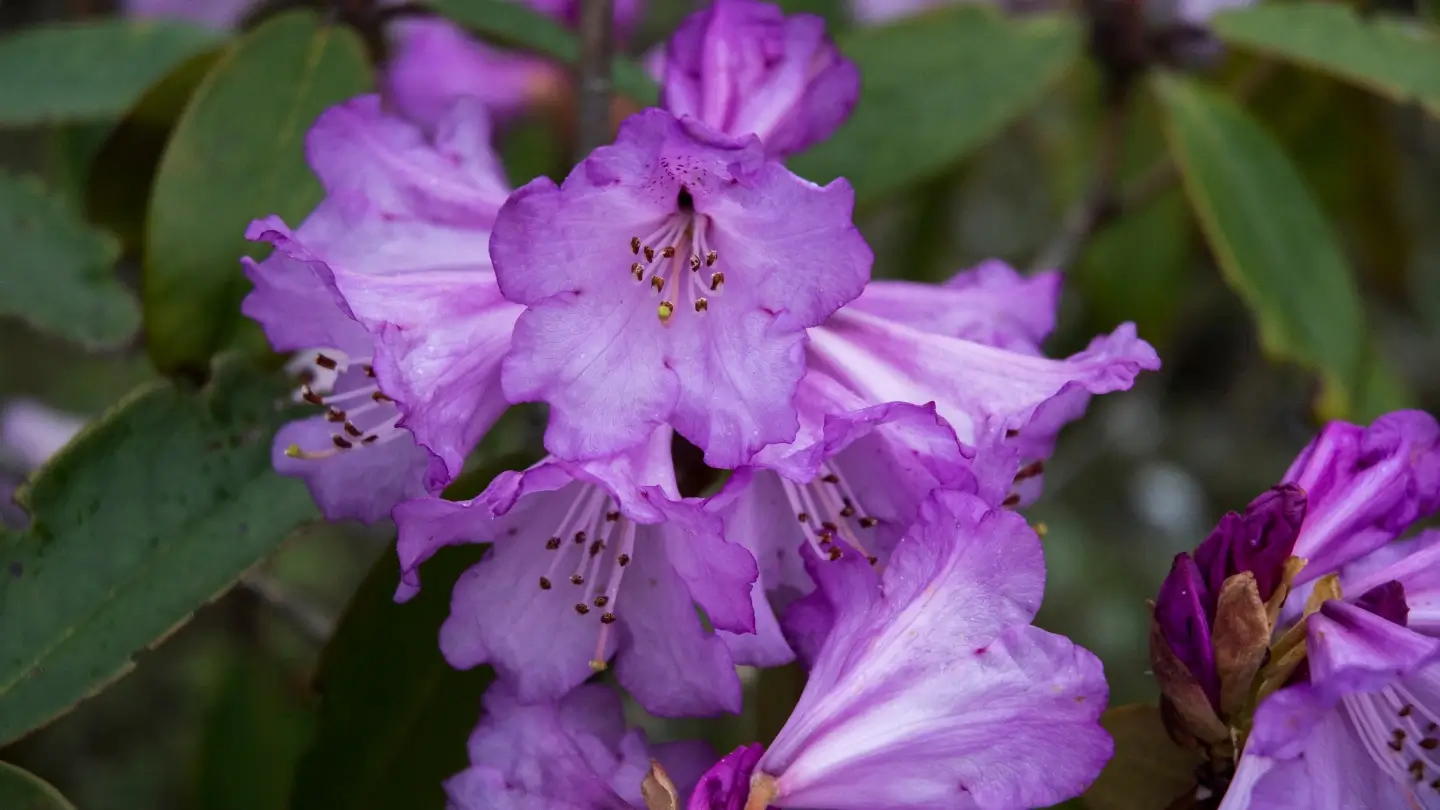
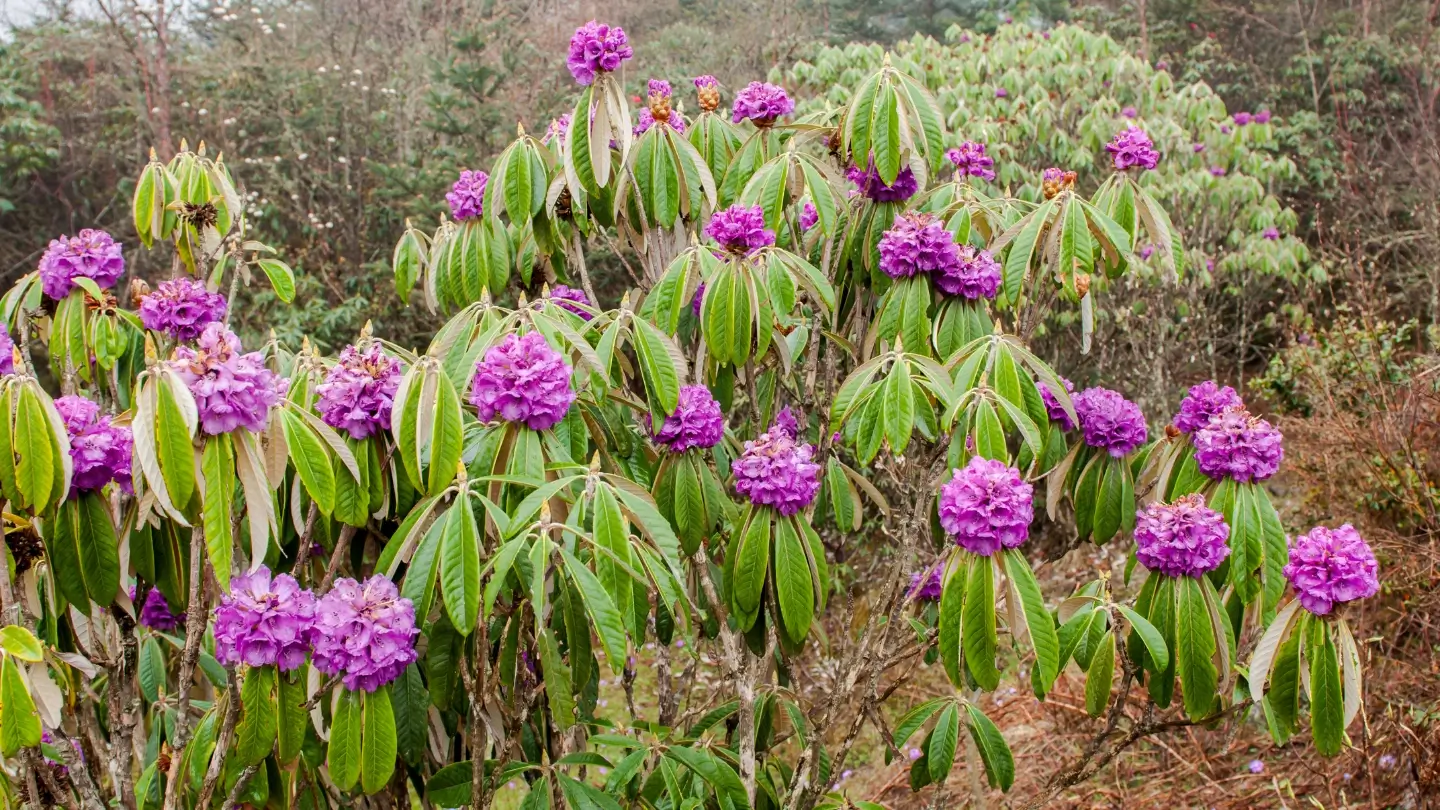
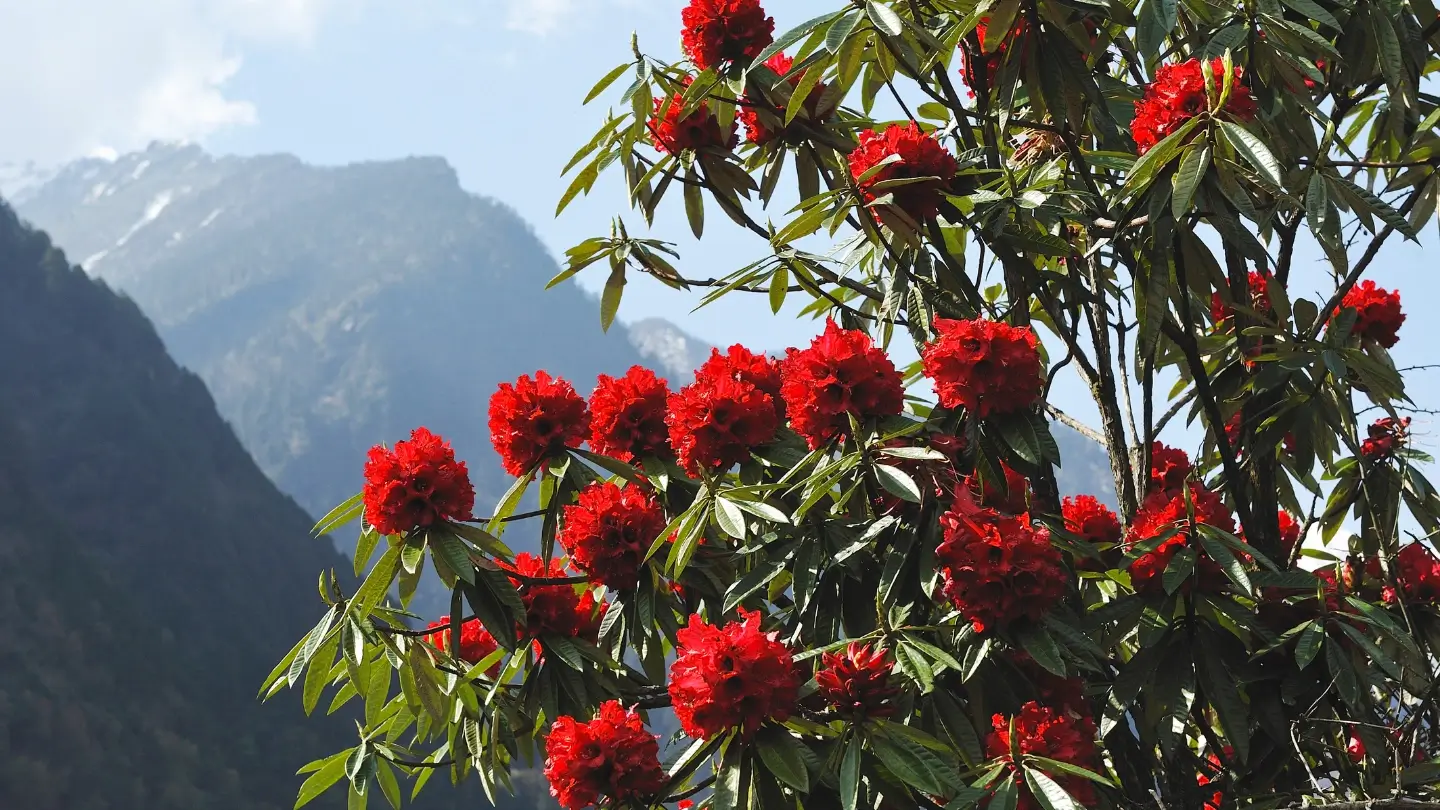
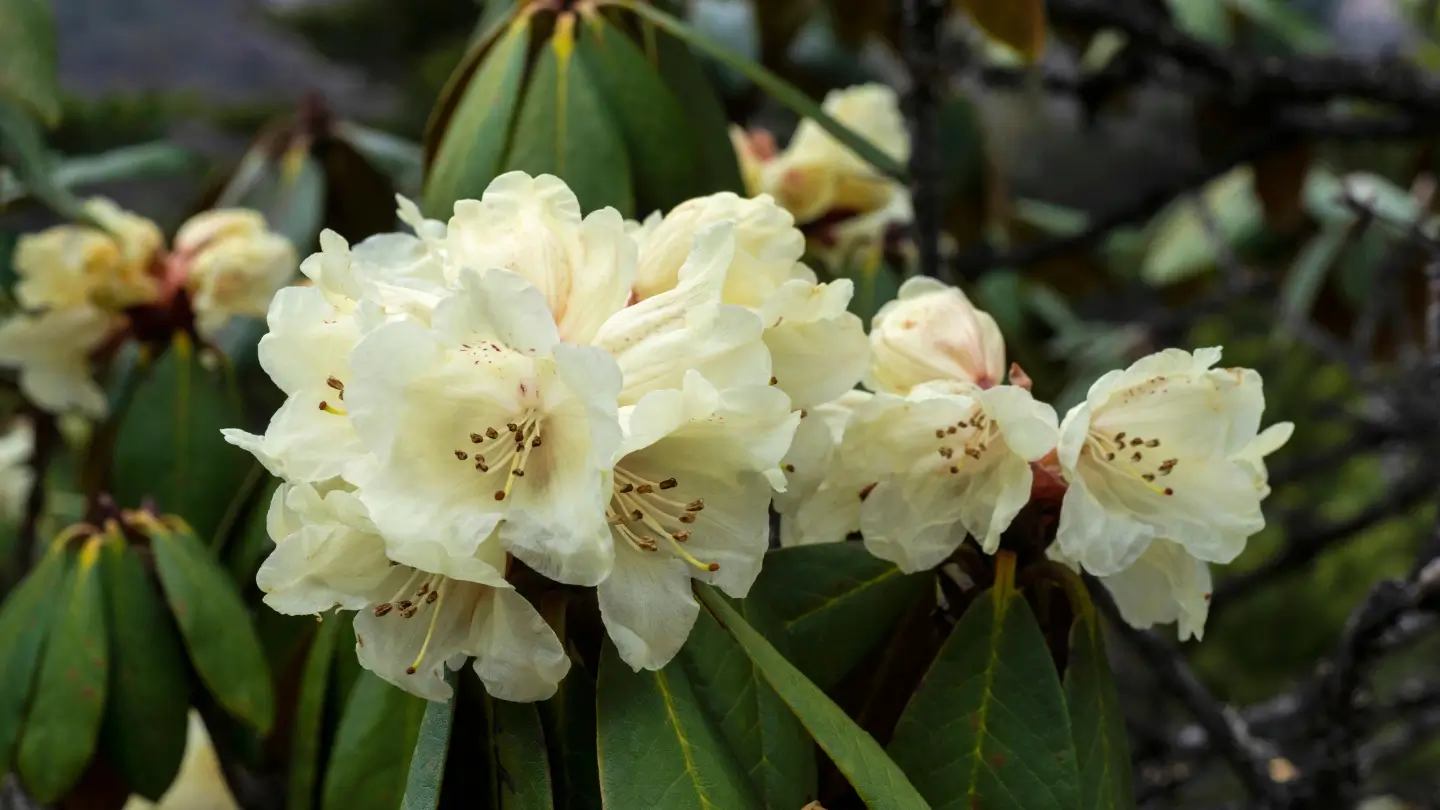
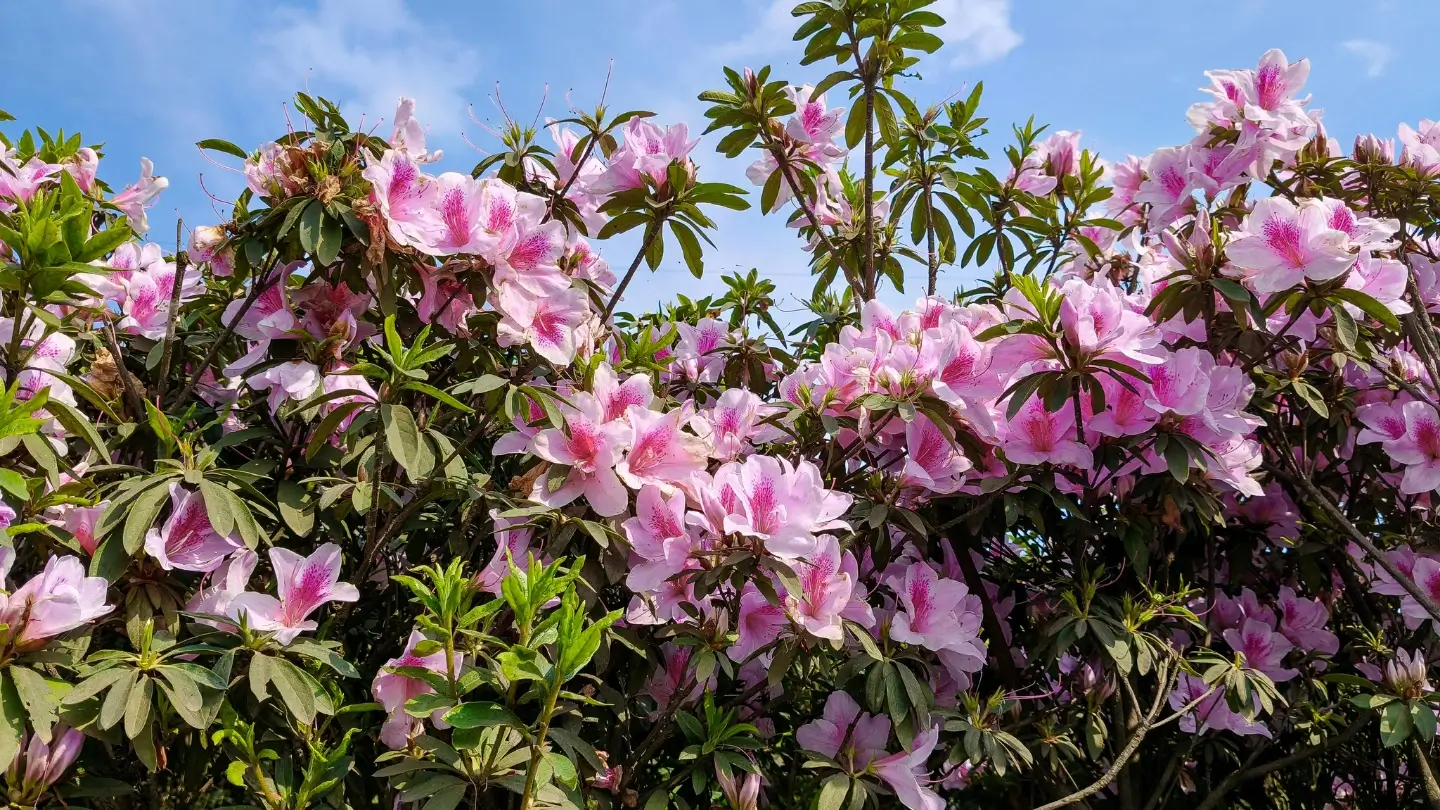
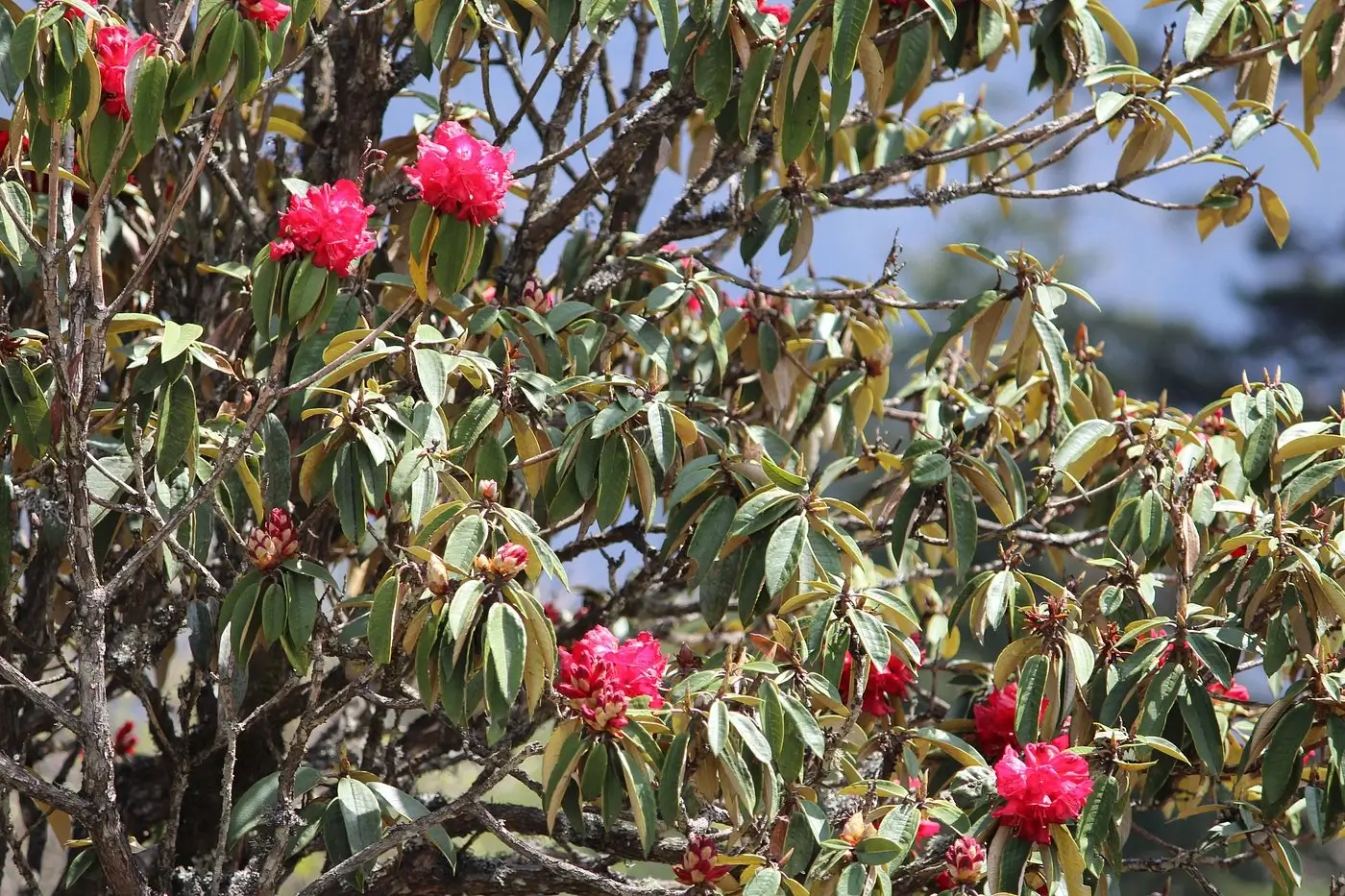
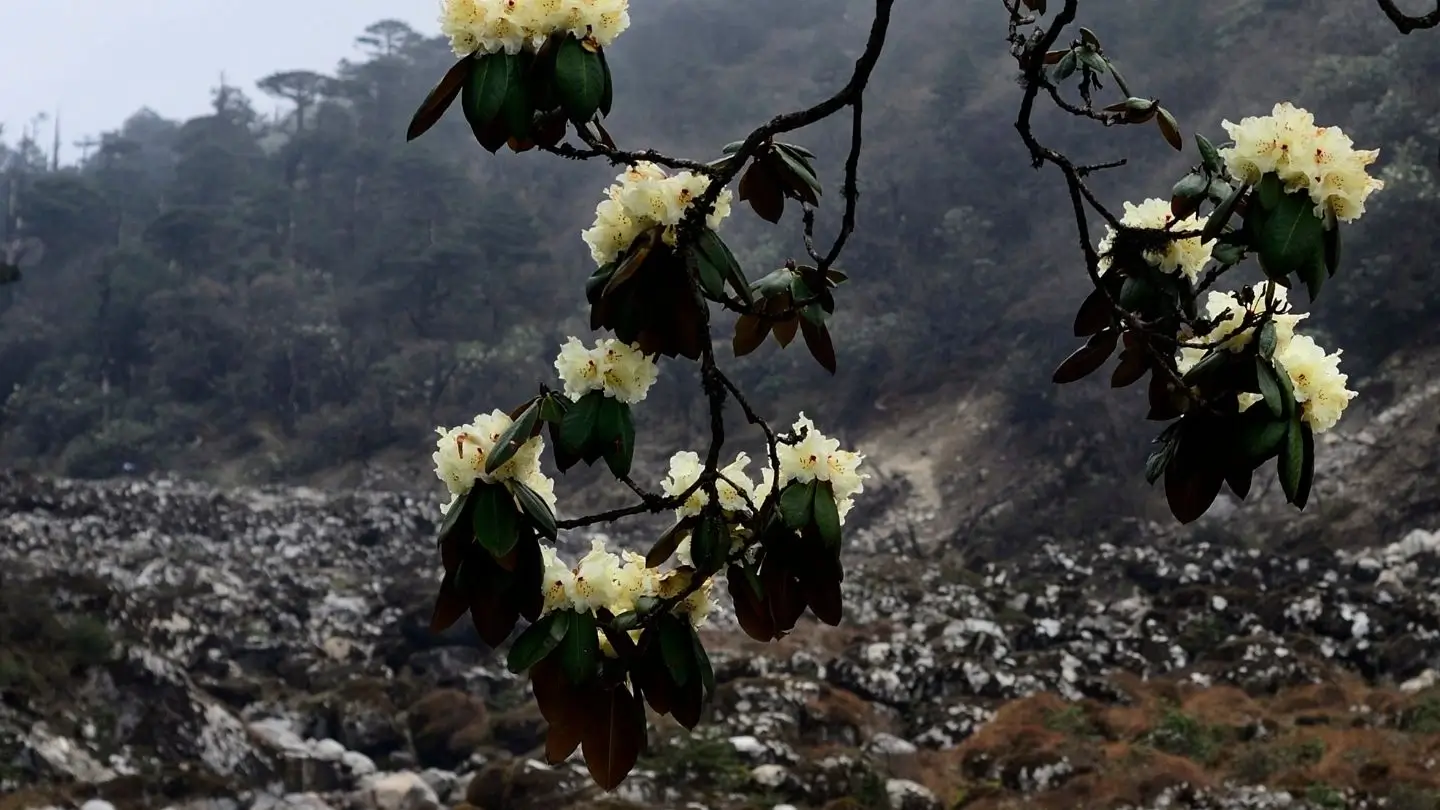
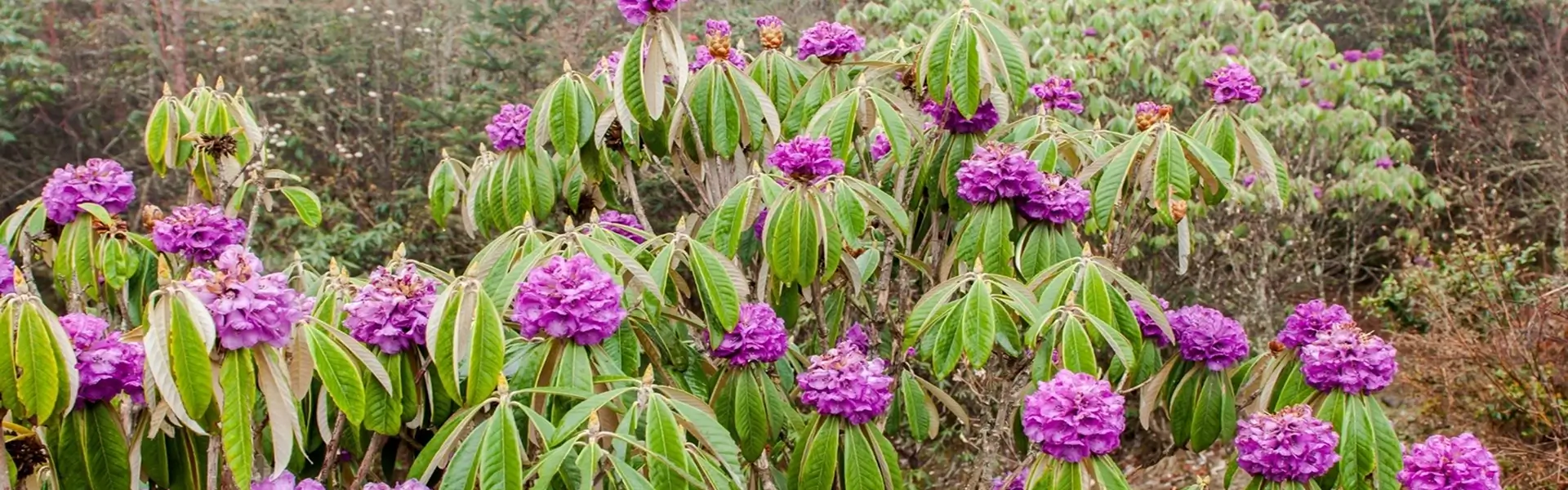
Starting from villages such as Sajong or Lingtam, the trek gradually ascends through subtropical, temperate, and alpine vegetation zones. During the spring blooming season, over 40 species of rhododendrons colour the landscape in vivid shades of red, pink, white, and purple, making this trek especially popular with botanists and nature enthusiasts.
Unlike high-altitude expeditions in Sikkim, this route focuses on biodiversity, culture, and forest landscapes rather than extreme elevation. Well-defined trails and moderate altitude make it suitable for trekkers with reasonable fitness who wish to experience Himalayan wilderness without technical difficulty.
The Shingba Rhododendron Sanctuary Trek has been gaining popularity among discerning trekkers and nature enthusiasts for several compelling reasons that set it apart from other Sikkim trekking tours.
1. Unparalleled Floral Diversity
The sanctuary is best known for its extraordinary rhododendron diversity, with more than 40 species growing across different altitude bands. From tall tree rhododendrons to low-growing alpine varieties, the floral display during April and May is unmatched anywhere else in India.
2. Off-the-Beaten-Path Adventure
Shingba remains relatively uncrowded due to restricted permits and limited commercial promotion. This allows trekkers to experience quiet forest trails and undisturbed natural surroundings, setting it apart from more popular trekking routes in Sikkim.
3. Rich Biodiversity Hotspot
The sanctuary protects a diverse Himalayan ecosystem that includes orchids, medicinal plants, and rare wildlife such as red pandas, Himalayan black bears, and various pheasant species. While wildlife sightings are unpredictable, the ecological richness of the forest remains a key attraction for nature lovers.
4. Cultural Immersion
The trek passes through Lepcha settlements where traditional forest knowledge, folklore, and sustainable lifestyles remain closely tied to the landscape. These cultural interactions add context to the trek, offering insight into Sikkim’s indigenous heritage alongside its natural beauty.
5. Photographic Paradise
The combination of rhododendron forests, mist-covered trails, and open mountain viewpoints makes Shingba particularly rewarding for photography. Spring highlights floral close-ups, while autumn offers clearer views and forest textures without the blooms.
6. Gateway to Further Exploration
The Shingba Rhododendron Sanctuary Trek serves as an excellent introduction to higher-altitude Himalayan treks or can be combined with other best treks in Sikkim to create extended itineraries. Its moderate difficulty makes it accessible to a wider range of trekkers while still providing the thrill of Himalayan adventure.
The best time to do the Shingba Rhododendron Sanctuary Trek is April–May for rhododendron blooms and September–November for clear weather and forest scenery.
1. Spring (April–May):
Peak blooming season with widespread rhododendron flowers across altitude zones. The weather remains pleasant, making this the most popular time for the trek.
2. Autumn (September–November):
Post-monsoon clarity brings fresh forest landscapes and good mountain visibility. While flowers are absent, trails are stable and conditions comfortable.
Understanding the physical demands of the Shingba Rhododendron Sanctuary Trek helps in proper preparation and ensures an enjoyable experience. Overall, the trek is classified as a moderate trek and is suitable for beginners with preparation as well as experienced trekkers seeking a relaxed Himalayan route.
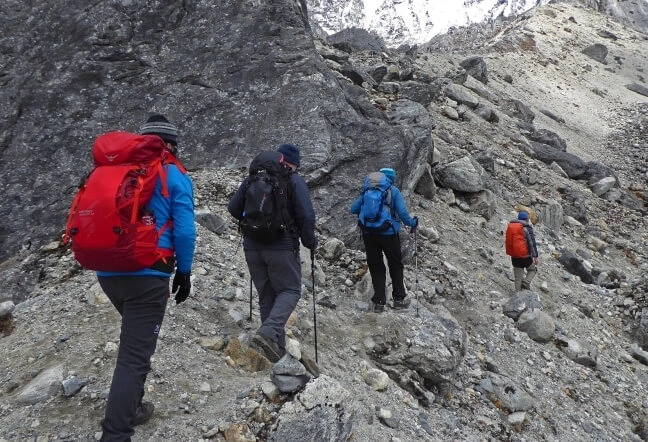
The trek involves daily walking distances of 10–15 kilometers with elevation gains ranging from 400 to 800 meters per day. The trails consist of well-defined paths through forests, occasional steep ascents and descents, and some rocky sections requiring careful footing.
Unlike high-altitude treks such as the Goecha La Trek, the relatively moderate altitude means that acute mountain sickness is rarely a concern, though proper acclimatization is still advisable.
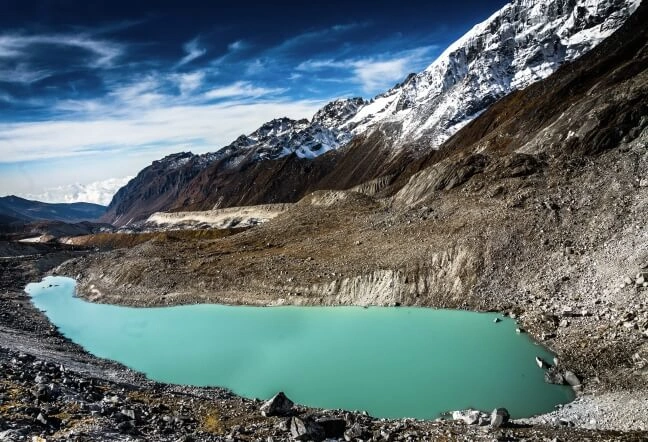
The terrain varies significantly throughout the trek:
The Shingba Rhododendron Sanctuary Trek offers a rare combination of floral richness, forest trekking, and cultural interaction in the Eastern Himalayas.
Without the demands of high-altitude expeditions, it provides an accessible yet immersive trekking experience for those interested in nature, biodiversity, and quieter Himalayan trails.
Whether undertaken during the vibrant spring bloom or the calm clarity of autumn, Shingba remains one of Sikkim’s most rewarding treks.
Here are quick links to explore the Sikkim Tours Online website and find important information about Sikkim travel, tourism, and holiday packages.