 Sikkim Tours Online
Kanchenjunga Base Camp Trek
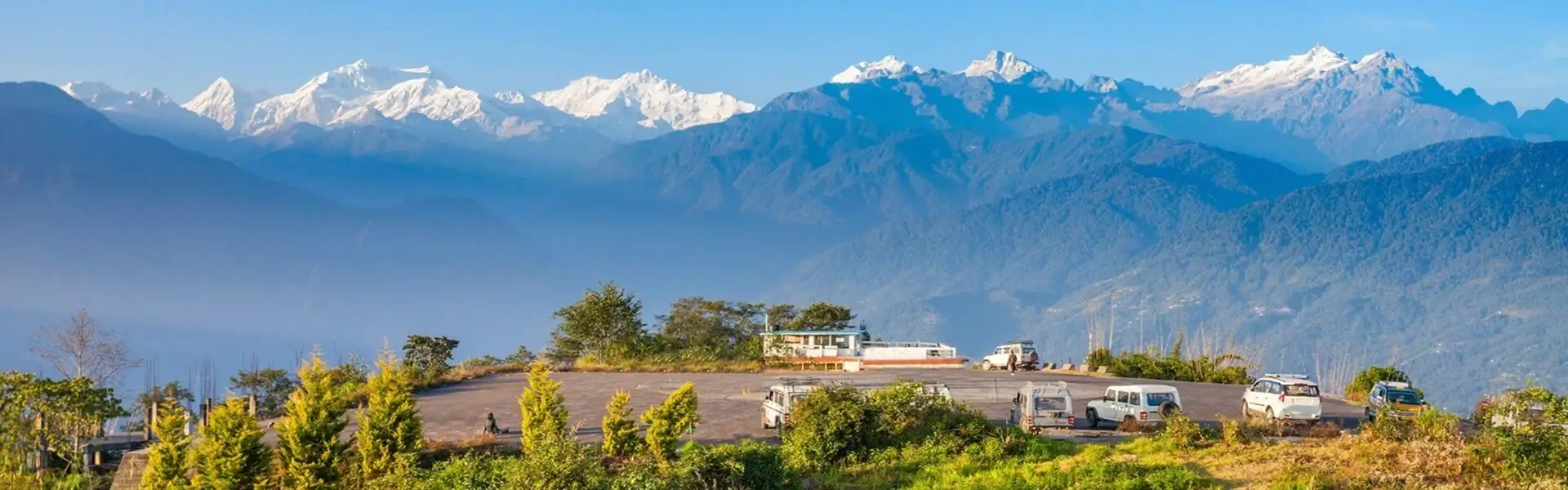
The Kanchenjunga Base Camp Trek in Sikkim is one of India’s most remote and demanding high-altitude Himalayan treks, designed for experienced trekkers seeking an expedition-style journey. Located in West Sikkim, this trek takes adventurers deep into the heart of the Kanchenjunga National Park, a UNESCO World Heritage Site and one of the least disturbed mountain ecosystems in the Himalayas.
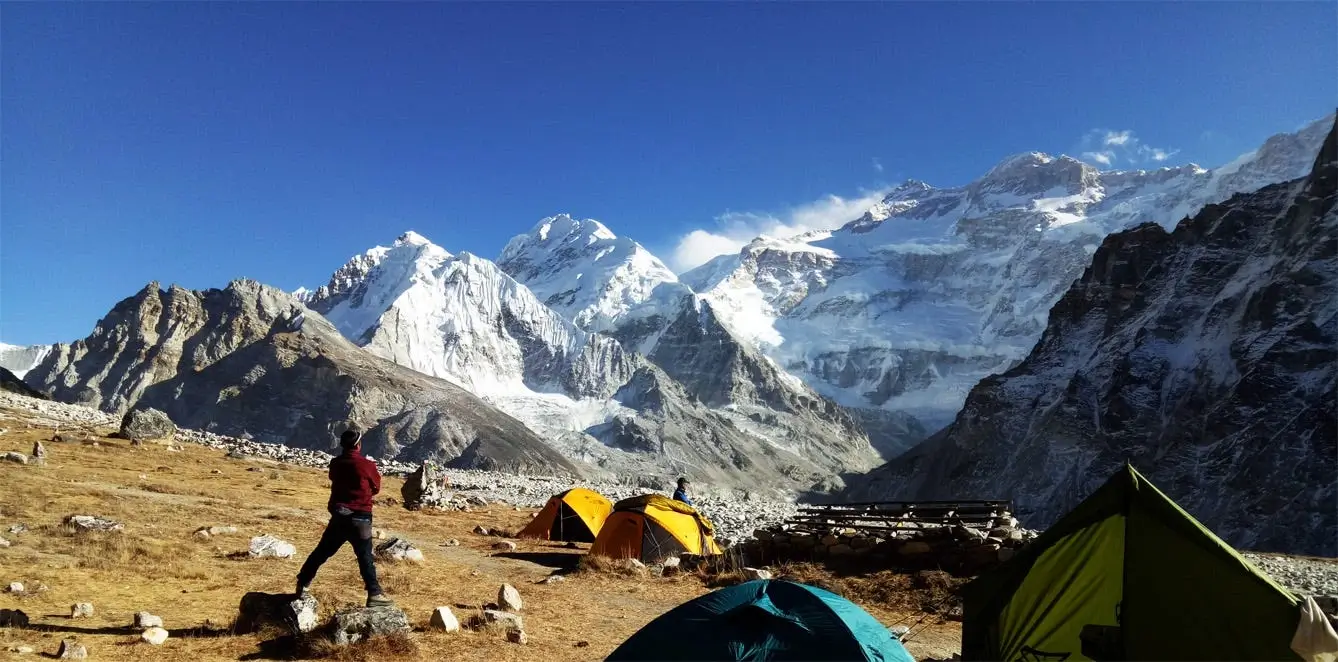
Starting from Yuksom, the historic capital of Sikkim, the trail follows ancient trade routes and shepherd paths before gradually entering dense forest zones, high alpine valleys, and glacial basins that lie close to the base of the Kanchenjunga massif, the third-highest mountain in the world (8,586 m).
Unlike popular Himalayan treks that remain near tourist-accessible corridors, the Kanchenjunga Base Camp route ventures into extremely isolated terrain. Trekkers pass through remote camps such as Sachen, Tshokha, Dzongri, Thangsing, Zemu Valley extensions, and interior alpine basins, depending on the chosen approach route.
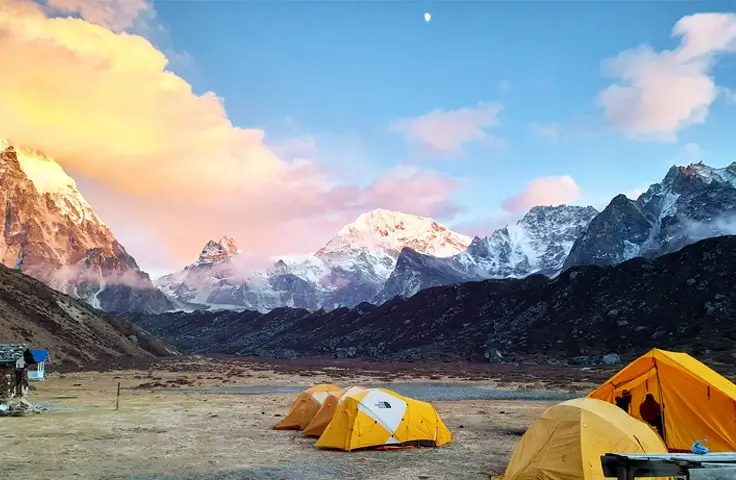
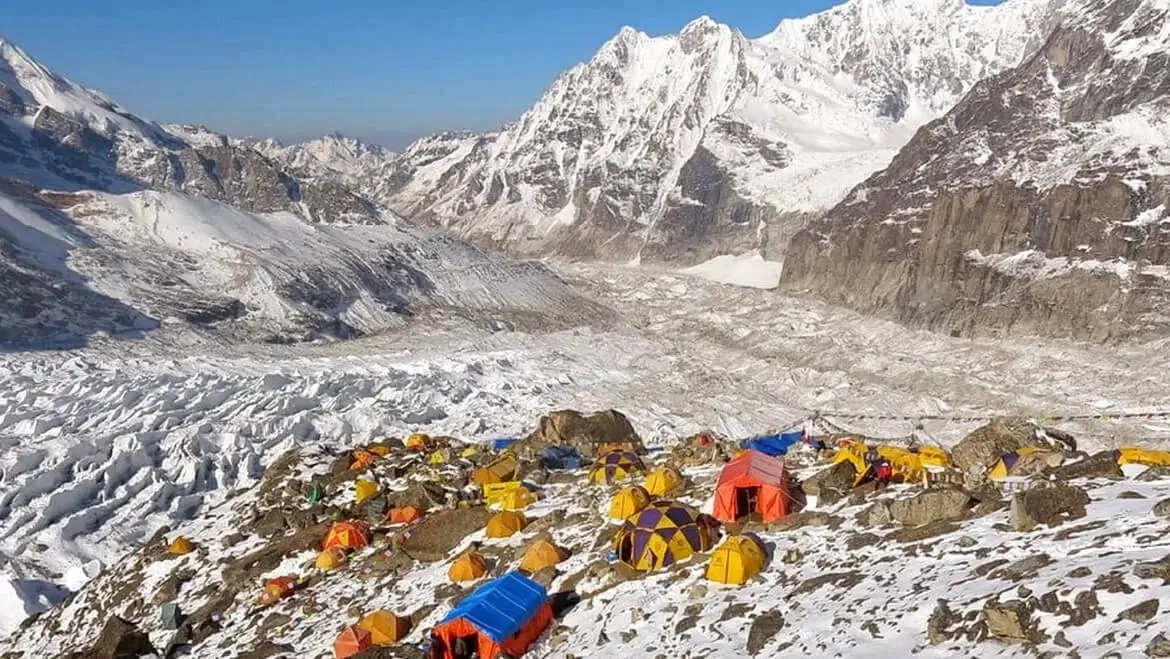
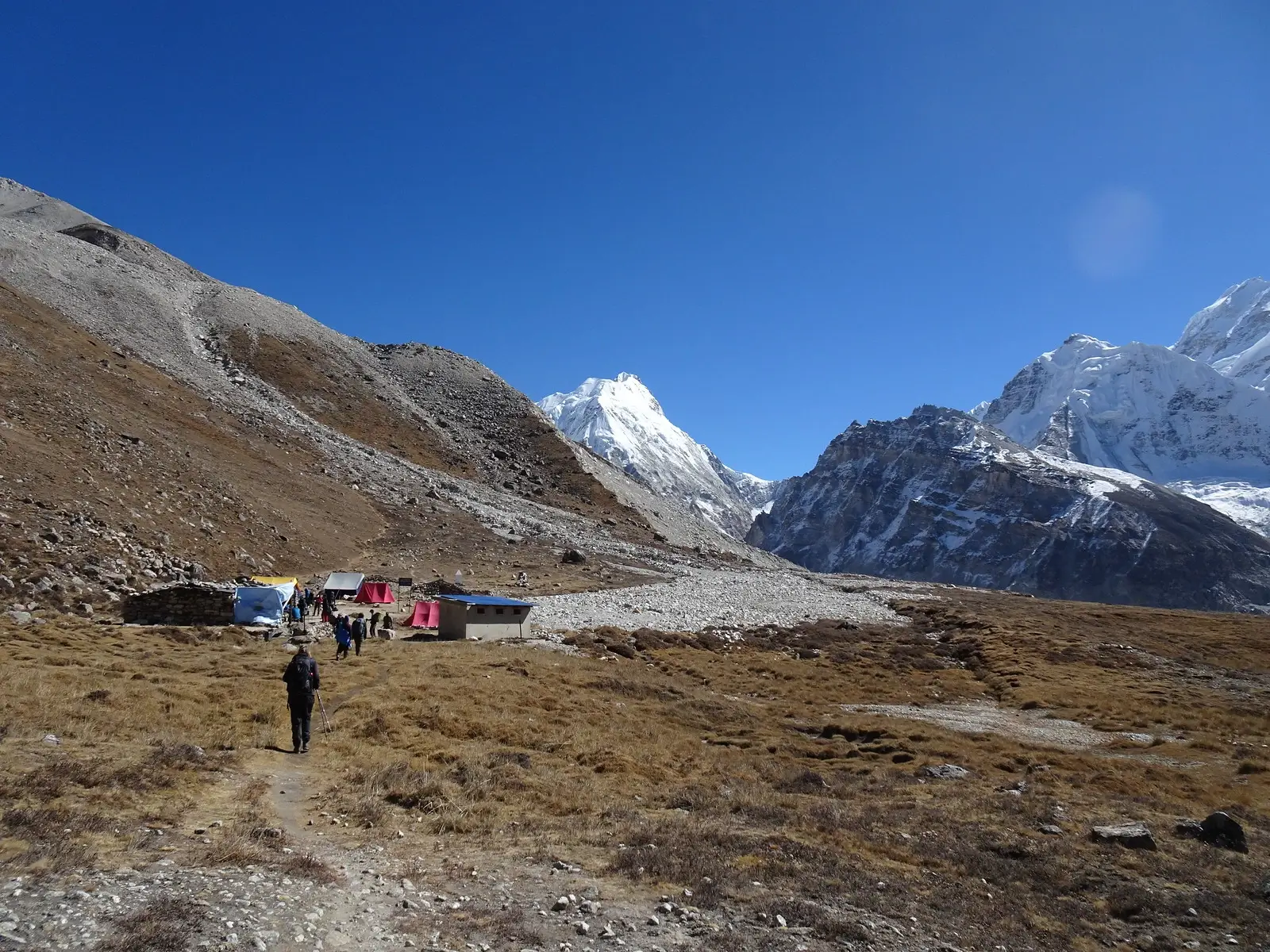
Accommodation throughout the trek is exclusively in tents, with no permanent infrastructure beyond lower villages. The trail demands long walking days, careful acclimatization, and high physical endurance. Due to strict conservation policies and border sensitivity, access to this region is highly regulated, and trekking is allowed only through registered operators with approved permits. This trek in Sikkim is not merely a physical journey but an immersion into one of the last truly wild Himalayan landscapes in India.
The Kanchenjunga Base Camp Trek holds legendary status among Himalayan trekkers because of its remoteness, scale, and proximity to the Kanchenjunga massif. It is considered one of the most serious trekking expeditions in India that does not involve technical mountaineering.
1. Direct Access to the Kanchenjunga Massif
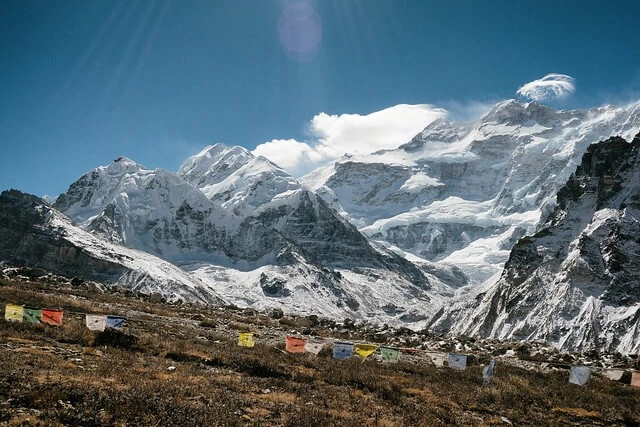
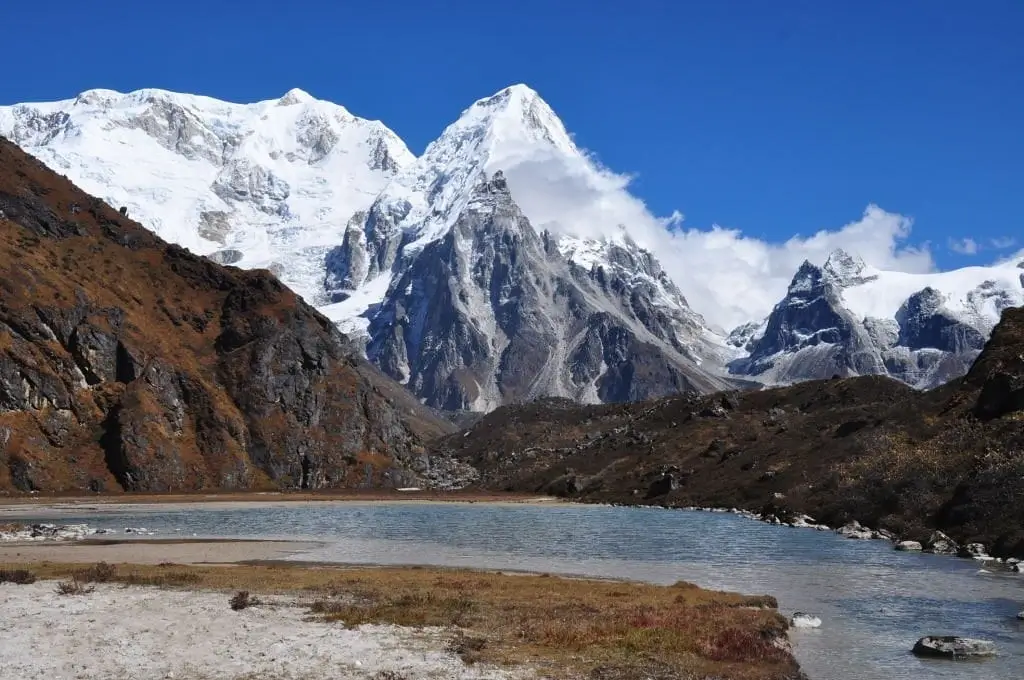
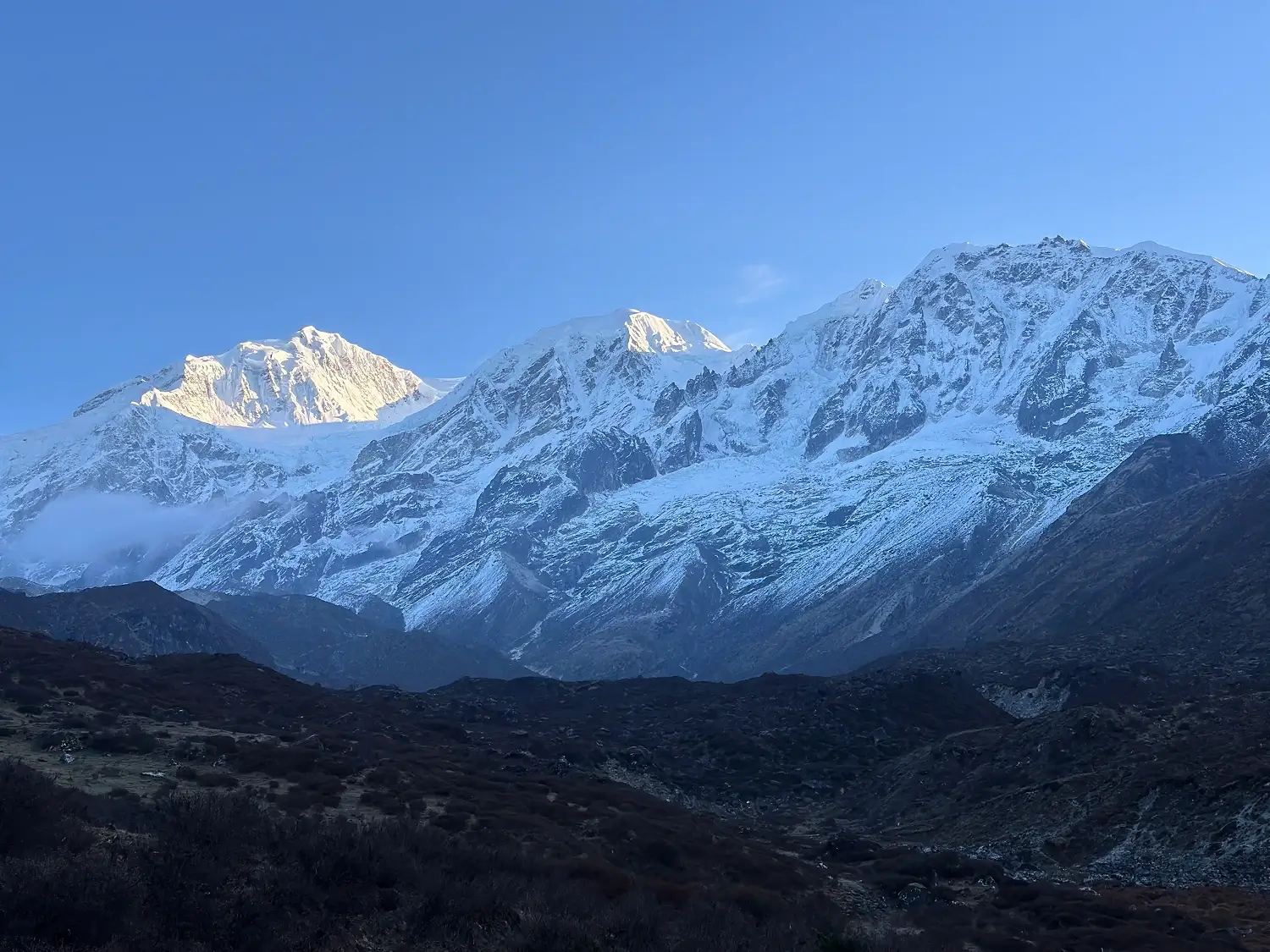
The primary reason for the trek’s significance is its closeness to Mount Kanchenjunga, the highest peak in India and the third highest in the world. Unlike treks that offer distant viewpoints, this route brings trekkers into the glacial and alpine zones beneath the massif, allowing prolonged exposure to its immense walls, ridgelines, and subsidiary peaks.
The sense of scale experienced near Kanchenjunga Base Camp is unmatched, as the mountains dominate the skyline continuously rather than appearing as brief viewpoints. This sustained proximity to the massif distinguishes the Kanchenjunga Base Camp Trek from most other long-duration Himalayan treks in India.
2. Extreme Remoteness and Wilderness Experience
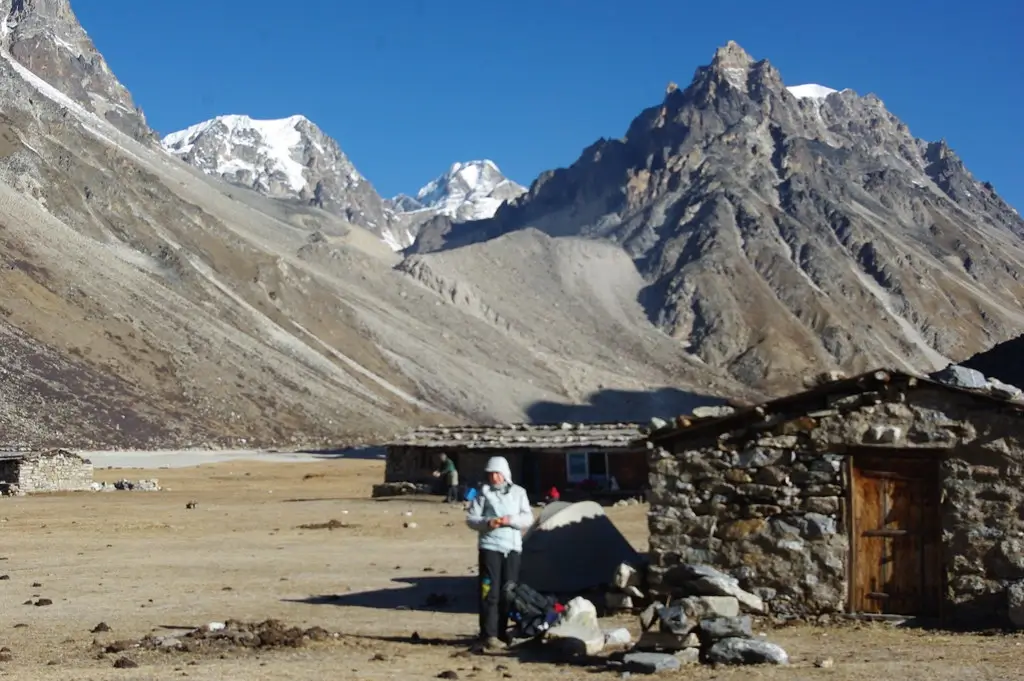
This trek passes through one of the most isolated regions of the Indian Himalayas. Once beyond Tshokha and Dzongri, human presence becomes minimal. There are no roadheads, villages, or commercial facilities for days at a time.
This remoteness offers trekkers a rare opportunity to experience true Himalayan wilderness, where silence, natural sounds, and untouched landscapes define the journey.
3. Diverse and Dramatic Landscapes
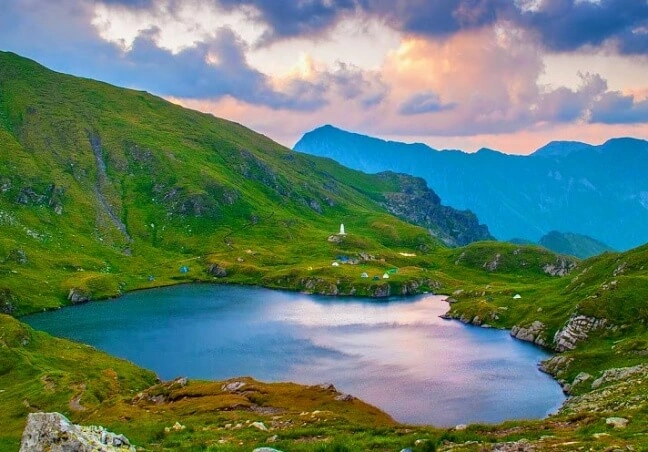
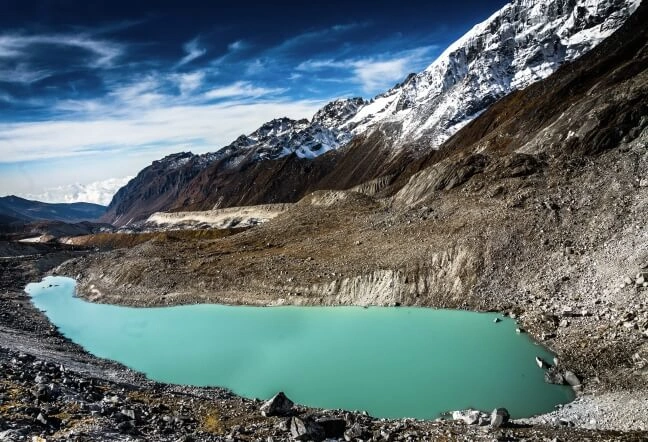
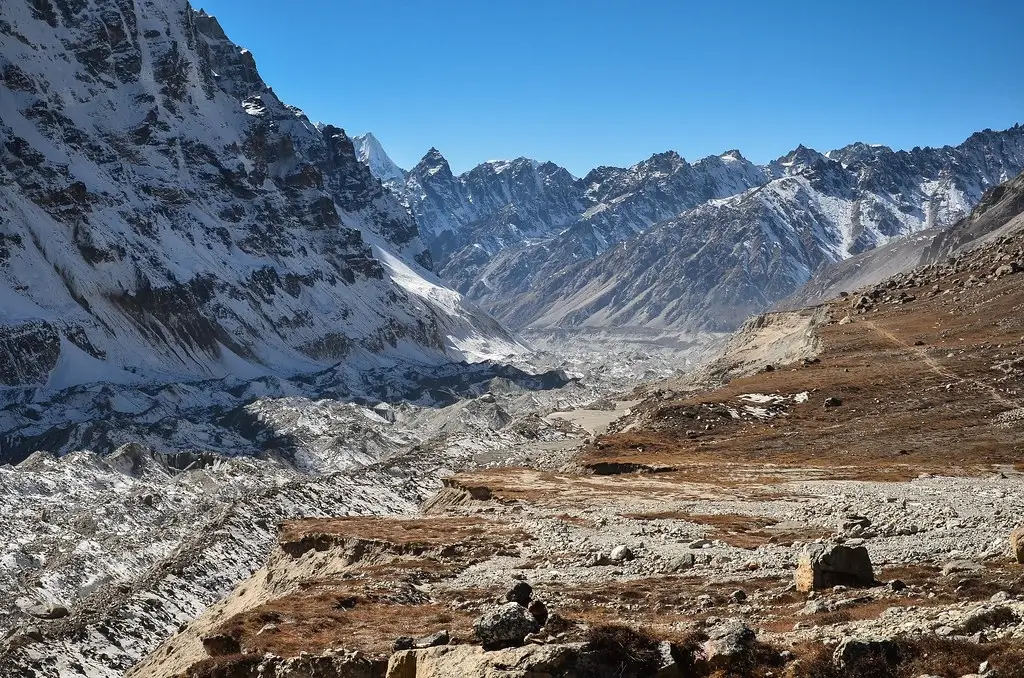
The Kanchenjunga Base Camp route showcases extraordinary geographical variation, including:
Each stage of the trek introduces a new ecological zone, making the journey visually and environmentally rich.
4. Rich Biodiversity of Kanchenjunga National Park
Kanchenjunga National Park is one of India’s most biologically diverse protected areas. The trek passes through habitats that support:
5. Cultural Depth and Sacred Landscape
The region surrounding Kanchenjunga is considered sacred by the people of Sikkim. The mountain itself is revered, and climbing its summit is traditionally avoided out of respect.
Trekkers encounter Buddhist prayer flags, chortens, monasteries, and sacred lakes, reinforcing the spiritual significance of the land. Local communities maintain deep cultural ties to the mountain, adding an intangible but powerful dimension to the trek.
6. Serious Physical and Mental Challenge
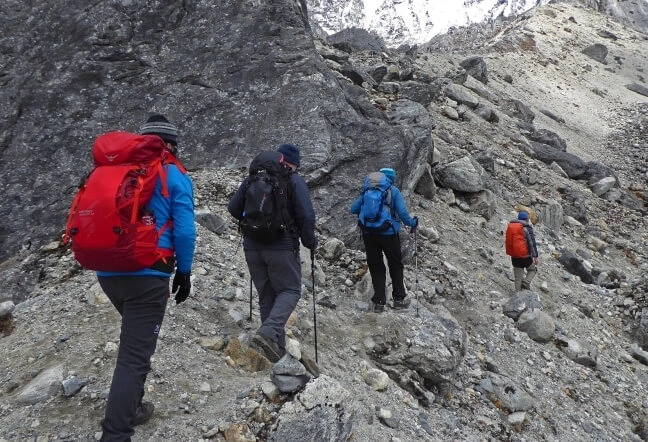
The Kanchenjunga Base Camp Trek is physically demanding due to its length, altitude, and isolation. Long days of walking, cold temperatures, and minimal comfort test endurance and mental resilience.
This challenge is precisely what attracts experienced trekkers seeking a meaningful, expedition-style Himalayan journey rather than a recreational hike.
The best time to do the Kanchenjunga Base Camp Trek is April–May and September–October, when weather stability and mountain visibility are at their best.
1. Spring (April to May): Best Overall Conditions
Spring is one of the most suitable seasons for the Kanchenjunga Base Camp Trek. Weather conditions are relatively stable, and trails are accessible after winter snow begins to melt.
Rhododendron forests bloom spectacularly, while clear skies provide consistent views of the Kanchenjunga massif. Temperatures are cold at night but manageable with proper gear.
2. Autumn (September to October): Best Visibility and Stability
Autumn offers the clearest mountain views due to post-monsoon air clarity. Trails are dry, and the risk of landslides is significantly reduced.
This season is particularly valued for photography and uninterrupted views of high peaks, making it one of the most reliable windows for the trek.
3. Winter (November to March): Extremely Challenging
Winter conditions bring deep snow, sub-zero temperatures, and blocked passes. Campsites may be inaccessible, and evacuation becomes difficult.
This season is suitable only for highly experienced teams with advanced winter trekking expertise and is generally not recommended.
4. Monsoon (June to August): Unsafe and Not Recommended
Heavy rainfall, landslides, leeches, swollen rivers, and poor visibility make monsoon trekking dangerous in this region. Access permits are often restricted during this time.
April–May and September–October provide the safest and most rewarding conditions for the Kanchenjunga Base Camp Trek.
Overall, the Kanchenjunga Base Camp Trek is considered difficult to very difficult due to its altitude, isolation, long duration, and limited evacuation support.
The absence of infrastructure increases the technical and logistical challenge.
This trek is not suitable for beginners.
Here are quick links to explore the Sikkim Tours Online website and find important information about Sikkim travel, tourism, and holiday packages.