Sikkim Tourism Photo Gallery



 Sikkim Tours Online
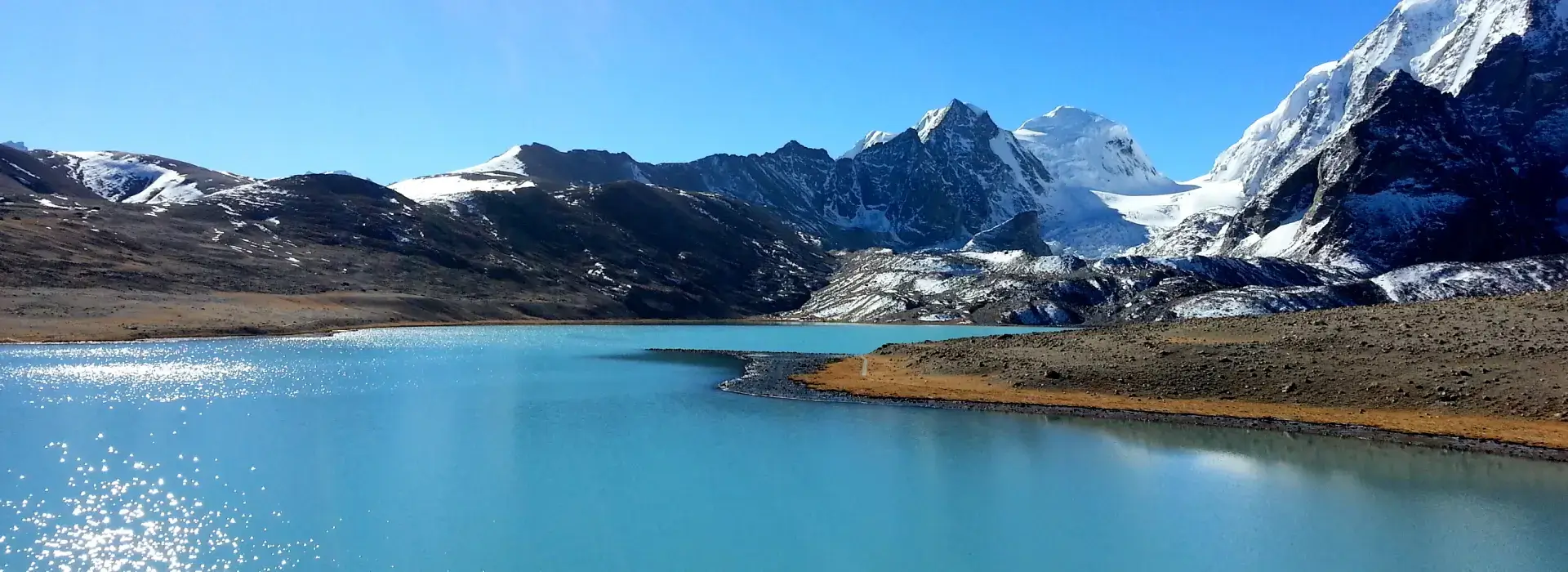
Sikkim in Monsoon
The monsoon season in Sikkim typically lasts from June to September. July is usually the wettest month, with average monthly rainfall ranging between 600 and 700 mm. During this period, temperatures vary from around 5°C in the high-altitude regions to about 20°C in the valleys, and fog frequently blankets the mountain slopes, adding to the region’s ethereal charm. Sikkim experiences two distinct rainy seasons — the summer monsoon and the winter rains. The summer rains are more intense in the southern parts of Sikkim, while during the winter season, the rainfall intensity shifts toward the northern regions. On average, the number of rainy days ranges from around 100 days at Thangu in North Sikkim to about 184 days at Gangtok in East Sikkim.
During the monsoon season, Sikkim transforms into a lush paradise, rivers swell, waterfalls cascade in full force, and the valleys glow in shades of vibrant green. However, the heavy rains can also bring landslides and occasional roadblocks, especially during the peak months of July and August. Despite this, several destinations remain accessible and safe for travelers. Gangtok is among the best places to visit during the monsoon, offering plenty of attractions such as monasteries, museums, cafés, and bustling local markets. Other scenic and relatively safer destinations like Pelling, Ravangla, and Namchi are also ideal for enjoying the misty beauty of Sikkim in winter season.
The rain-washed hills and valleys create perfect conditions for short treks and photography. Trails around Ravangla, Chopta Valley, and the Barsey Rhododendron Sanctuary become especially enchanting, making them wonderful for nature walks and birdwatching. While many high-altitude treks remain inaccessible during the monsoon and winter months, this season is perfect for experiencing the cultural side of Sikkim.
Every August, West Sikkim hosts the Tharpu Monsoon Festival, a lively celebration of local traditions featuring folk dances, traditional music, and regional art forms, offering a glimpse into the state’s rich heritage. Another significant monsoon festival in Sikkim is Drukpa Tshe-Zi, observed on the fourth day of the sixth month in the Tibetan lunar calendar, marking the day when Lord Buddha delivered his first sermon: the Four Noble Truths at Sarnath. Adding to the monsoon’s cultural charm is one of the oldest Lepcha festivals, celebrated in Namchi , the Tendong Lho Rum Faat. Usually held in August, it honors Mount Tendong, which, according to Lepcha legend, saved their ancestors from a great flood.
Here are quick links to explore the Sikkim Tours Online website and find important information about Sikkim travel, tourism, and holiday packages.