Sikkim Buddhist Monastery Photo Gallery
 Sikkim Tours Online

Buddhist Monasteries in Sikkim
When Guru Rinpoche (Padmasambhava) blessed this land in the 8th century, he prophesied it would become a hidden paradise, a beyul where Buddhist teachings would flourish during times of strife. Sikkim is one of India’s most significant centres of Vajrayana Buddhism, home to more than 200 monasteries spread across its Himalayan landscape. From hilltop gompas overlooking Kanchenjunga to centuries-old meditation retreats tucked into forested valleys, the state offers a deeply immersive Buddhist travel experience.
Buddhist tourism in Sikkim attracts travelers interested in monasteries, meditation centres, and Himalayan spiritual heritage. Travelers planning a Sikkim monastery tour often explore the wider Buddhist circuit that connects Gangtok, Pelling, Yuksom, Ravangla, Namchi, and North Sikkim. These monasteries are not preserved relics but active institutions of prayer, study, and ritual practice.
This guide presents ten of the most important Buddhist monasteries and temples in Sikkim, along with practical insights to help structure your journey.
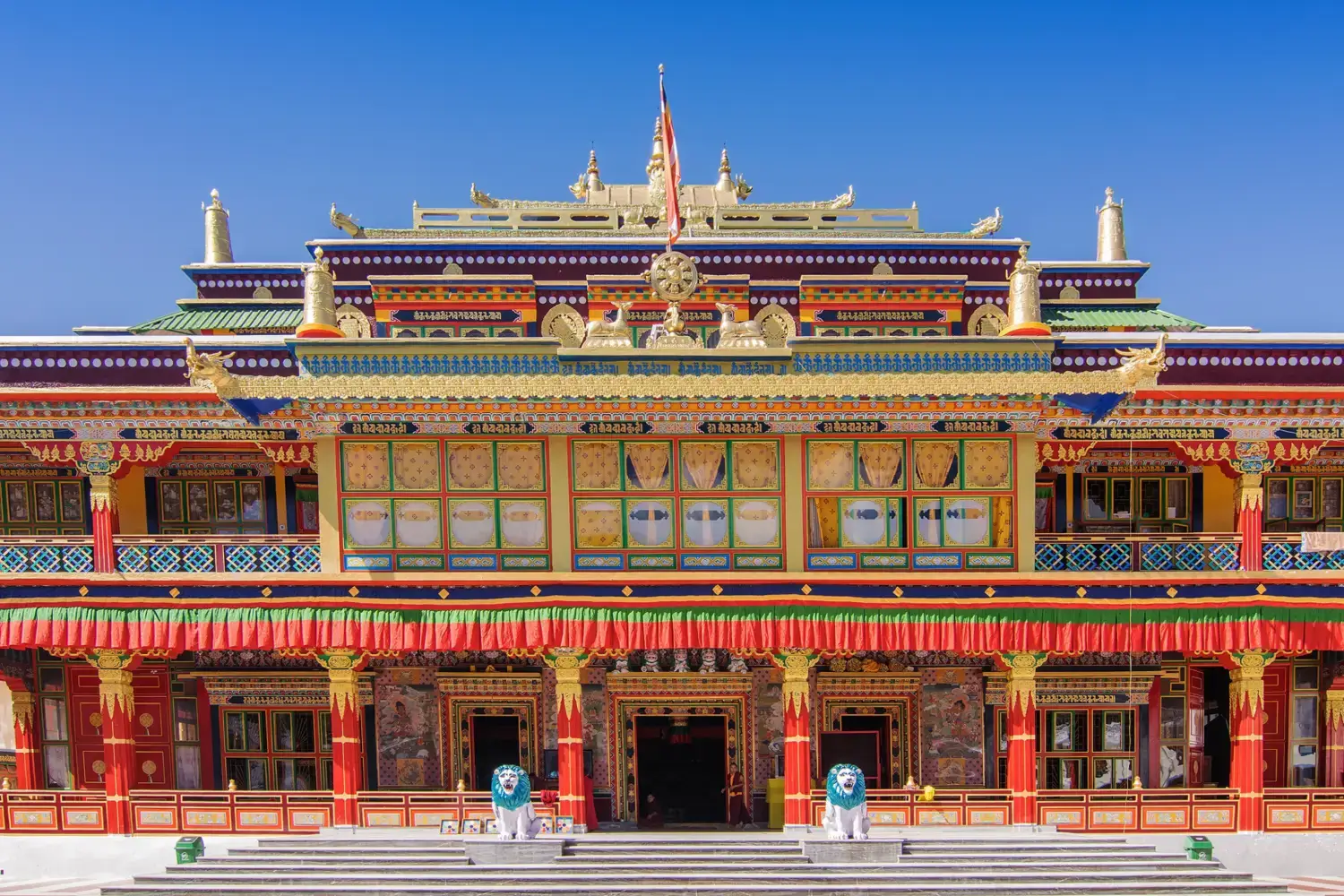
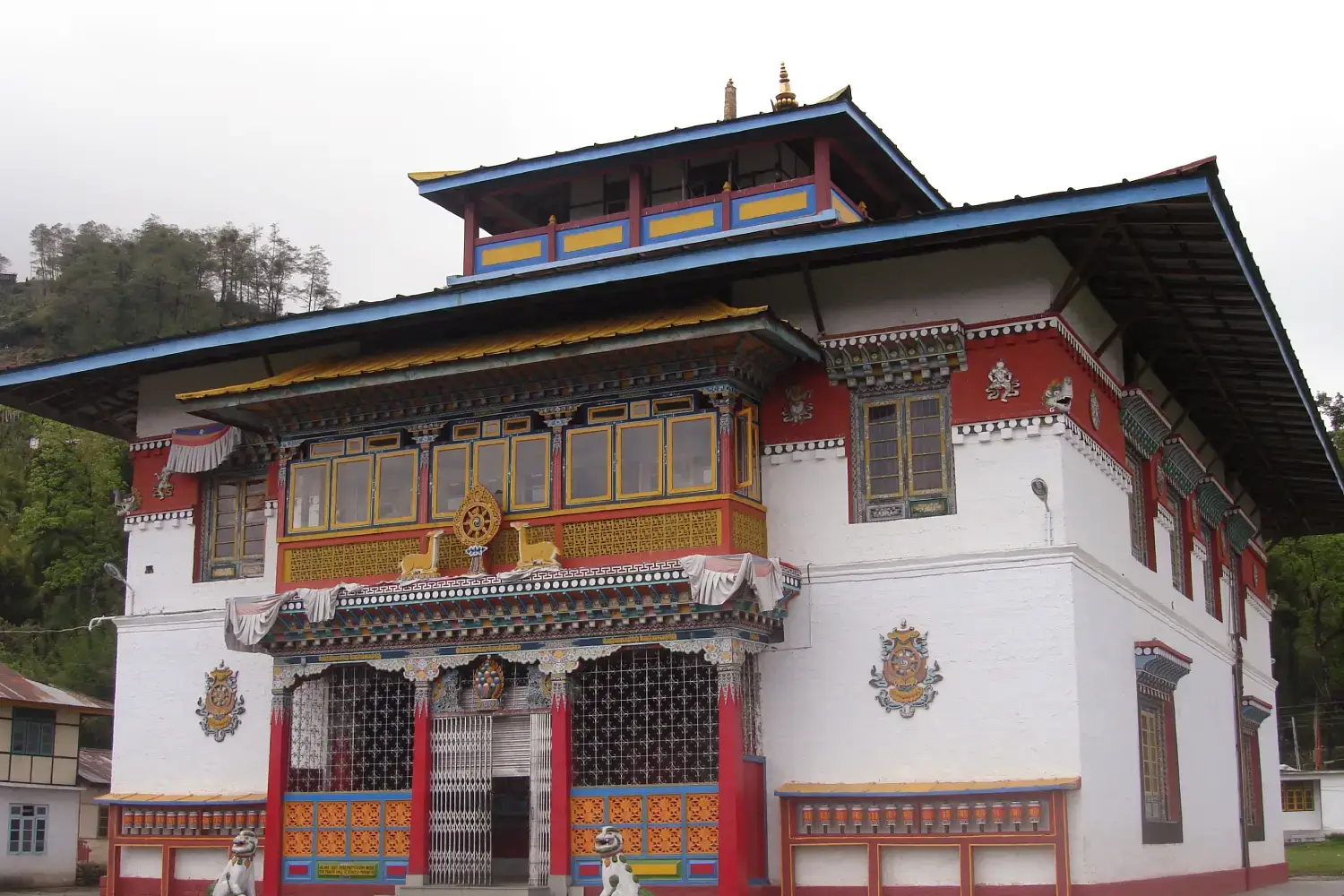
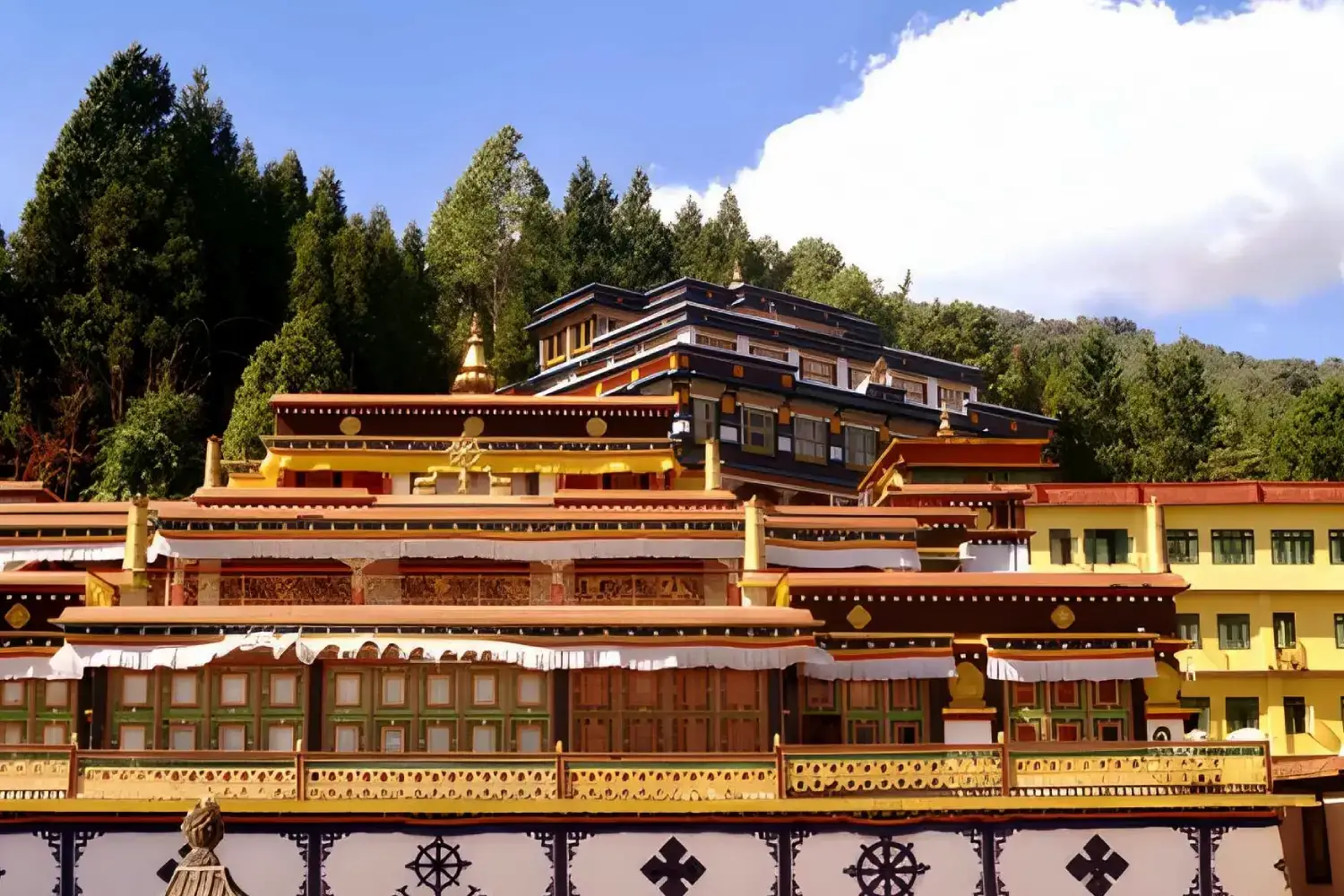
Rumtek Monastery is among the most popular Buddhist temples in Sikkim and serves as the principal seat of the Karma Kagyu lineage outside Tibet. Located about 24 km from Gangtok, the monastery stands on a hill overlooking forested valleys and distant Himalayan peaks.
The original monastery was established in the 16th century under the patronage of the 9th Karmapa. The present complex was rebuilt in the 1960s by the 16th Karmapa after his exile from Tibet, making Rumtek a significant centre of Tibetan Buddhism in India.
Architectural and Cultural Highlights
Rumtek is not just a tourist stop; it remains a functioning monastery with daily rituals, meditation sessions, and ceremonial gatherings. Visitors are allowed inside the main prayer hall during non-restricted hours and may observe chanting sessions in progress.
Best Time to Visit
The monastery is open year-round, though October to April offers clearer mountain views and comfortable weather. Major festivals such as Losar and Kagyu Monlam draw larger gatherings.
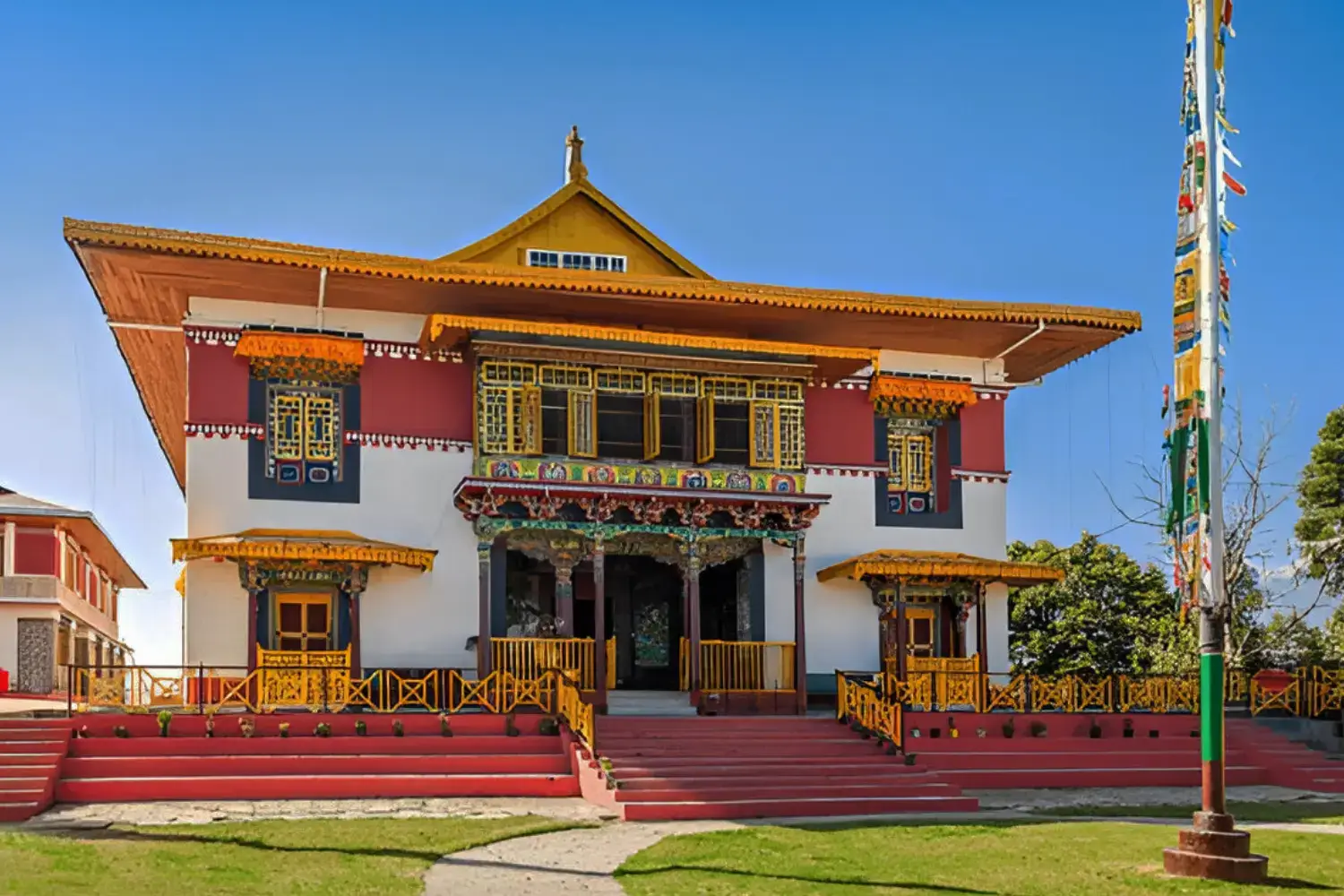
Pemayangtse Monastery is one of the oldest and most historically significant monasteries in Sikkim. Founded in 1705 by Lama Lhatsun Chempo, it played a central role in the religious history of the former Kingdom of Sikkim. Located near Pelling, this must-visit monastery in Sikkim offers panoramic views of the Kanchenjunga range on clear days, making it one of the most scenic monasteries in the state.
Key Features
Pemayangtse is closely associated with the Nyingma school of Tibetan Buddhism and historically served as the monastery for the royal family of Sikkim. The interiors preserve centuries-old artistic traditions and symbolic representations.
Travel Tip: Combine Pemayangtse with a visit to Rabdentse Ruins, the former capital of Sikkim, located a short walk away.
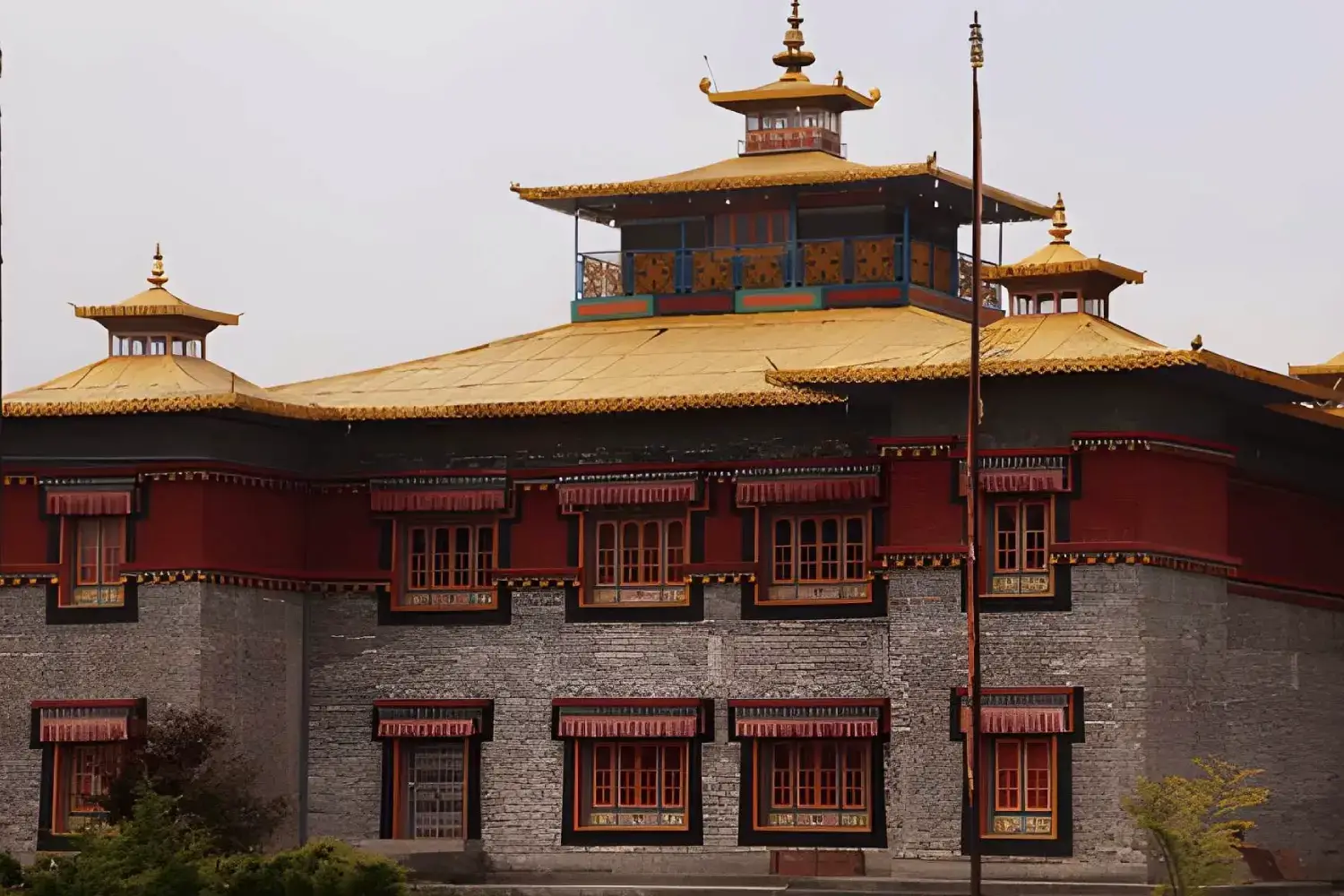
Tashiding Monastery occupies a spiritually significant hilltop between the Rathong and Rangit rivers. It is regarded as one of the holiest monasteries in Sikkim and is often included in pilgrimage circuits. Established in the 1600s, Tashiding is associated with Guru Padmasambhava and is believed by devotees to be a place of spiritual purification.
Notable Elements
The location itself contributes to its significance. Unlike larger monastery complexes, Tashiding maintains a quieter, more contemplative atmosphere. The setting, surrounded by forested ridges and river valleys, reinforces its reputation as a pilgrimage site.
Access Information
Reaching Tashiding involves a moderate uphill walk from the nearest motorable point. Visitors should plan accordingly, especially during monsoon months.
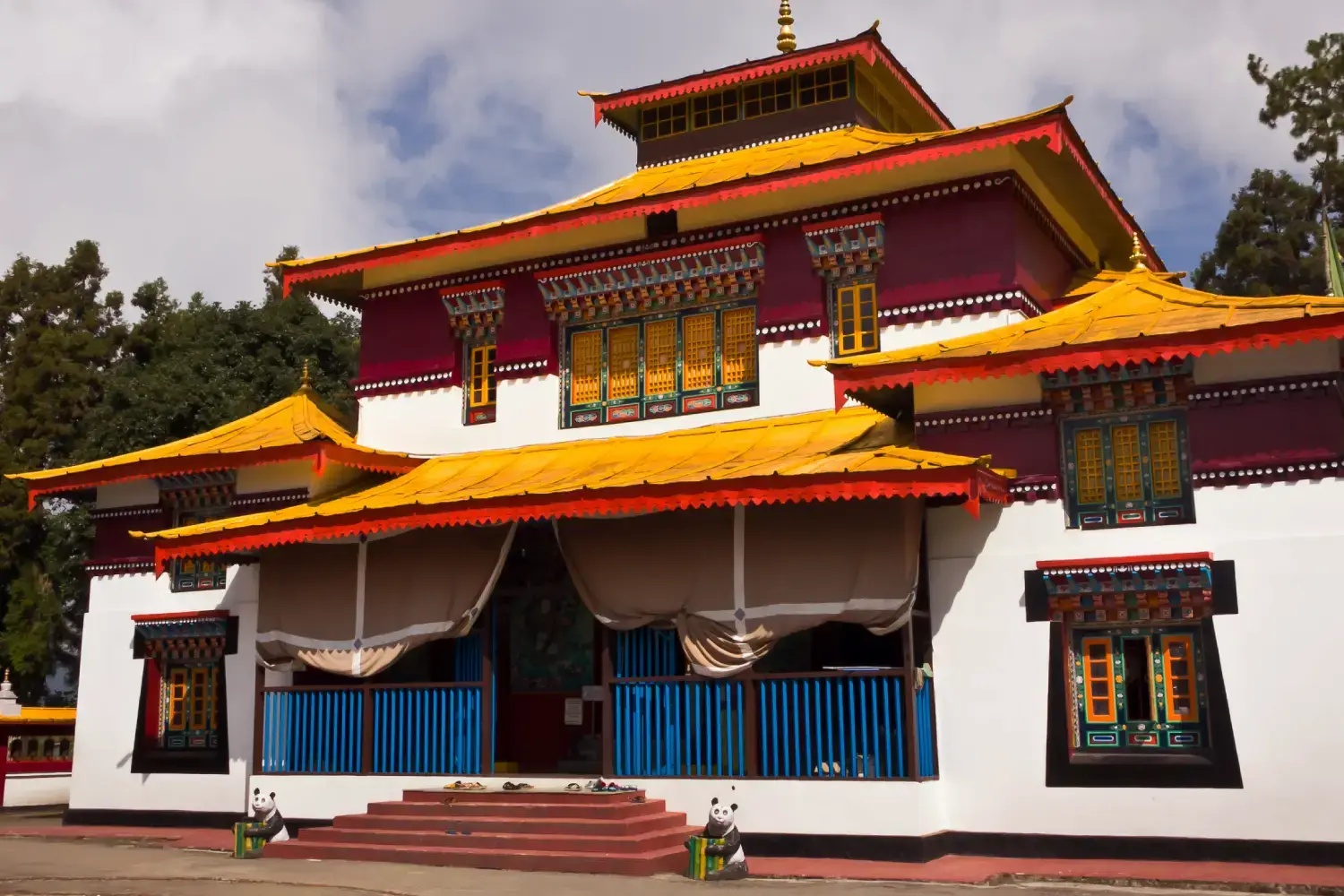
Enchey Monastery stands on a ridge above Gangtok and is among the most accessible Buddhist monasteries in Sikkim. The present structure was built in 1909, though the site is believed to have been blessed by Lama Druptob Karpo, a tantric master known for his spiritual influence in the region.
Despite its proximity to the capital city, Enchey maintains a quiet atmosphere. Its traditional Tibetan-style architecture, tiered roofs, and painted wooden window frames reflect classic Himalayan monastic design.
Key Features
Enchey is often included in a Sikkim monastery tour for visitors based in Gangtok, especially when combined with Rumtek and nearby viewpoints.
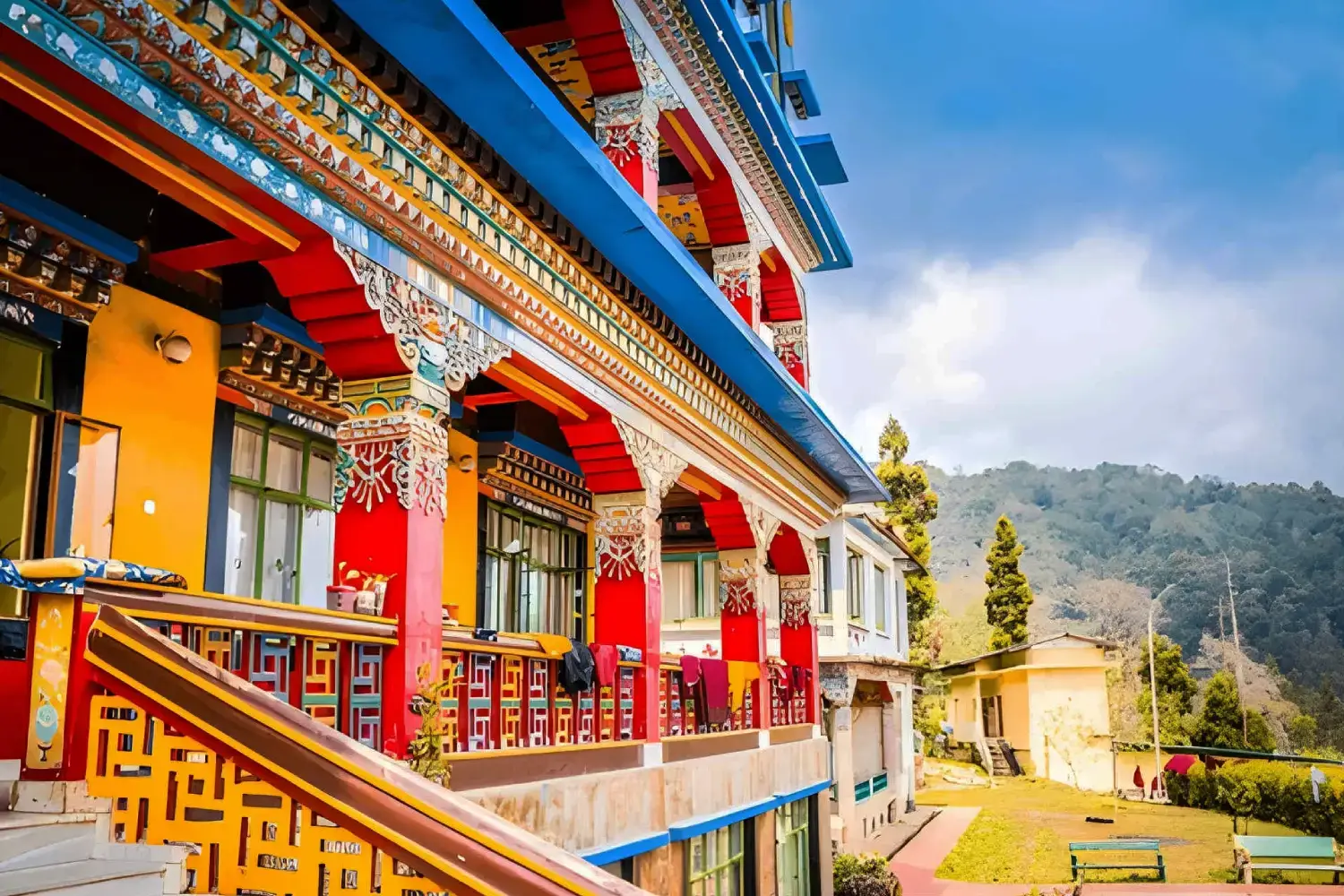
Ralang Monastery is one of the most significant Buddhist monasteries in South Sikkim and an important centre of the Karma Kagyu lineage. The monastery complex includes both the old Ralang Monastery and a newer, larger structure known for its detailed murals and expansive assembly hall.
The current complex houses resident monks engaged in study, ritual practice, and annual religious ceremonies.
Architectural and Cultural Highlights
Ralang’s location near Ravangla makes it suitable for travelers exploring South Sikkim monasteries and Buddha Park.
Travel Insight
Ralang is less crowded than monasteries near Gangtok and offers a more immersive monastic environment while remaining accessible by road.
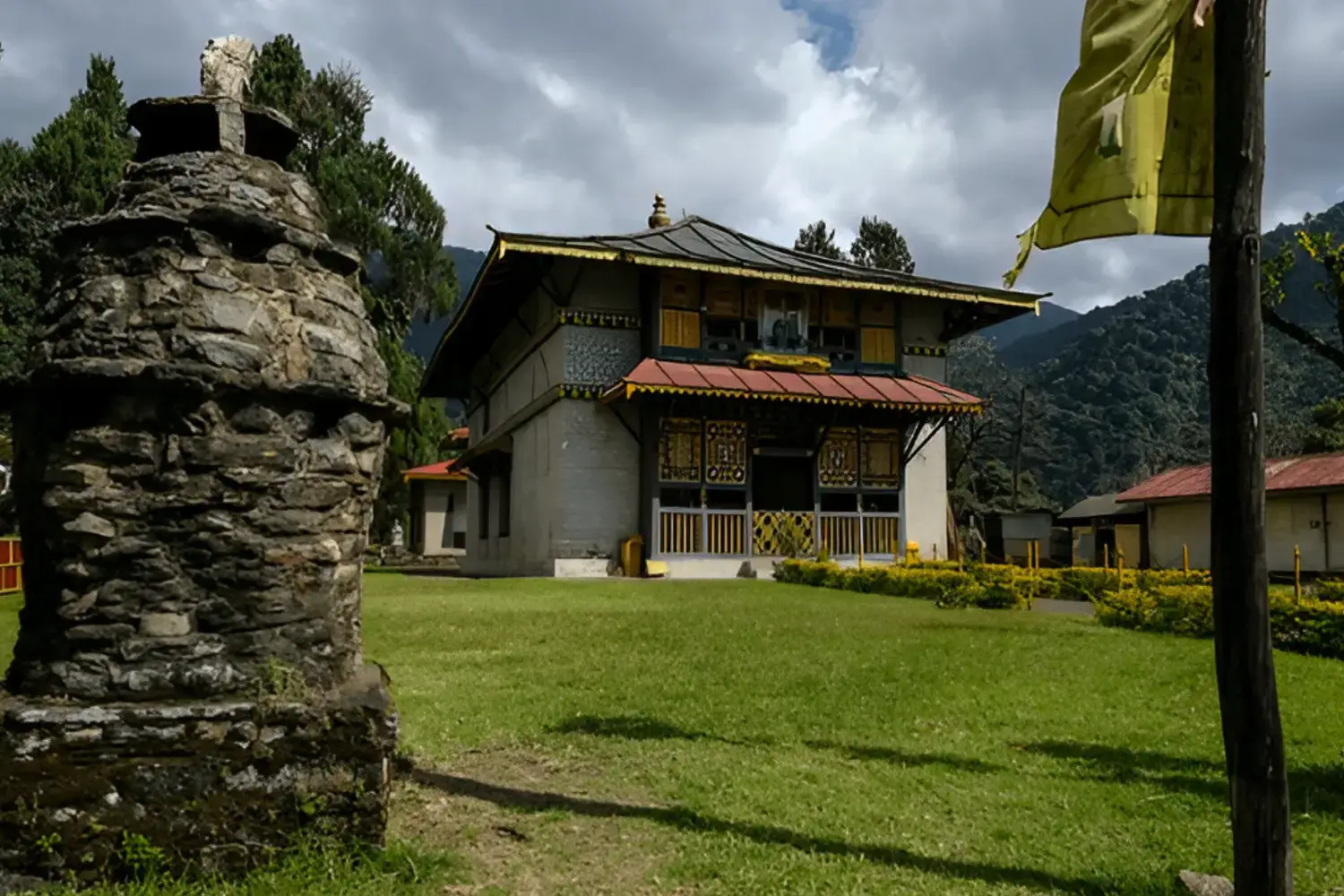
Dubdi Monastery, also known as Yuksom Monastery, is widely regarded as the oldest monastery in Sikkim. Established in 1701 by Chogyal Gyurmed Namgyal, it holds historic importance in the early formation of the Sikkimese kingdom. Located above Yuksom, the monastery requires a moderate uphill walk through forested trails, adding to its quiet and secluded character.
Historical Significance
Architectural Features
Dubdi is frequently included in the West Sikkim monastery circuit along with Pemayangtse and Tashiding. Its historical relevance makes it essential for travelers interested in the origins of Buddhism in Sikkim.
Access Note: The uphill path may require 20–30 minutes of walking. Visitors should wear comfortable footwear, especially during monsoon season.
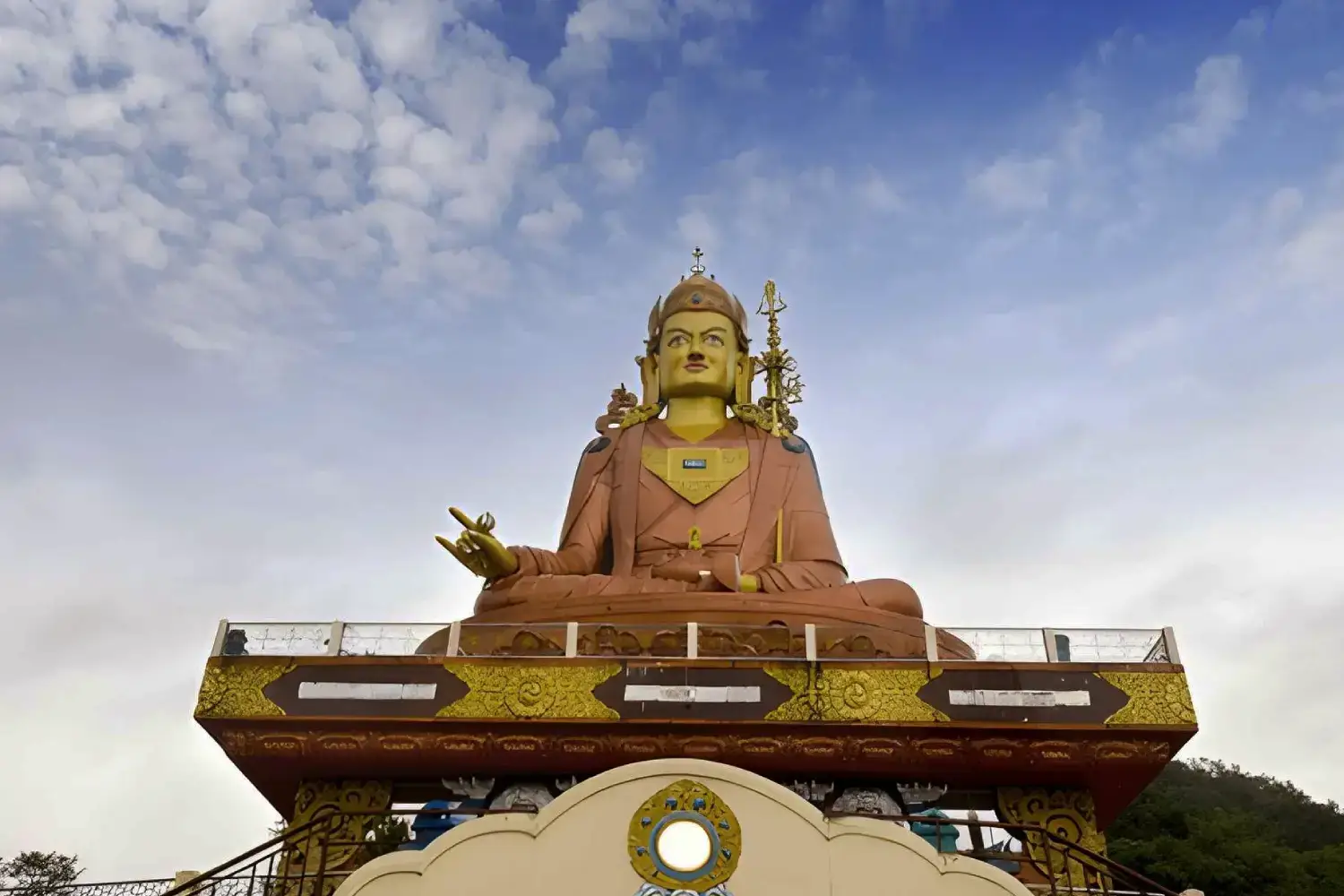
Namchi has emerged as one of the most visited Buddhist destinations in South Sikkim, primarily due to the 45-metre statue of Guru Padmasambhava (Guru Rinpoche) at Samdruptse Hill. While not a traditional monastery in the classical sense, the hilltop complex functions as an active Buddhist spiritual centre and pilgrimage site. The statue overlooks the town of Namchi and surrounding valleys, and the complex includes prayer halls, smaller shrines, and monastic spaces used during ceremonies and festivals.
Key Highlights
Namchi is often included in South Sikkim monastery tours along with Ralang and Ravangla.
Phodong Monastery is one of the six principal monasteries of Sikkim and remains an important centre within the Kagyu lineage. Established in the early 1700s, it continues to host resident monks and daily ritual practice. Positioned along the road toward North Sikkim’s high-altitude regions, Phodong is often visited en route to Lachung or Lachen.
Architectural Highlights
Its hillside setting offers wide valley views during clear weather.
Labrang Monastery remains one of the quieter monasteries in Sikkim, making it suitable for visitors seeking a less crowded spiritual site near Gangtok.Founded in the 19th century, it continues to function as a monastic institution with resident monks.
Why Visit
Labrang fits well into a monastery tour focused on East Sikkim.
Sanga Choeling Monastery stands on a forested hill above Pelling and ranks among the oldest monasteries in West Sikkim. Founded in the 1600s, it continues to preserve traditional Nyingma practices. The monastery requires a short uphill walk, which contributes to its relatively peaceful setting.
Key Features
Its elevated position provides expansive views across West Sikkim’s valleys.
Appreciating the monasteries of Sikkim requires understanding the rich symbolism embedded in every architectural element, ritual object, and artistic detail you encounter.
Prayer Wheels and Mantras
Prayer wheels appear everywhere throughout Buddhist monasteries in Sikkim, handheld cylinders carried by devotees, large wheels lining monastery perimeters, and even prayer wheels powered by water or wind. Each contains thousands of printed mantras, most commonly "Om Mani Padme Hum" (the mantra of Avalokiteshvara, the bodhisattva of compassion).
Spinning the wheel clockwise activates these mantras, sending prayers into the universe and accumulating merit for the spinner and all beings. The practice allows illiterate devotees to "recite" thousands of mantras with each revolution. Always spin clockwise, following the sun's movement, counterclockwise rotation is considered inauspicious and potentially harmful.
Butter Lamps and Light Offerings
The countless butter lamps flickering throughout monastery shrines serve multiple purposes in Buddhist practice. Practically, they provide light in dimly lit halls. Symbolically, they represent the dispelling of ignorance through wisdom's light, just as a lamp illuminates’ darkness, Buddha's teachings illuminate the darkness of confusion and suffering.
Devotionally, lighting lamps accumulates merit and dedicates positive energy toward enlightenment for oneself and all beings. Traditional lamps burn clarified butter (ghee), though modern monasteries often use vegetable oil or electric lights, maintaining the symbolic meaning.
Prayer Flags and Wind Horses
The colorful prayer flags strung across mountain passes, monastery courtyards, and hillsides aren't mere decoration but active spiritual tools. Each flag's color represents an element: blue (sky/space), white (air/wind), red (fire), green (water), and yellow (earth). Printed with mantras, prayers, and images of wind horses (carrying prayers), the flags release blessings as wind passes through them.
Unlike Western flags meant to last forever, prayer flags are intended to fade and fray, the gradual deterioration symbolizes life's impermanence while the released threads carry prayers across the world. New flags are typically hung during auspicious times like Losar (Tibetan New Year) or significant monastery festivals. The tradition beautifully captures Buddhism's emphasis on impermanence and the interconnection of all beings.
Monastery Architecture and Mandala Principles
Many monastery layouts follow mandala principles, geometric designs representing the universe and serving as meditation tools. The central shrine room often represents the mandala's center where the deity resides, with surrounding structures and pathways creating the mandala's protective circles.
Walking these paths becomes moving meditation, a journey from the mundane outer world toward the enlightened center. Notice how monasteries position themselves, often on hillsides or mountaintops, oriented toward sacred peaks like Kanchenjunga, with water sources nearby (representing purification).
The architecture itself teaches Buddhist principles: rising levels represent stages of spiritual development, doorways mark transitions from mundane to sacred space, and courtyard openness symbolizes the vast sky-like nature of mind.
The Buddhist monasteries of Sikkim continue to function as living centres of faith, education, and meditation across the Himalayas. Historic gompas such as Dubdi and Pemayangtse stand alongside major institutions like Rumtek and Ralang, each reflecting a distinct layer of Sikkim’s Buddhist heritage.
For travelers drawn to mountain landscapes combined with cultural depth and spiritual atmosphere, exploring the monasteries of Sikkim offers one of the most rewarding experiences in Northeast India.
Here are quick links to explore the Sikkim Tours Online website and find important information about Sikkim travel, tourism, and holiday packages.