Sikkim Tours Online
Sikkim Tours Online
Sikkim Tours Online
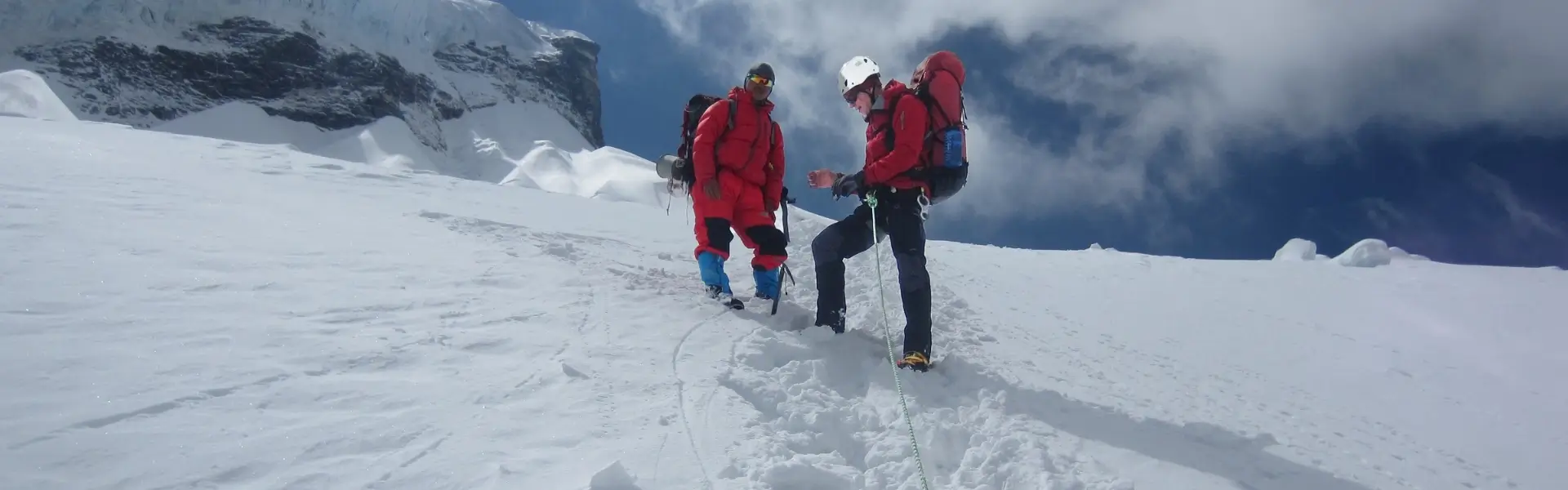
Trekking in Sikkim
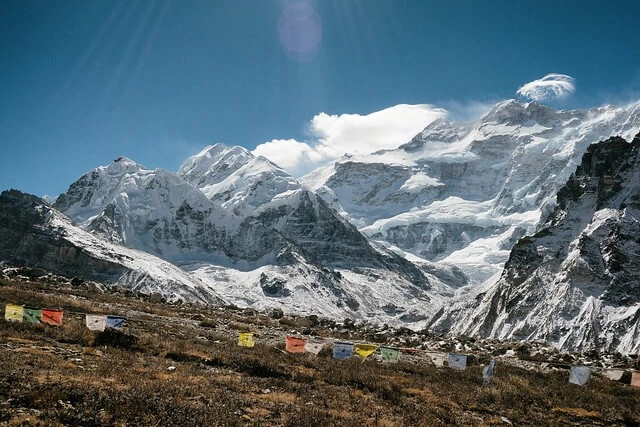
Nestled in the lap of the Eastern Himalayas, Sikkim offers a trekking experience that is unparalleled, where every trail brings you closer to the untouched and unperturbed Himalayan landscape. Many trails take you through forests bursting with rhododendron blooms, windswept alpine meadows, and high mountain passes such as Goecha La (4,940 m) and Kasturi La (4,500 m). This Eastern Himalayan state has several treks in North and West Sikkim, where one can witness majestic views of Mount Khangchendzonga, the world’s third-highest peak at 8,586 meters.
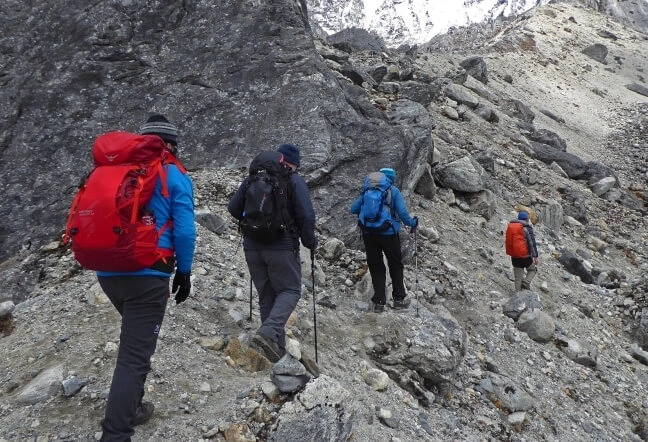
Trekking in Sikkim spans altitudes from 1,800 to 5,000 meters, offering something for both beginners and seasoned trekkers. The legendary Goecha La Trek takes you through the high-altitude pass at 4,940 meters and reveals breathtaking views of peaks like Pandim (6,691 m), Kabru (7,412 m), and Talung (7,349 m), alongside the towering Khangchendzonga itself. If you’re short on time but still crave high-altitude adventure, the Dzongri Trek delivers in spades. Following part of the Goecha La route, the trekking trail reaches 4,030 meters, weaving through lush rhododendron forests and dramatic ridgelines. At Dzongri Top, the first light of dawn paints the snow-clad peaks in shades of gold and rose, a sunrise that lingers in memory long after the trek ends.
The Green Lake Trek is often considered one of the best treks in Sikkim. Beginning in the quaint village of Lachen (2,700 m), it winds through remote camps like Tallem, Jakthang, and Yabuk before reaching the Zemu Glacier, lying beneath the imposing northeast face of Khangchendzonga. Trekking in Sikkim also offers a chance to experience the rich cultural tapestry woven into the very trails you walk. You’ll pass through charming Bhutia and Lepcha villages such as Tshoka, Yuksom, and Bakhim, where prayer flags flutter in the breeze and life flows to the rhythms of the mountains. Along the way, you may step into centuries-old monasteries like Dubdi (built in 1701), Tashiding, and Tholung, each a quiet sanctuary offering a glimpse into the region’s deep spiritual soul. In Sikkim, every trek offers an immersion into nature’s grandeur, culture’s warmth, and the serene magic of the Himalayas.
Trekking in Sikkim is a dream for those craving an adventure in the Himalayas. From beginner-friendly trails like the Barsey Rhododendron Sanctuary, bursting with spring blooms, to the grueling Goecha La Trek with its breathtaking views of towering peaks, Sikkim offers something for trekkers of all levels.
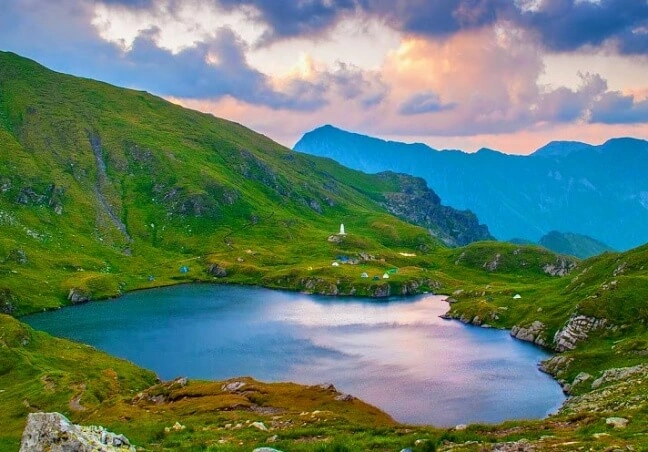
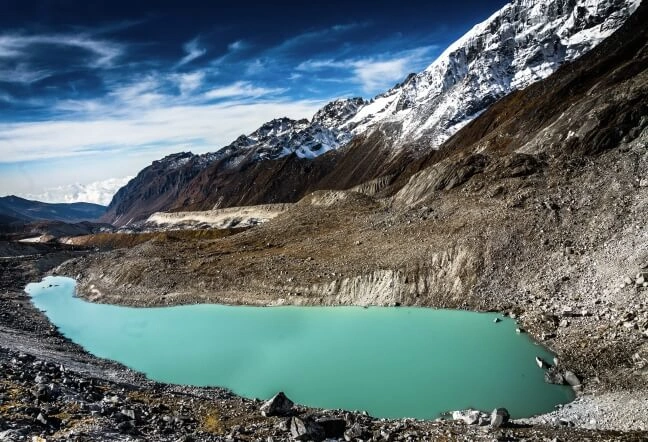
The landscape here is a striking mix of forested trails, open highlands, and alpine mountain lakes. Treks such as the Gurudongmar Lake Trek, Green Lake Trek, and Dzongri–Goecha La Trek lead you through thick oak and bamboo forests, across high ridges, and into remote alpine zones. Along the way, you’ll encounter stunning high-altitude lakes like Gurudongmar, Samiti, and Green Lake.
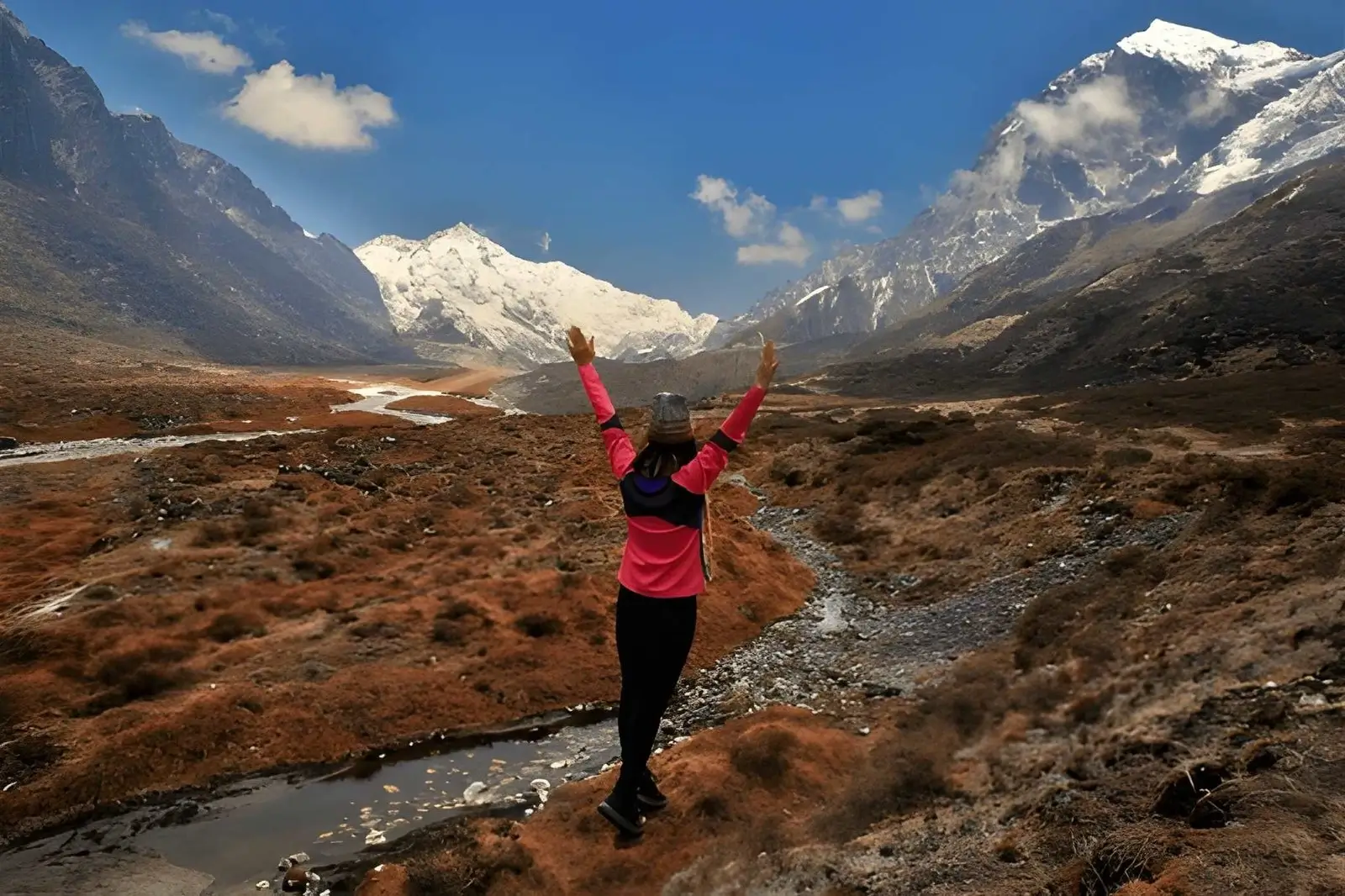
A trek in Sikkim offers a deeper sense of connection with nature, people, and culture. As you move through its changing landscapes, you’ll come across quiet forest trails, dramatic alpine zones, and age-old spiritual landmarks. Here’s what one can experience during their trekking tour in Sikkim.
Many trekking trails in Sikkim lead through sacred Buddhist landscapes where monasteries like Dubdi and Tashiding are not just historic monuments but functioning spiritual centers.
Nestled in the forests, often hidden along remote ridgelines, these quiet sacred sites in Sikkim allow trekkers to witness monks in prayer, hear the rhythmic sound of gongs, and observe rituals integral to Nyingma Tibetan Buddhism, a tradition deeply rooted in the region’s spiritual fabric.
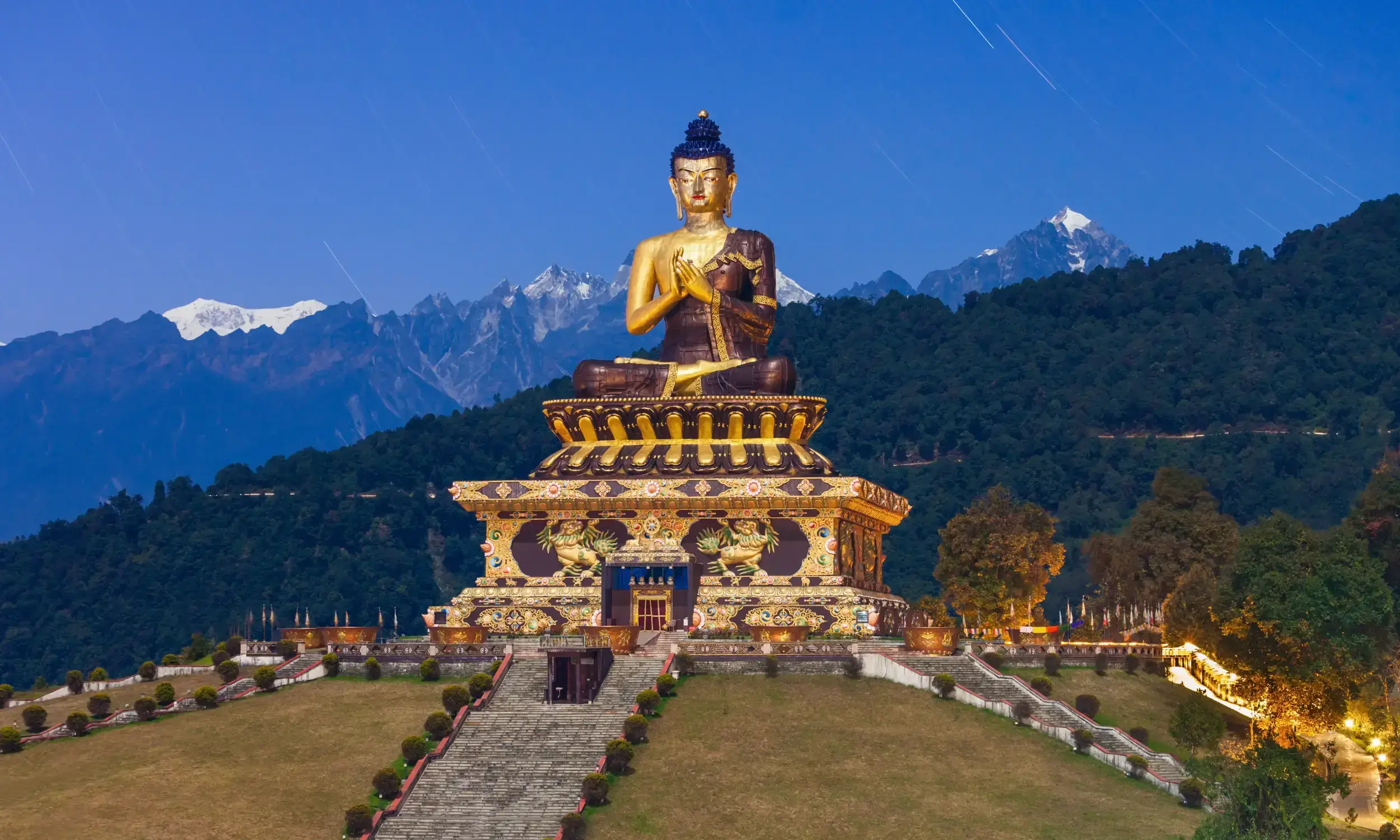
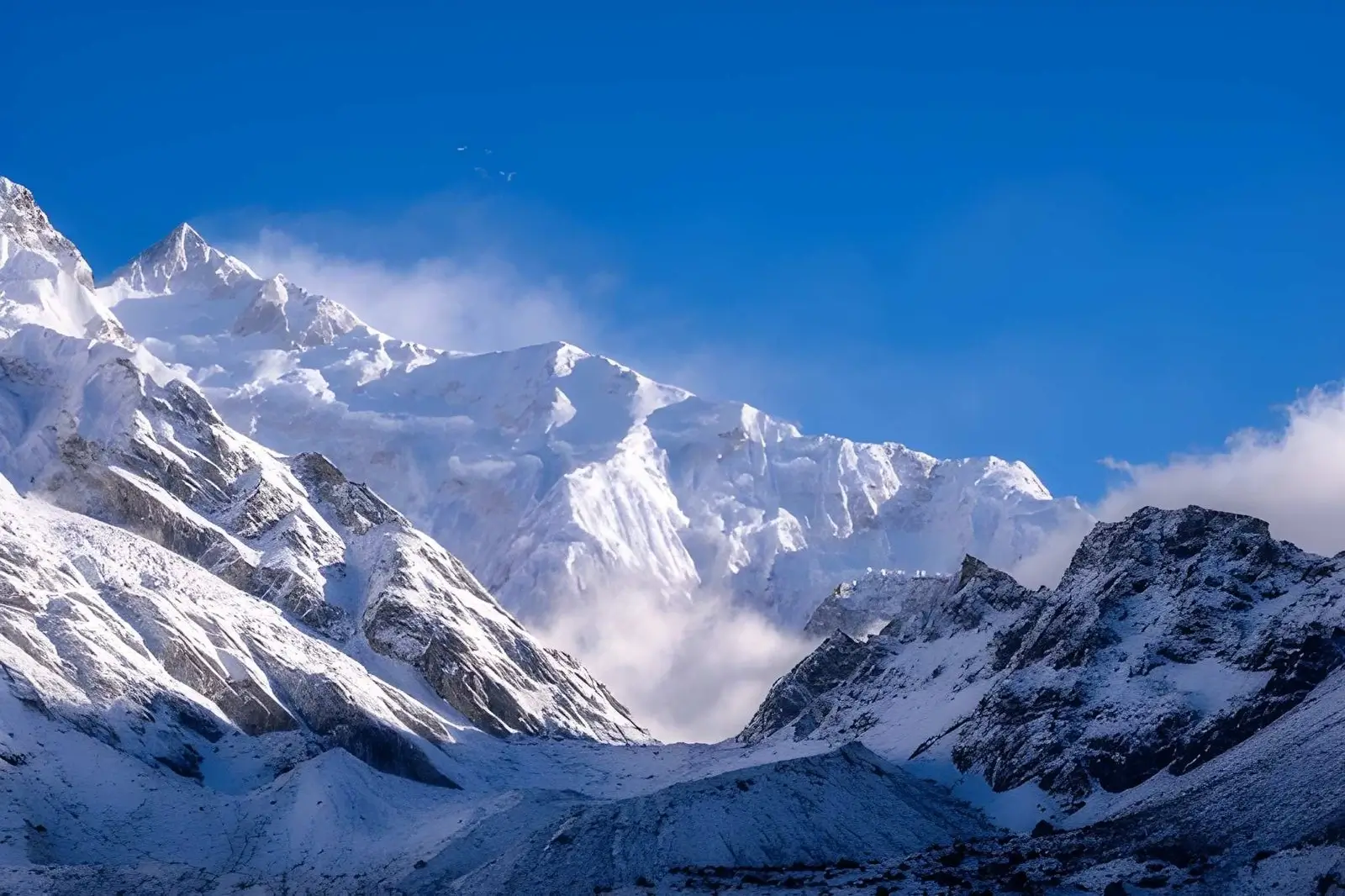
North Sikkim is a beauteous realm that features the iconic Himalayas as well as serving a rich cultural tapestry. Moreover, North Sikkim which is now called ‘Mangan District’ (renamed dated back in 2021 by the government) further adds to the charm of Sikkim.
As it is the largest district in Sikkim in terms of area, making it a home and a tranquil expanse for travellers from around the globe. Some of the famous towns like Lachung, Chungthan, Lachen, Singhik and Thangu Valley enhances the charm of the district by their utter beauty and rich biodiversity.
Sikkim’s protected zones, including Khangchendzonga National Park and Barsey Rhododendron Sanctuary, are treasure troves of biodiversity. The state shelters remarkable wildlife such as the red panda, Himalayan black bear, and the elusive snow leopard. Birdwatchers will find over 550 species of endemic birds here, including the striking Satyr Tragopan and the vibrant Blood Pheasant, both commonly sighted along trekking routes.
In spring, alpine trails transform into vibrant corridors of medicinal blooms. Forested paths come alive with Himalayan herbs like Yarsagumba, Nilo Bikh, and Rhododendron arboreum, plants that hold immense value in the Sowa-Rigpa system of traditional healing.
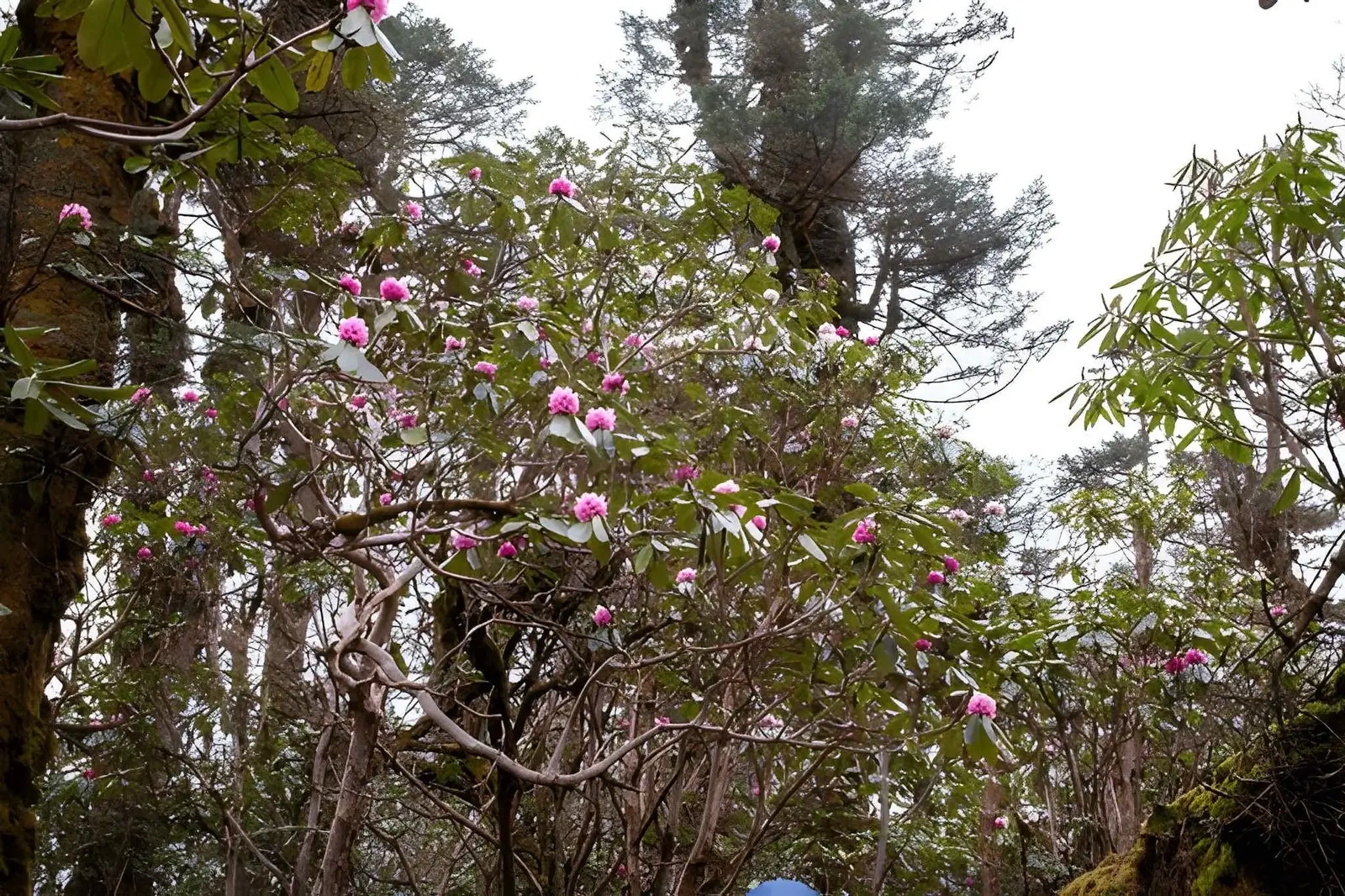
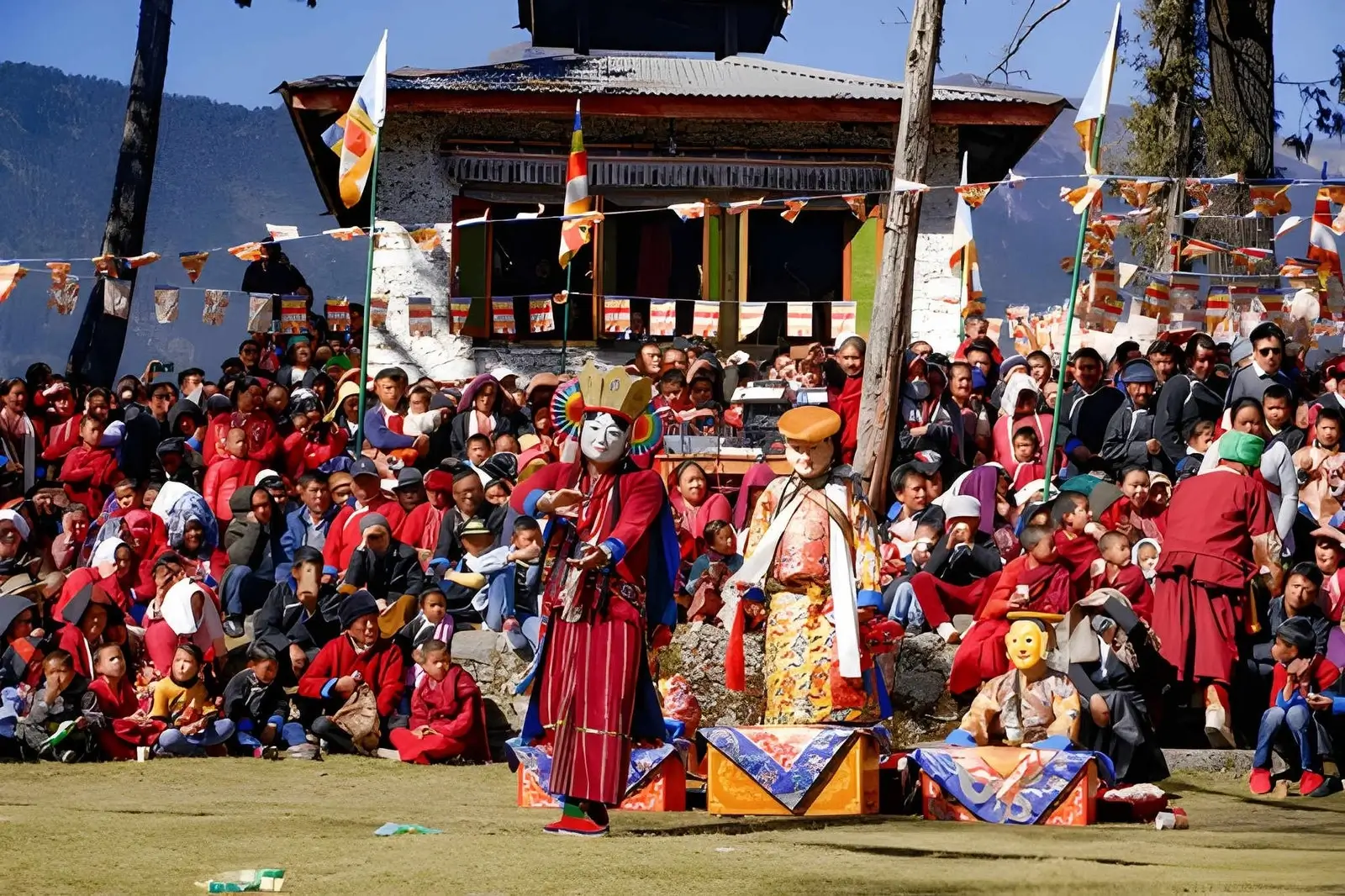
Treks in Sikkim often lead through villages inhabited by Lepchas, Bhutias, and Limbus, each with their distinct languages, folklore, and religious beliefs that reflect the state’s vibrant cultural tapestry.
Staying in a village is like entering into a world to witness the rhythms of daily life, from shared meals to evening stories told by the hearth.
The best time for trekking in Sikkim is during the spring and autumn seasons. Spring from March to May is known for blooming rhododendrons and lush greenery, especially on routes like the Barsey Rhododendron Sanctuary Trek. Autumn from late September to November is the peak season for trekking in Sikkim, particularly for high-altitude trails such as the Dzongri-Goecha La Trek, when panoramic views of Mount Kanchenjunga are at their best. For those looking to explore the winter trekking in Sikkim, areas like Lachen, Yumthang Valley, and Thangu offer peaceful, snow-covered landscapes from December to February, though accessibility can be limited. The monsoon season from June to early September is generally not recommended due to slippery trails and the risk of landslides.
Here are quick links to explore the Sikkim Tours Online website and find important information about Sikkim travel, tourism, and holiday packages.