 Sikkim Tours Online
Goechala Trek
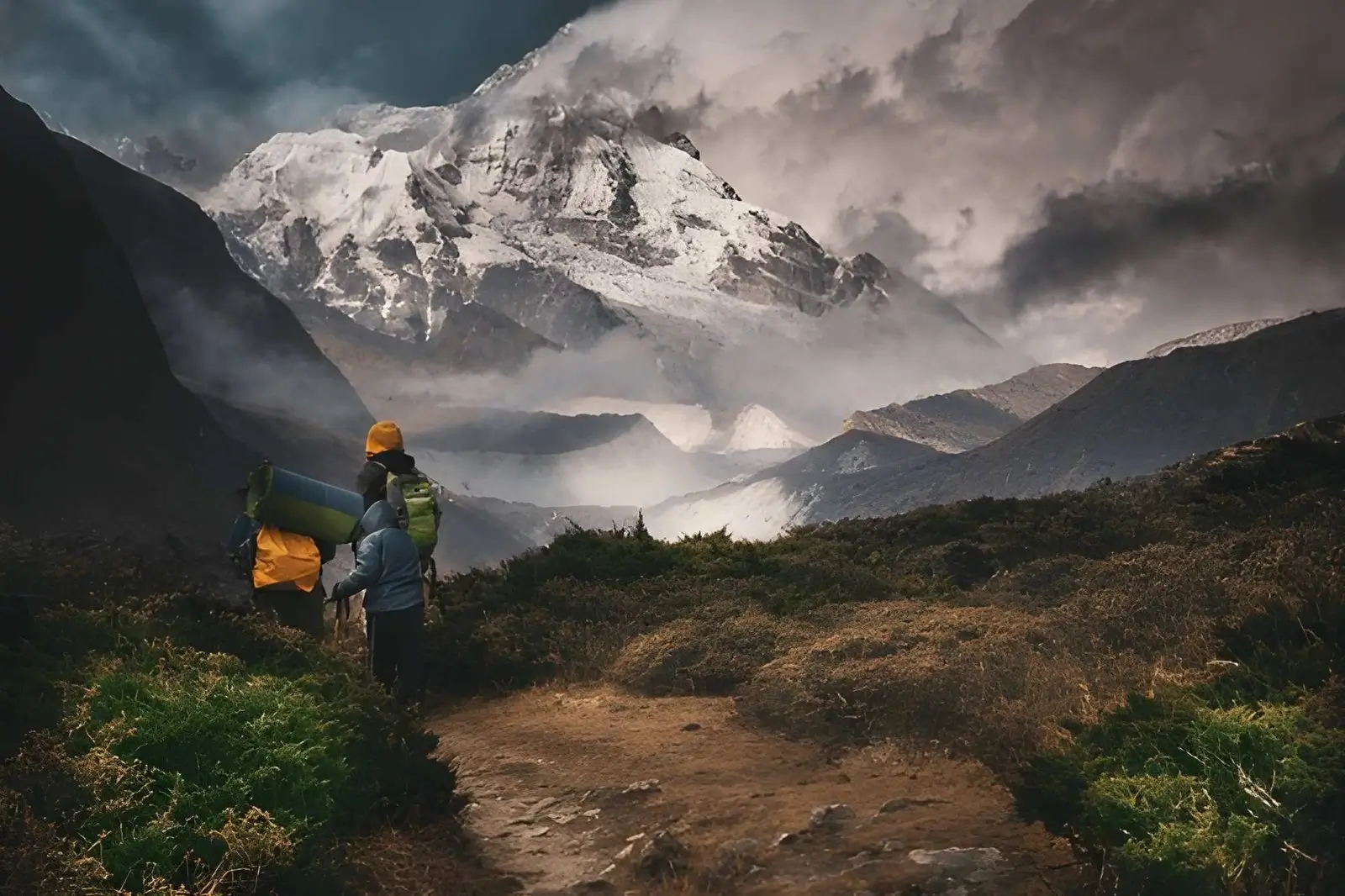
The Goechala Trek in Sikkim is one of India’s most rewarding high-altitude Himalayan treks, known for its close views of Mount Kanchenjunga and diverse alpine landscapes. The trek begins at Yuksom, the historical capital of Sikkim, and gradually ascends through dense subtropical forests, alpine meadows, glacial valleys, and high-altitude camps. The trail passes through key camps such as Sachen, Tshokha, Dzongri, Thansing, Kokchhurung, and Lamuney before reaching Goechala View Point 1.
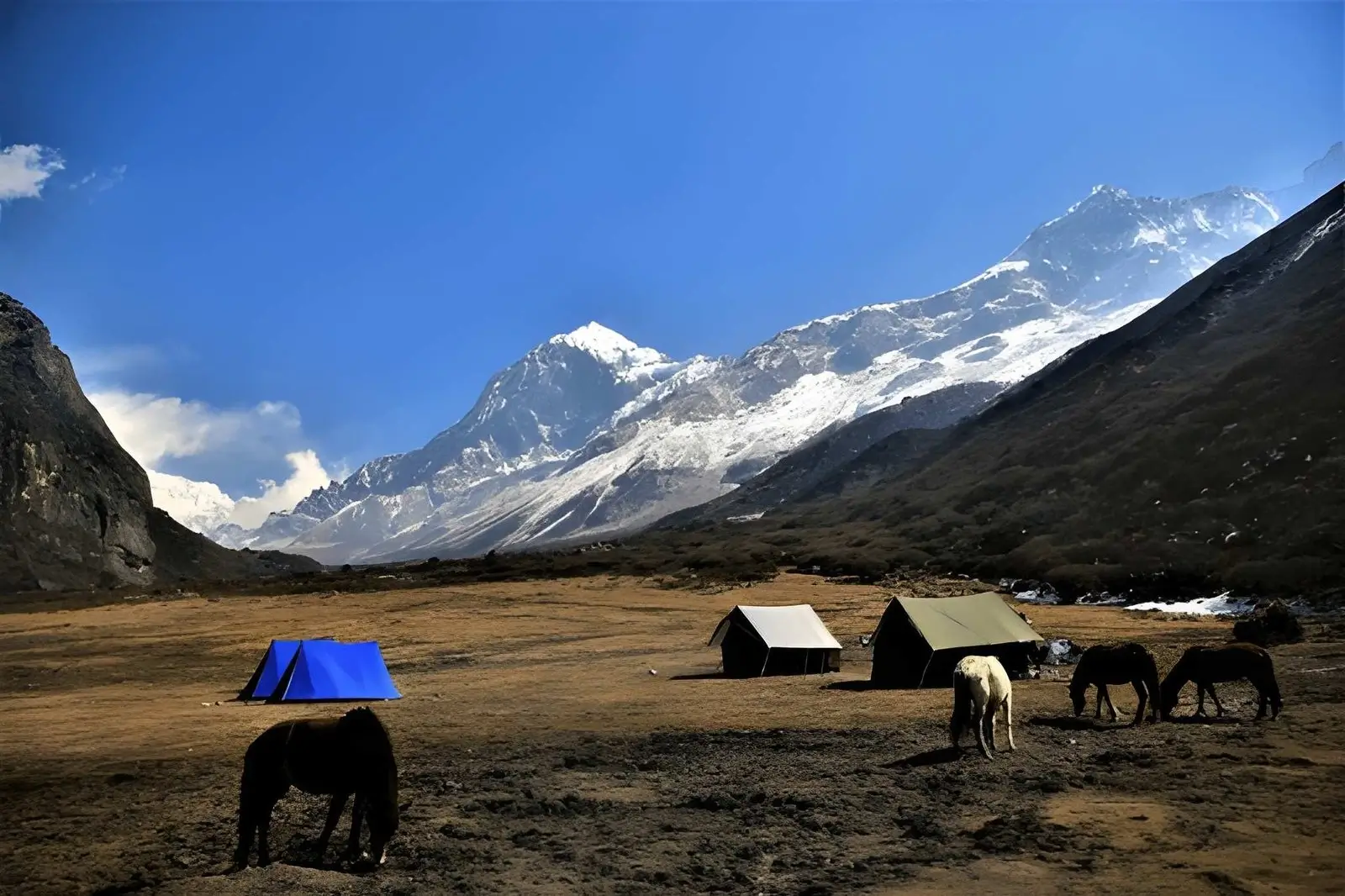
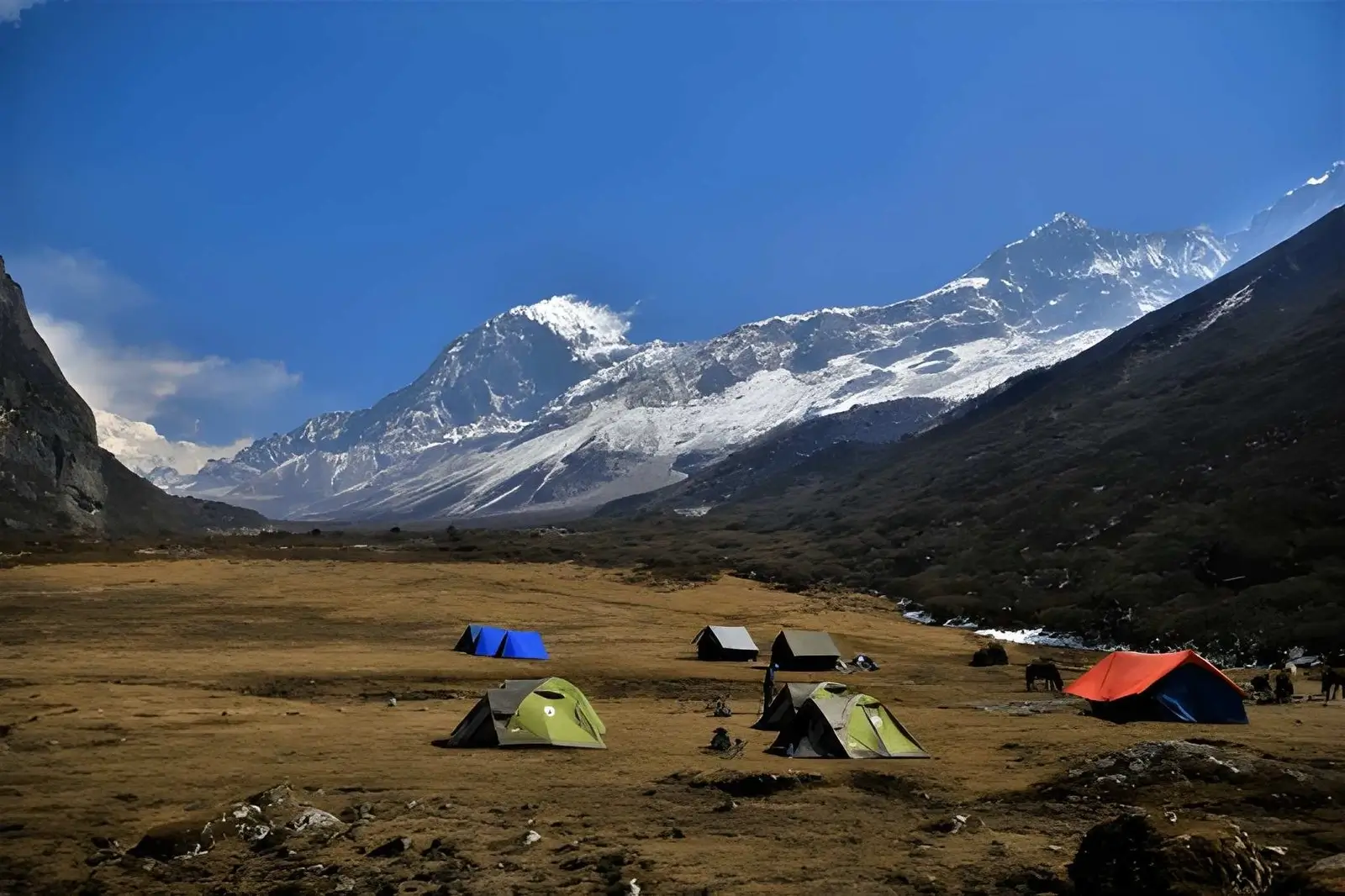
Trekkers are restricted from proceeding beyond this point due to environmental regulations. The route offers sustained altitude gain, multiple long trekking days, and demanding terrain, making it suitable for trekkers with good physical conditioning. Accommodation is primarily in tents, with basic guesthouses at lower altitudes. The trek is conducted under strict forest regulations, requiring permits and registered trekking operators.
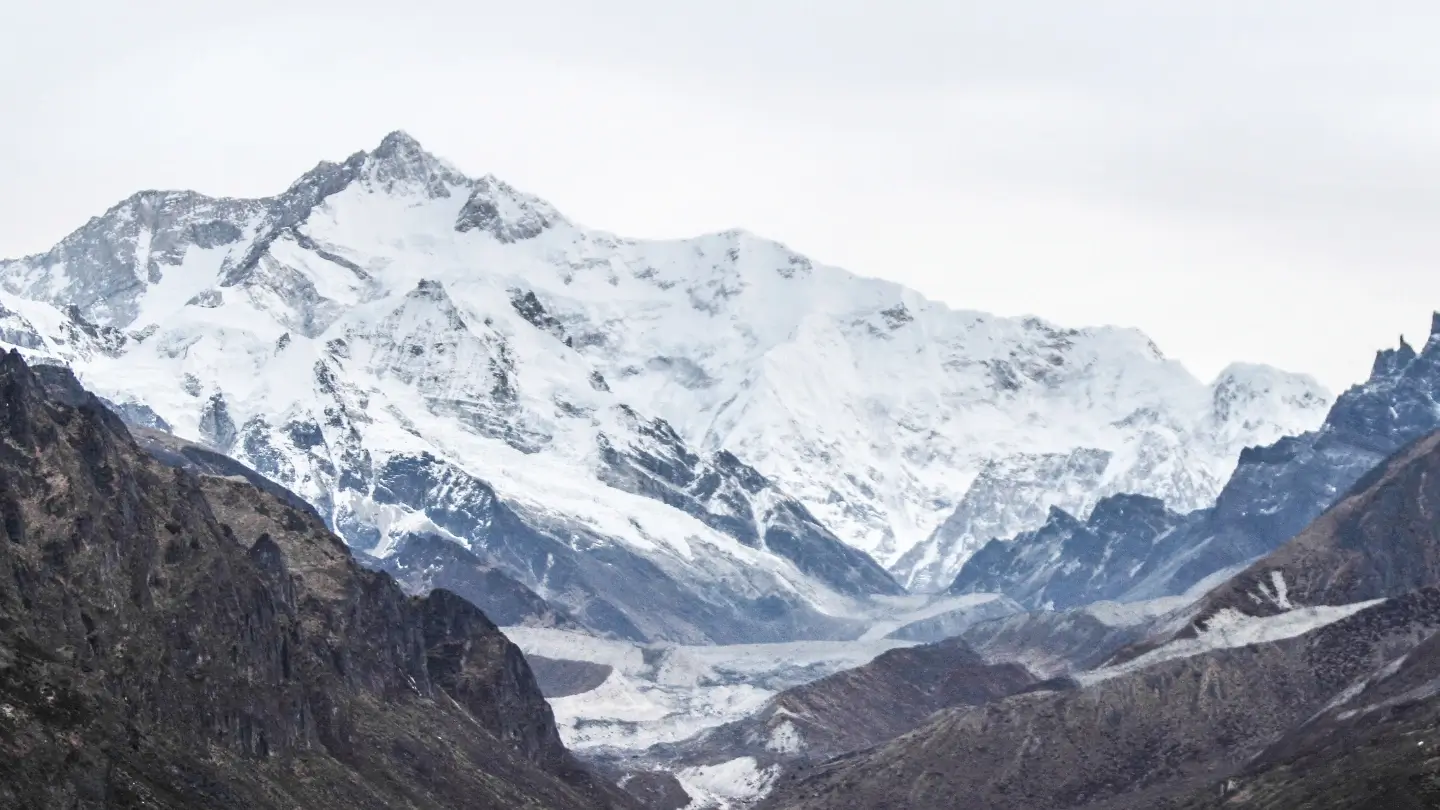
The Goechala Trek is regarded as one of the most significant high-altitude treks in India due to its direct access to the eastern face of Mount Kanchenjunga, the world’s third-highest mountain. Unlike many Himalayan treks that offer distant or partial views, this route provides a close and sustained visual experience of the Kanchenjunga massif, especially from Goechala View Point.
1. Location and Accessibility
The Goechala Trek is situated in West Sikkim and begins from Yuksom, a historic town that served as the first capital of the Kingdom of Sikkim. Unlike several Himalayan treks that require extended travel through remote regions, Yuksom is relatively accessible.
Trekkers can reach Yuksom by road from Gangtok or Siliguri, making it convenient for both domestic and international travelers. This balance between accessibility and remoteness enhances the appeal of the trek, offering a genuine Himalayan experience without extreme logistical complexity.
2. Unmatched Views of Mount Kanchenjunga
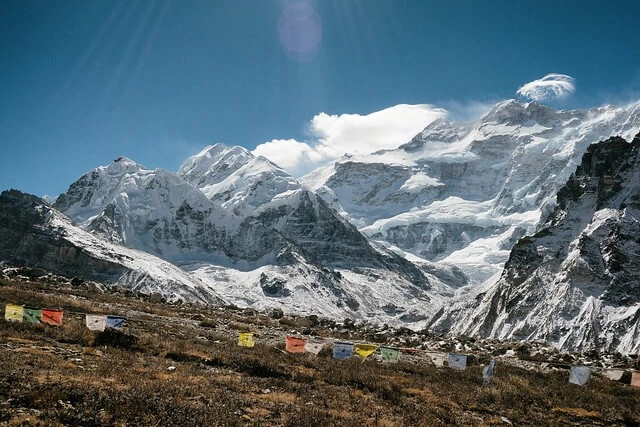
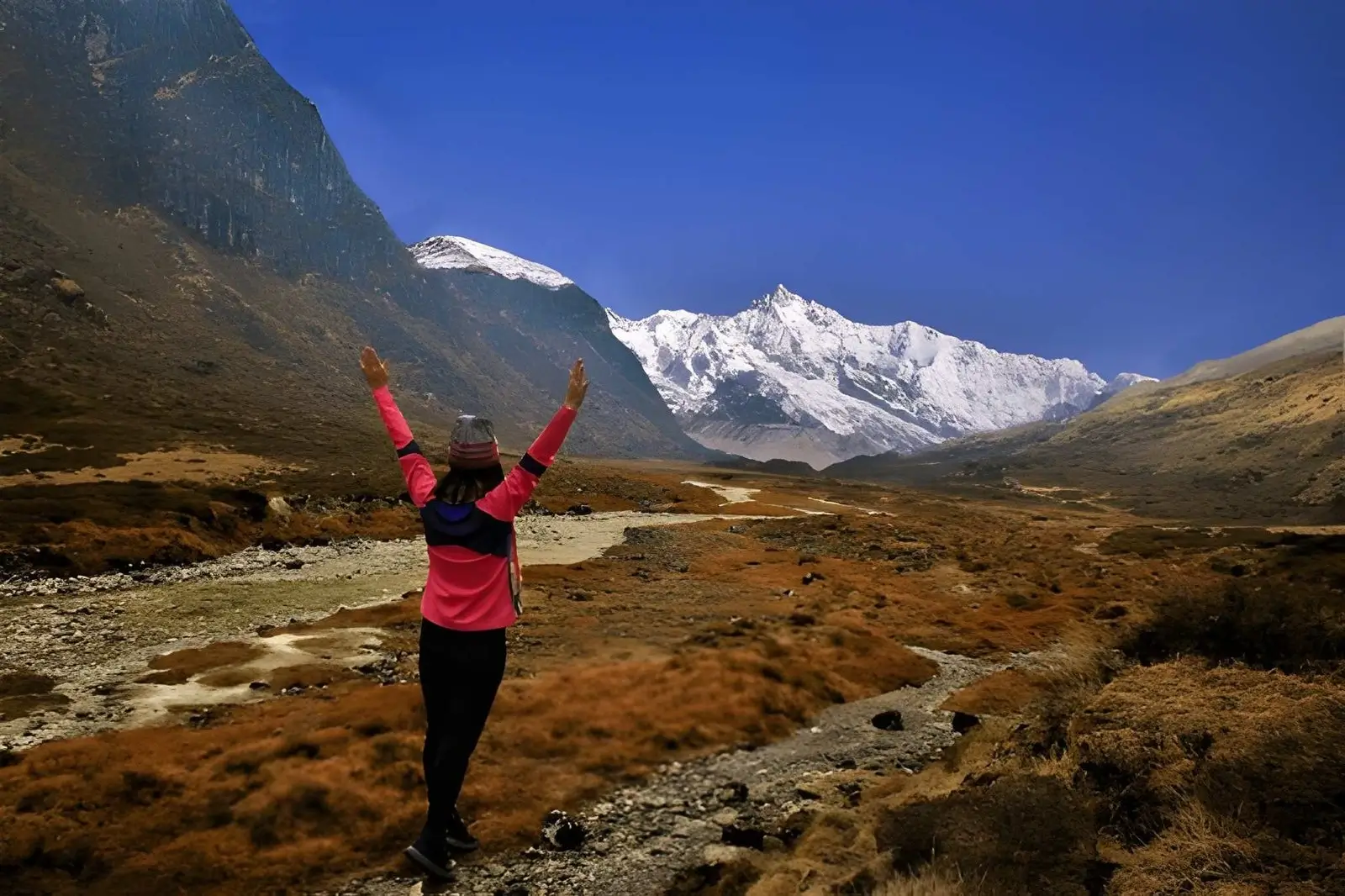
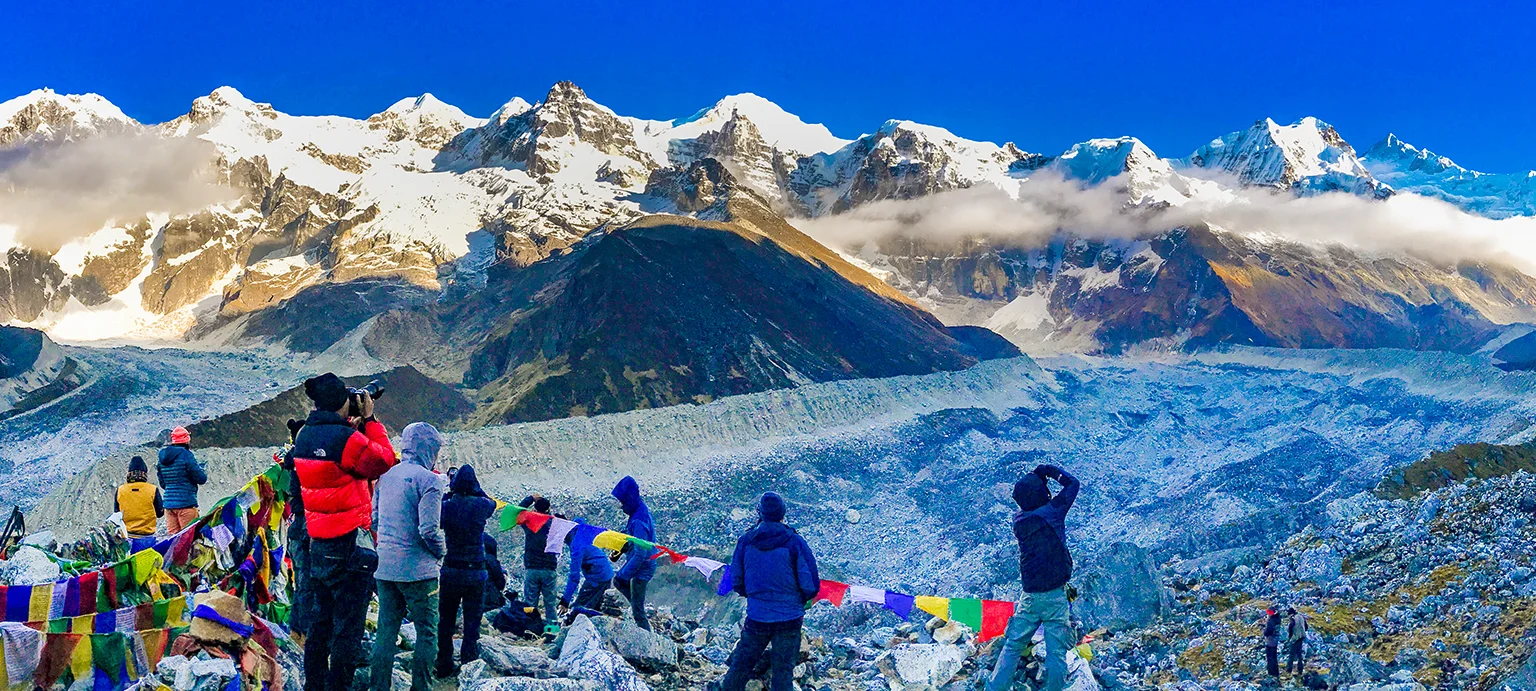
One of the defining features of the Goechala Trek is its exceptional view of Mount Kanchenjunga (8,586 meters). The Goechala View Point provides a rare close-range perspective of the Kanchenjunga massif, along with peaks such as Pandim, Kabru North and South, and Simvo.
The sunrise view from the Goechala View Point, where the first light illuminates the snow-covered peaks, is widely regarded as one of the most spectacular sights in the Indian Himalayas. This visual experience alone places Goechala among the most sought-after treks in Sikkim. This close proximity to the Kanchenjunga massif is what sets the Goechala Trek apart from most other Himalayan treks in India.
3. Diverse Landscapes Along the Route
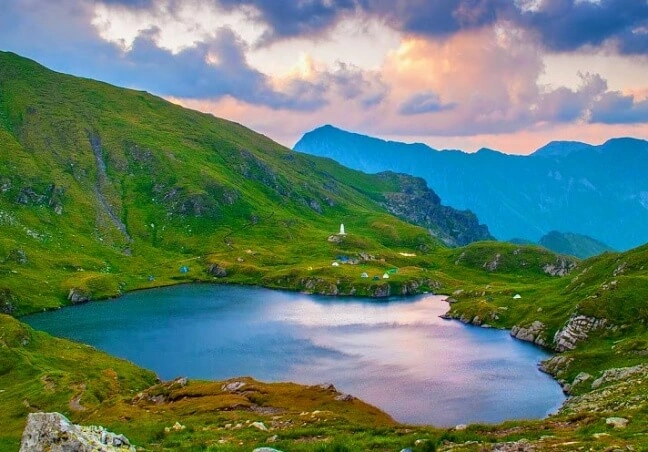
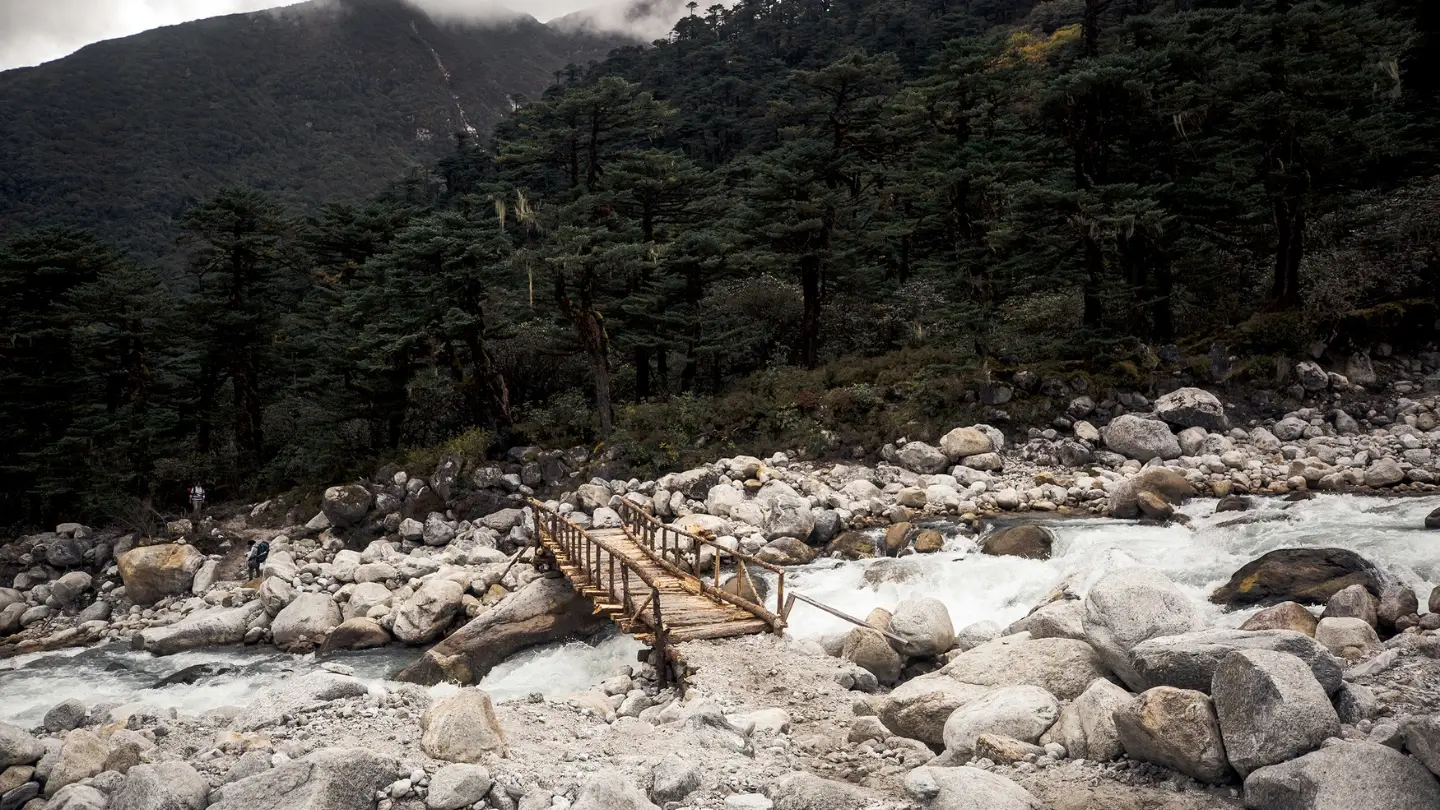
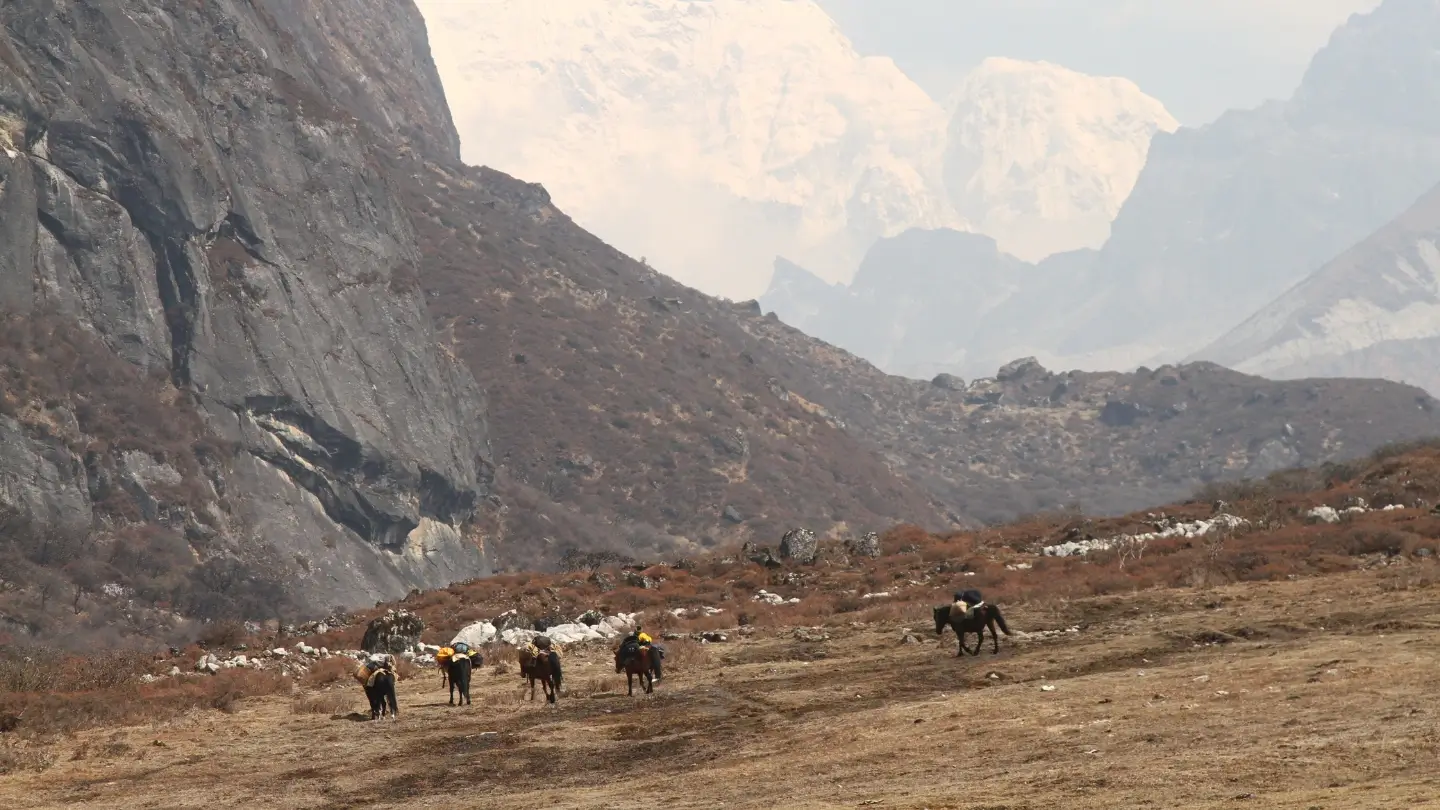
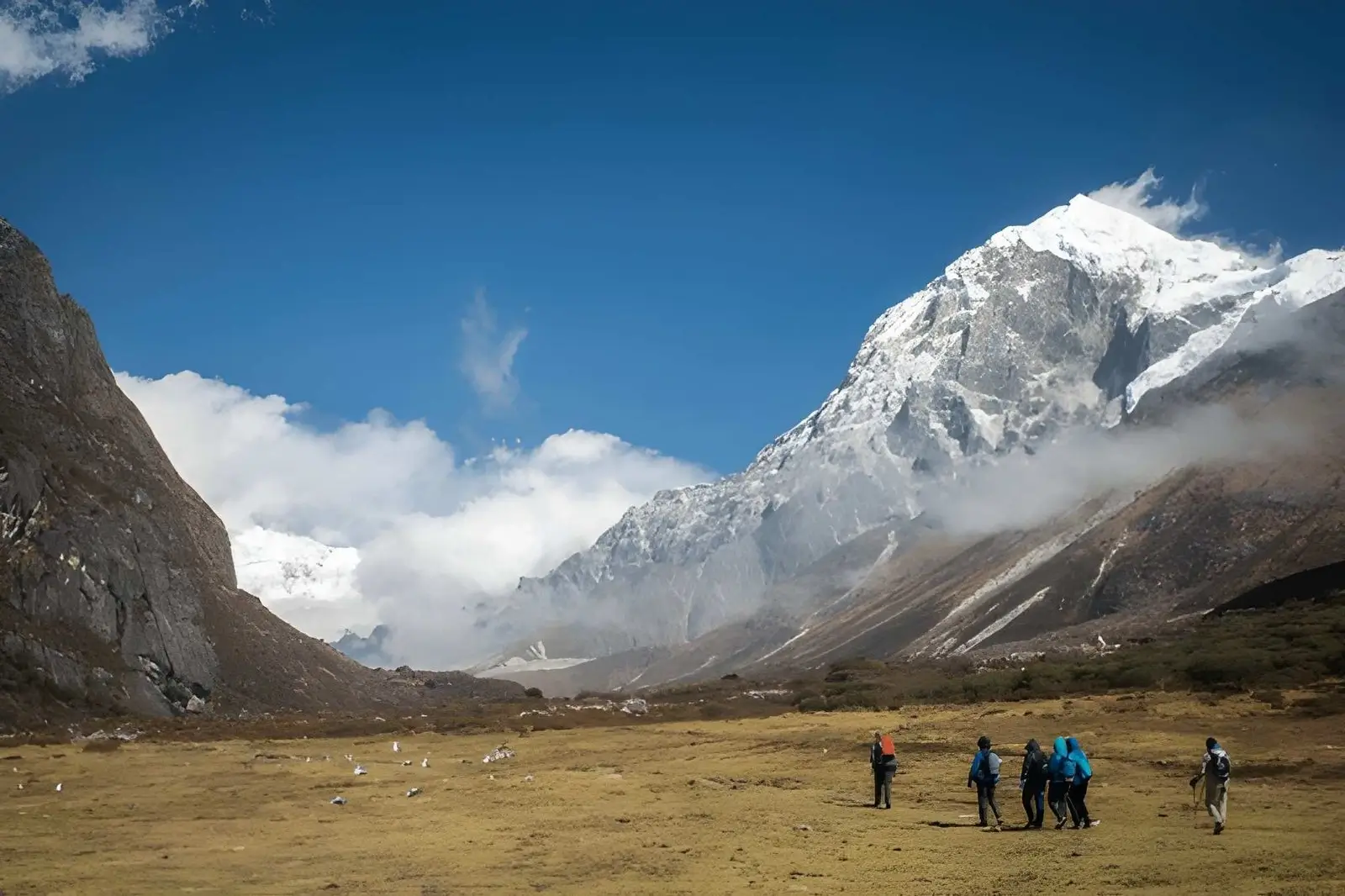
The trek showcases remarkable geographical diversity within a single route. Trekkers experience a continuous transition of landscapes, including:
Few treks in India offer such a wide range of ecosystems over a relatively compact duration, making each day of the trail visually and ecologically distinct.
4. Rich Flora and Fauna
The Goechala Trek passes through the Kanchenjunga National Park, a UNESCO World Heritage Site and one of India’s most biodiverse regions. The area is home to rare wildlife such as the red panda, Himalayan black bear, musk deer, and numerous species of birds and butterflies.
Seasonal blooms of rhododendrons, orchids, and magnolias further enhance the trekking experience. The opportunity to walk through such a biologically rich and protected ecosystem is a major factor that distinguishes Goechala from many other Himalayan treks.
5. Balanced Adventure and Physical Challenge
The Goechala Trek is considered a moderate to challenging high-altitude trek. Spanning approximately 8–11 days, it covers nearly 90 kilometers and reaches elevations of around 4,600–5,000 meters.
While it demands good physical fitness and endurance, it does not require technical mountaineering skills. This balance makes the trek suitable for serious trekkers who seek a challenging Himalayan experience without the risks associated with technical climbs.
6. Samiti Lake: A Highlight of the Trail
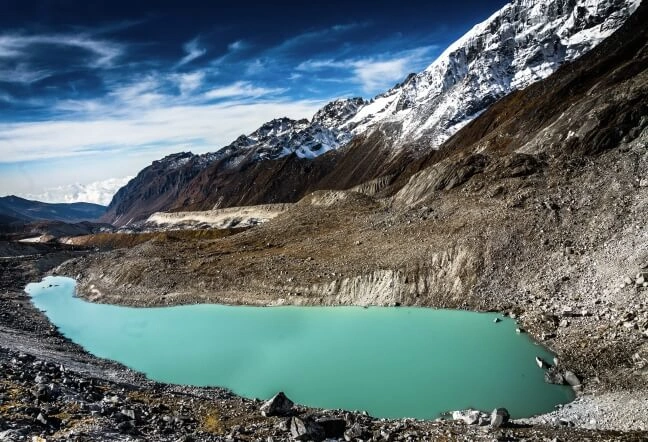
Samiti Lake is one of the most iconic features of the Goechala Trek. Surrounded by snow-covered peaks and glacial formations, the lake is known for its still, mirror-like surface reflecting Mount Pandim.
The serene and almost surreal atmosphere of Samiti Lake leaves a lasting impression on trekkers and is often cited as one of the most memorable moments of the journey.
7. Cultural and Historical Immersion
The trek begins in Yuksom, a town deeply rooted in Sikkimese history and Buddhist traditions. Along the trail, trekkers encounter monasteries, prayer flags, chortens, and small settlements that reflect the region’s cultural identity. Interaction with local communities, exposure to traditional lifestyles, and the presence of sacred sites add a cultural dimension that is often absent in purely scenic treks.
The best time to do the Goechala Trek in Sikkim is during April–May and September–October, when weather conditions and mountain visibility are most favourable. As a high-altitude Himalayan trek crossing alpine zones and glacial terrain, Goechala is open only during limited windows of the year.
1.Spring (April to May): Ideal for Clear Views and Blooming Trails
Spring is one of the best seasons to attempt the Goechala Trek. During this period, the weather remains relatively stable, with moderate daytime temperatures and cold but manageable nights. The skies are usually clear, offering uninterrupted views of Mt. Kanchenjunga and surrounding peaks. What makes this season especially important is the blooming of rhododendrons and alpine flowers, which transform the forests and meadows into vibrant landscapes, making the trek visually rewarding and pleasant for trekkers.
2. Autumn (September to October): Best for Weather Stability and Mountain Visibility
Autumn is considered the most reliable season for the Goechala Trek. After the monsoon withdraws, the air becomes crisp and clean, resulting in sharp, dramatic views of snow-clad mountains. The weather is dry, reducing the risk of landslides and slippery trails. This season is important for safety and photography, as visibility is at its best and trekking conditions are stable, making it ideal for both experienced trekkers and serious first-timers.
3. Winter (November to March): Only for Experienced Trekkers
Winter trekking to Goechala is extremely challenging due to heavy snowfall, sub-zero temperatures, and blocked trails. Many routes become inaccessible, and campsites may be buried under snow. This season is important to understand mainly for exclusion; unless you are highly experienced and properly equipped, winter is not recommended, as safety risks increase significantly.
4. Monsoon (June to August): Not Recommended Due to High Risk
The monsoon season brings heavy rainfall, leeches, landslides, and poor visibility. Trails become muddy and dangerous, and mountain views are often obscured by clouds. This season is important to avoid, as trekking during monsoon can compromise both safety and the overall experience.
In conclusion, the best time to visit Goechala is April–May and September–October, when weather conditions, visibility, and trail safety align perfectly to offer a rewarding high-altitude Himalayan trekking experience.
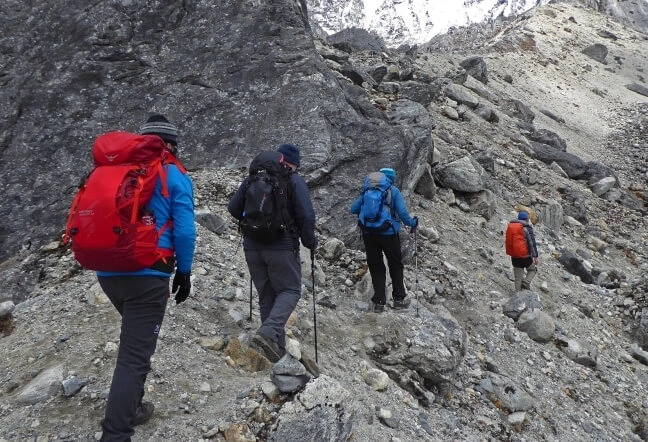
The Goechala Trek is classified as a moderate-to-difficult high-altitude trek. While it does not involve technical mountaineering or the use of climbing equipment, the combination of altitude, duration, terrain, and weather variability makes it demanding. The trek reaches a maximum altitude of approximately 4,600–4,700 meters, where oxygen levels are significantly lower, increasing physical strain.
Overall, the Goechala Trek is considered a difficult high-altitude trek due to its altitude, duration, and sustained physical effort, even though it does not require technical climbing skills.
Trail conditions vary seasonally and demand endurance, balance, and careful pacing throughout the trek.
Prior experience with multi-day treks is strongly recommended, especially for those unfamiliar with high-altitude conditions.
This preparation helps reduce fatigue, improves recovery, and lowers the risk of altitude-related issues.
Here are quick links to explore the Sikkim Tours Online website and find important information about Sikkim travel, tourism, and holiday packages.