 Sikkim Tours Online
Green Lake Trek
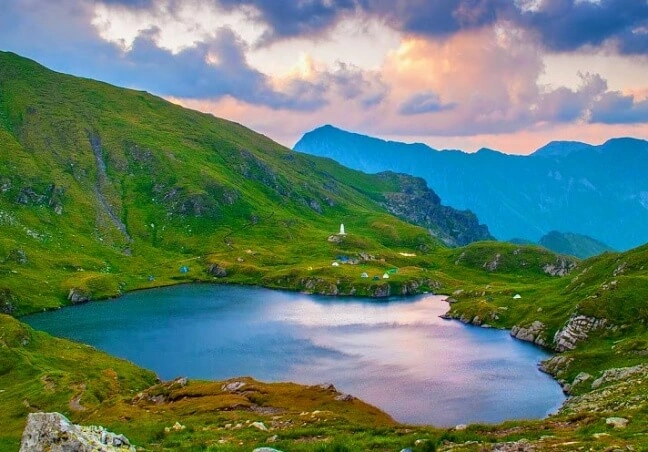
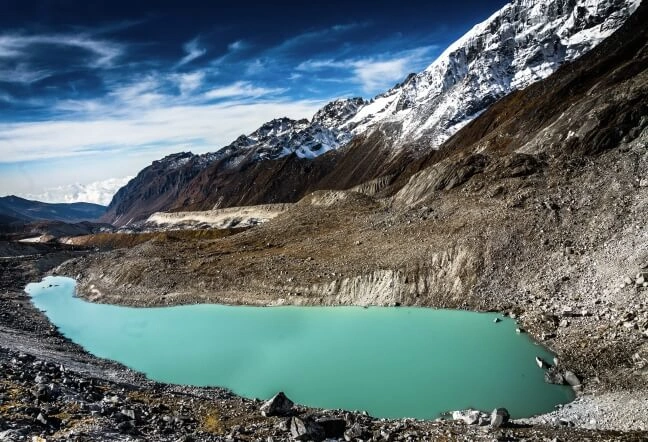
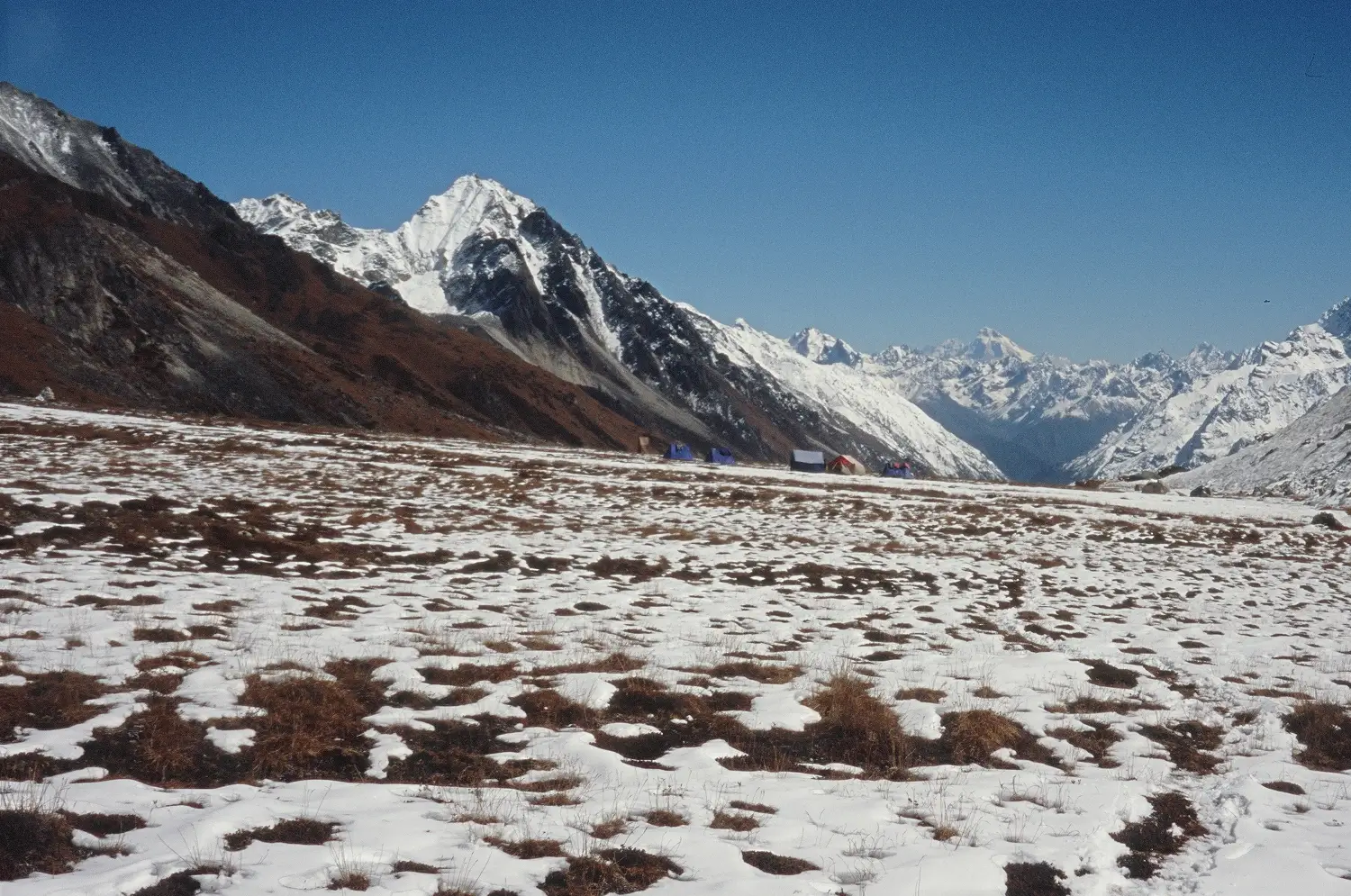
The Green Lake Trek in North Sikkim is an expedition-style route that follows the Zemu Glacier valley to the high-altitude Green Lake basin, located beneath the northern face of Mount Kanchenjunga. Beginning from Lachen village, the trail moves steadily through changing ecological zones, from dense forests and alpine meadows to stark glacial terrain near the base camp.
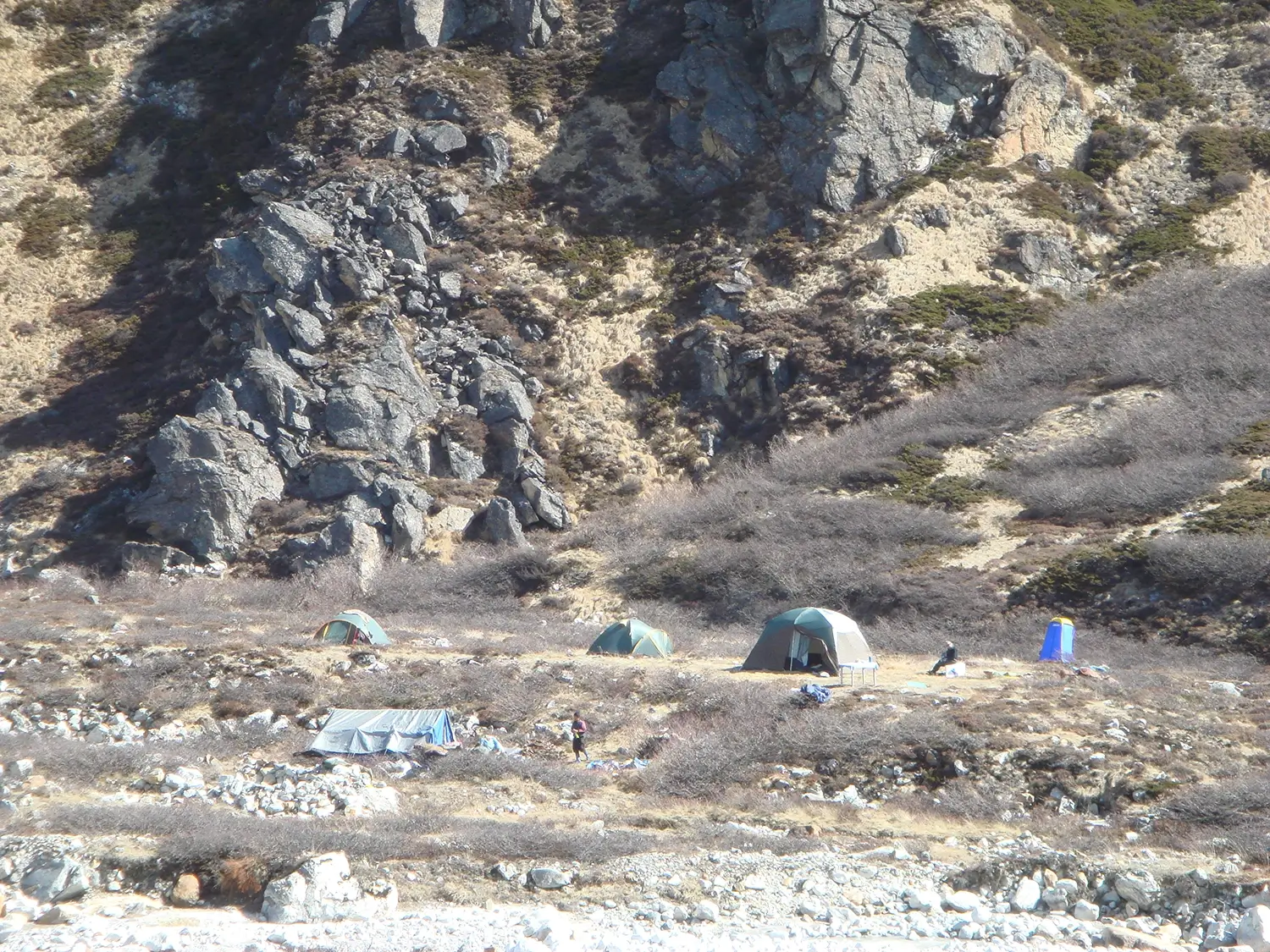
The trek covers roughly 92 km round trip and passes through established camps such as Tallem, Jakthang, Yabuk, Rest Camp, and Green Lake. Unlike commercial trekking routes in Sikkim, there are no permanent shelters beyond lower settlements, and the journey requires complete self-sufficiency, careful acclimatization, and sustained physical effort. The isolation and scale of the landscape define this trek more than altitude alone.
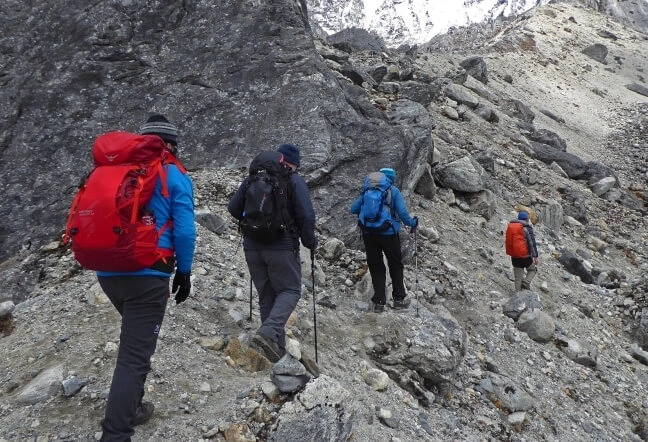
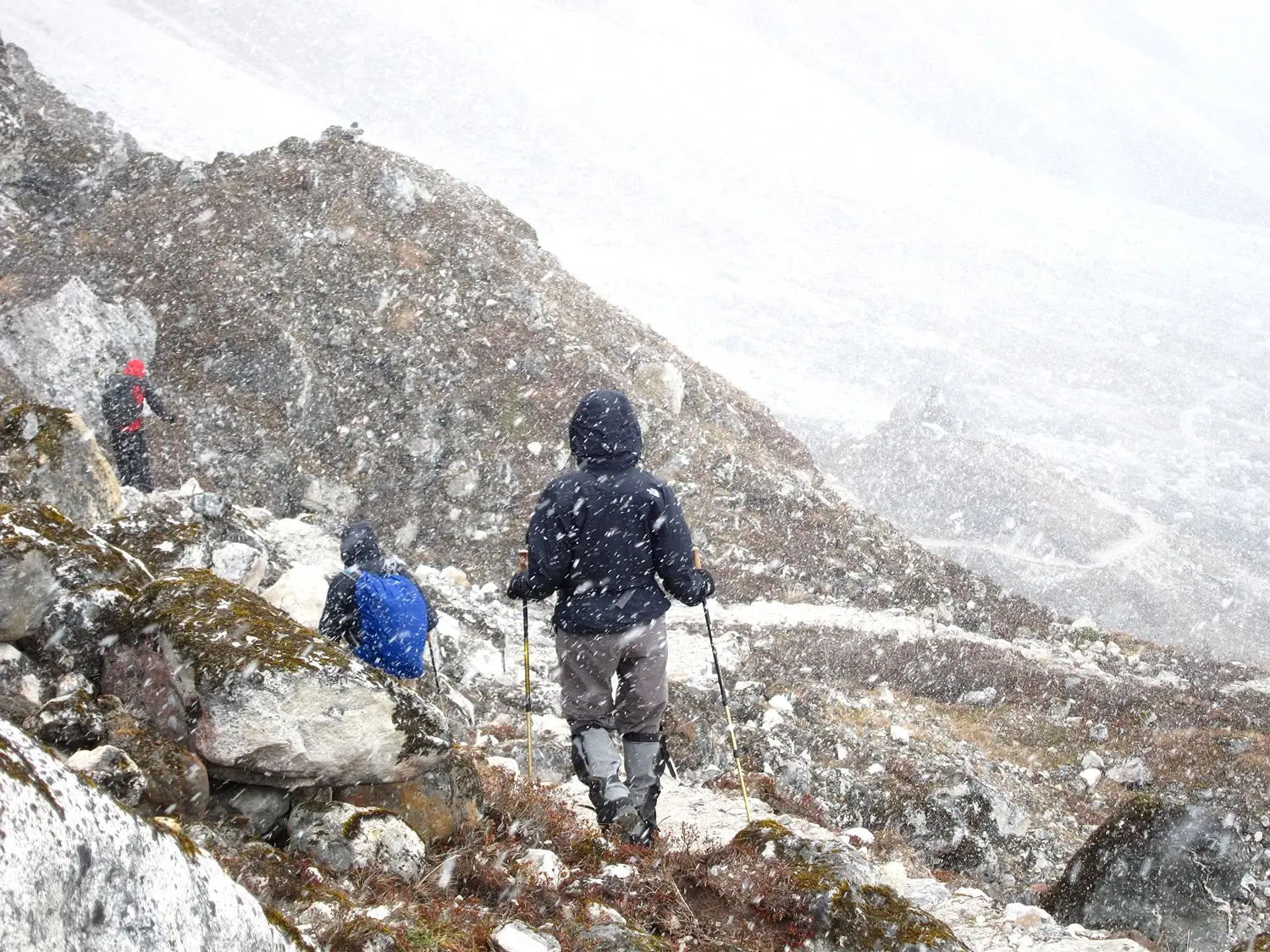
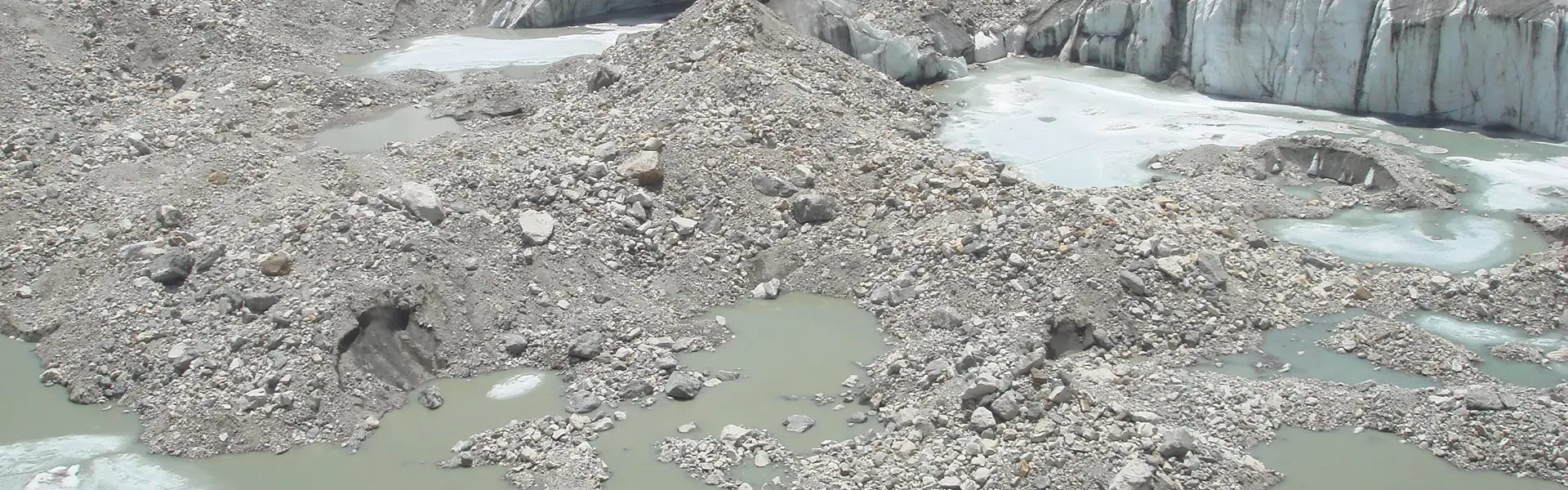
The terrain varies throughout the journey. The initial sections wind through thick rhododendron thickets and coniferous forests rich with biodiversity, including rare orchids, blue poppies, and primulas. As altitude increases, the landscape transitions to alpine meadows and eventually to the stark, beautiful high-altitude desert terrain near Green Lake. The trail involves crossing wooden bridges over roaring rivers, navigating landslide-prone sections, scrambling over massive boulders, and carefully treading across loose moraine near the glacier.
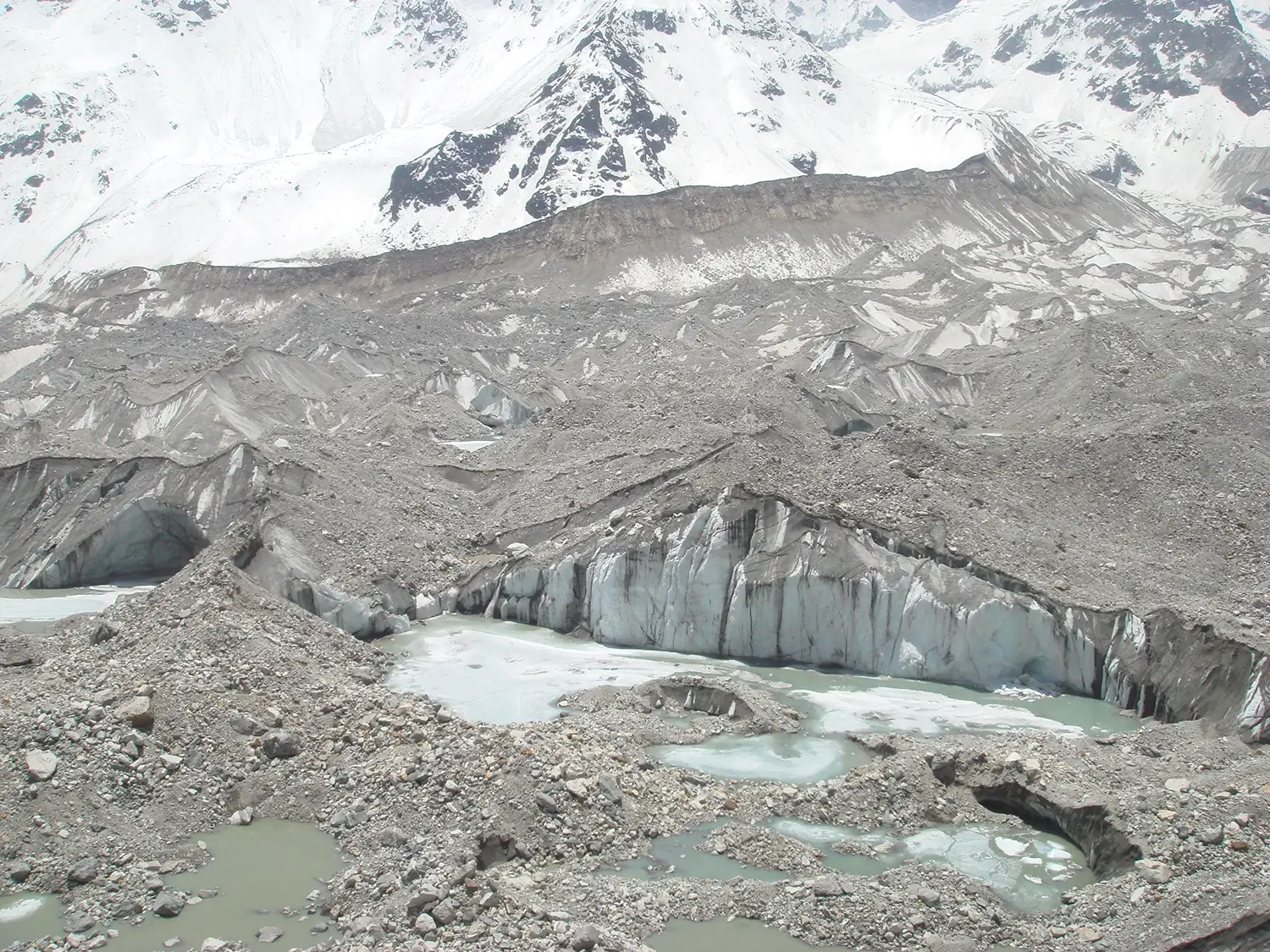
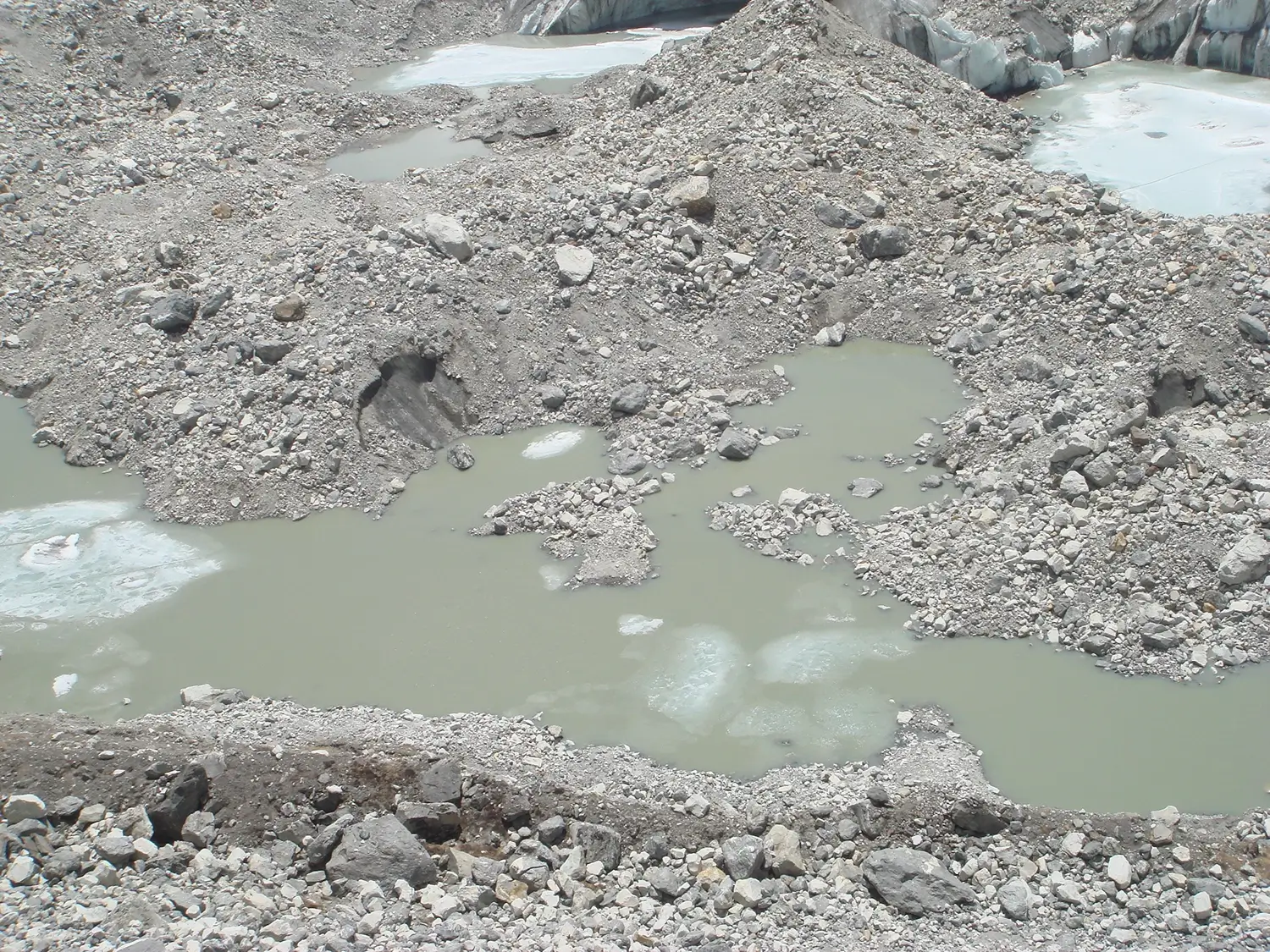
One of the most remarkable aspects of this Sikkim trekking tour is the opportunity to witness the Zemu Glacier up close, one of the largest glaciers in the Eastern Himalayas. The glacier's massive ice formations, deep crevasses, and the thunderous sound of meltwater rushing through ice tunnels create an otherworldly atmosphere that leaves trekkers awestruck.
The wildlife encounters add another dimension to this adventure. The region is home to endangered species, including red pandas, snow leopards, Himalayan black bears, blue sheep, blood pheasants, and the elusive musk deer. Birdwatchers will be delighted by sightings of Himalayan griffon vultures, golden eagles, and various species of pheasants and accentors.
Permits and Regulations
Since the Green Lake Trek falls within a restricted area near the Indo-China border and inside Kanchenjunga National Park, trekkers must obtain permits. Indian nationals require a Protected Area Permit (PAP), while foreign nationals need a Restricted Area Permit (RAP) along with an Inner Line Permit (ILP). All permits must be arranged through registered trekking agencies in Gangtok, and trekking is only allowed with licensed guides and support staff. A minimum group size of two trekkers is typically required for permit issuance.
Reaching the Trek Starting Point
The journey to the trek's starting point is an adventure itself. Trekkers typically fly into Bagdogra Airport in West Bengal (approximately 125 km from Gangtok) or take a train to New Jalpaiguri (NJP) Railway Station. From there, it's a scenic 5-6 hour drive to Gangtok, Sikkim's capital, where permit formalities are completed. Another day is spent driving to Lachen village through spectacular mountain roads, crossing numerous waterfalls and traditional Sikkimese villages, and offering glimpses of the mighty Teesta River. From Lachen, a short vehicle ride brings trekkers to Zema or Thangu, where the actual trekking & hiking in Sikkim adventure begins on foot.
The Green Lake Trek in Sikkim has earned its reputation as one of India's most spectacular yet underexplored Himalayan adventures for several compelling reasons that attract serious trekkers and nature enthusiasts from around the globe.
Pristine Wilderness and Solitude
Unlike crowded popular treks in Nepal or other parts of the Himalayas, this Sikkim trekking route remains largely off the beaten path. The restricted permit requirements, challenging terrain, and remote location ensure that only a limited number of trekkers attempt this journey each year. This exclusivity translates into an authentic wilderness experience where you can trek for entire days without seeing another group, allowing for deep communion with nature and personal introspection.
Spectacular Mountain Views
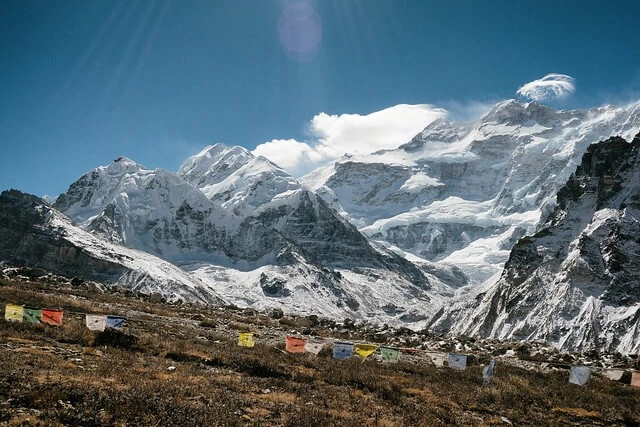
The visual grandeur of this trek is simply unparalleled. Throughout the journey, trekkers are rewarded with breathtaking panoramas of some of the world's highest and most beautiful peaks. The highlight is the close-up view of the Kanchenjunga massif, including Kanchenjunga Main (8,586m), Kanchenjunga West or Yalung Kang (8,505m), Kanchenjunga Central (8,482m), Kanchenjunga South (8,494m), and Kangbachen (7,903m). The sight of these colossal mountains creating a silver line parallel to the sky is absolutely mesmerizing.
Mount Siniolchu (6,887m), often regarded as one of the most beautiful mountains in the world, presents itself magnificently from Rest Camp. Its perfect pyramid shape and aesthetic proportions have captivated mountaineers and trekkers for decades. Other stunning peaks visible throughout the journey include Mount Simvo, Tent Peak, Pyramid Peak, Nepal Peak, and numerous unnamed summits that form a spectacular amphitheater around Green Lake.
Rich Biodiversity and Flora
Kanchenjunga National Park, through which this trekking route in Sikkim passes, is a UNESCO World Heritage Site recognized for its outstanding biodiversity. The park protects a complete ecosystem ranging from subtropical forests to alpine meadows and glacial zones. During spring months, the rhododendron forests explode in a riot of colors with red, pink, white, and purple blooms creating a fairytale-like atmosphere.
The trek showcases remarkable botanical diversity, including rare Himalayan blue poppies, primulas, gentians, numerous orchid species, and medicinal herbs used in traditional medicine.
Exceptional Wildlife Encounters
For wildlife enthusiasts, this trek in Sikkim offers possibilities of encountering some of the Himalaya's most elusive and endangered species. The region is one of the last strongholds of the snow leopard, though sightings of this ghost cat remain extremely rare. More commonly spotted are Himalayan blue sheep (bharal), which are often seen grazing on impossibly steep slopes near Rest Camp.
The forests in lower elevations shelter red pandas. Himalayan black bears, musk deer, and Himalayan tahr also inhabit these forests. Bird enthusiasts can spot golden eagles, Himalayan griffon vultures, blood pheasants, satyr tragopans, and various species of accentors and rosefinches.
Historical and Mountaineering Significance
The Green Lake Trek holds immense historical importance in Himalayan mountaineering. In the pre-World War II era, when Nepal was closed to foreigners, Green Lake Base Camp served as the primary approach route for Mount Kanchenjunga expeditions. Famous mountaineers attempted the peak from this side, following the Zemu Glacier approach. Early Everest expeditions also passed through North Sikkim, and portions of their route overlap with this trek.
Cultural Immersion
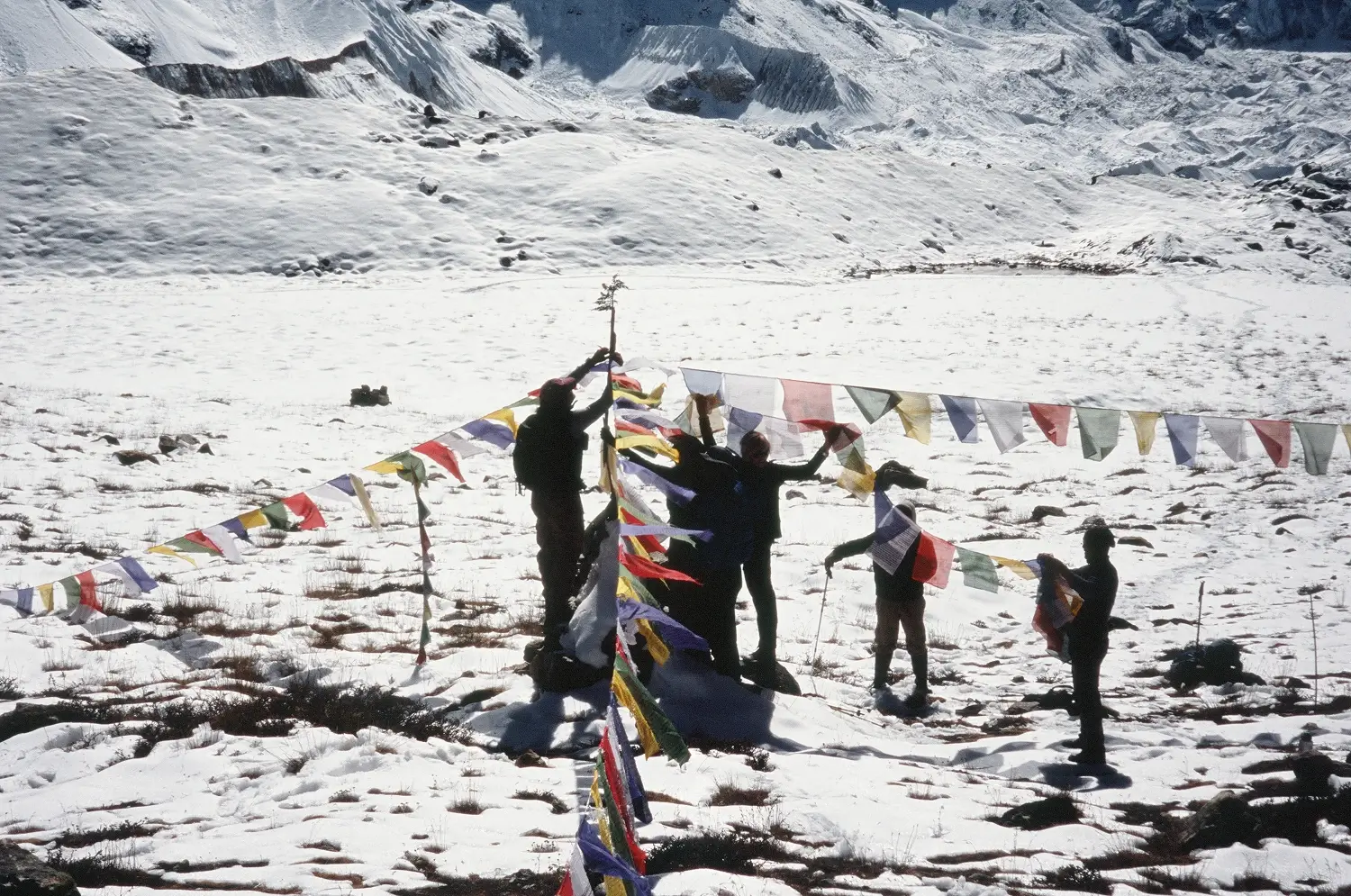
The Sikkim trekking tour provides meaningful cultural encounters with the local Bhutia and Lepcha communities. Lachen village, the trek's base, is home to semi-nomadic people who maintain traditional lifestyles, moving with their yak and sheep herds to high pastures during summer. The region has deep spiritual significance for locals, who consider the mountains sacred and perform traditional Buddhist rituals to honor them.
Green Lake and the surrounding peaks hold religious importance, and it's believed that Guru Padmasambhava, who brought Buddhism to Tibet, visited this sacred area.
Challenge and Personal Achievement
For experienced trekkers seeking to test their limits, this trekking & hiking in Sikkim adventure offers the perfect blend of physical challenge and reward. The significant altitude gain, long trekking days (6-8 hours daily), rugged terrain, and camping at high altitude create a formidable challenge that demands mental toughness, physical endurance, and proper acclimatization. Successfully completing this trek provides immense personal satisfaction and a sense of achievement that stays with trekkers forever.
Photographic Paradise
For photographers, whether amateur or professional, this Green Lake Trek in Sikkim is an absolute dream. The constantly changing mountain light, dramatic landscapes, colorful flora, unique wildlife, and the interplay of clouds, snow, and rock create endless photographic opportunities. Sunrise and sunset views of Kanchenjunga from high-altitude campsites produce images that are truly world-class.
The autumn months offer particularly stunning photography conditions with crystal-clear skies, golden landscapes, and the first dusting of fresh snow on peaks creating perfect contrast. Spring photography captures the vibrant rhododendron blooms and lush green landscapes against snow-capped mountains.
The best time to do the Green Lake Trek is from April to June and September to October, when access, visibility, and weather conditions are most reliable. Choosing the right season for the Green Lake Trek is crucial for a safe, enjoyable, and successful expedition. The timing significantly impacts weather conditions, trail accessibility, mountain visibility, flora displays, and overall trekking experience.
Spring (April–June):
Spring offers stable weather, blooming rhododendron forests, and good visibility. Early spring may retain snow near higher camps, while May provides the most balanced conditions for trekking and photography. Late June becomes less predictable as monsoon influence increases
Autumn (September–November):
Autumn delivers the clearest mountain views and dry trails after the monsoon. October is the most reliable month, while early November remains viable but colder, with increasing chances of snowfall toward the end of the season.
The Green Lake Trek is considered a difficult to strenuous expedition and is recommended only for trekkers with prior high-altitude and multi-day trekking experience. Understanding the challenges and preparing adequately is essential for a successful and enjoyable experience on this demanding Sikkim trekking route.
Difficulty Rating: Difficult to Strenuous
This trek falls into the difficult category primarily due to a combination of factors rather than any single element. Unlike technical mountaineering routes, the Green Lake Trek in Sikkim doesn't require ropes, ice axes, or specialized climbing skills. However, the combination of high altitude, long trekking days, challenging terrain, and primitive camping conditions creates a formidable challenge that shouldn't be underestimated.
Altitude Challenges - The Primary Difficulty Factor
The most significant challenge of this trekking tour is the sustained exposure to high altitude. The trek starts from Lachen at 2,730 meters and reaches Green Lake at 5,050 meters, representing a gain of over 2,300 meters. More importantly, trekkers spend five consecutive nights camping above 4,000 meters, with the final camps at Rest Camp (4,725m) and Green Lake (5,050m) pushing into serious high-altitude territory where oxygen levels are significantly reduced.
Acute Mountain Sickness (AMS) Risks: At these altitudes, the atmospheric pressure is roughly 50% of sea level, meaning each breath delivers significantly less oxygen to your bloodstream. This creates various altitude-related challenges:
Proper acclimatization is absolutely crucial. The itinerary includes strategically planned rest days at Jakthang and Green Lake to allow your body to adapt to reduced oxygen levels. Ignoring altitude symptoms or pushing too hard can lead to serious medical emergencies in this remote location where evacuation is extremely difficult.
Physical Demands and Terrain Challenges
Daily Trekking Duration: The Sikkim trekking tour involves trekking 6-8 hours daily for multiple consecutive days, covering distances of 6-13 kilometers depending on the stage. This requires substantial cardiovascular endurance and leg strength. Unlike day hikes where you can return to comfortable accommodations, this trek demands sustained performance over 9-12 days with only basic camping facilities.
Physical Fitness Requirements
To successfully complete this trekking & hiking in Sikkim adventure, trekkers should meet these fitness standards:
Cardiovascular Endurance:
Leg Strength and Stability:
Core Strength:
Mental Endurance : Perhaps equally important as physical fitness is mental toughness. The Green Lake Trek tests your mental resolve through:
Trekkers should prepare for at least 8–10 weeks before departure, focusing on:
Experience Recommended:
Here are quick links to explore the Sikkim Tours Online website and find important information about Sikkim travel, tourism, and holiday packages.