 Sikkim Tours Online
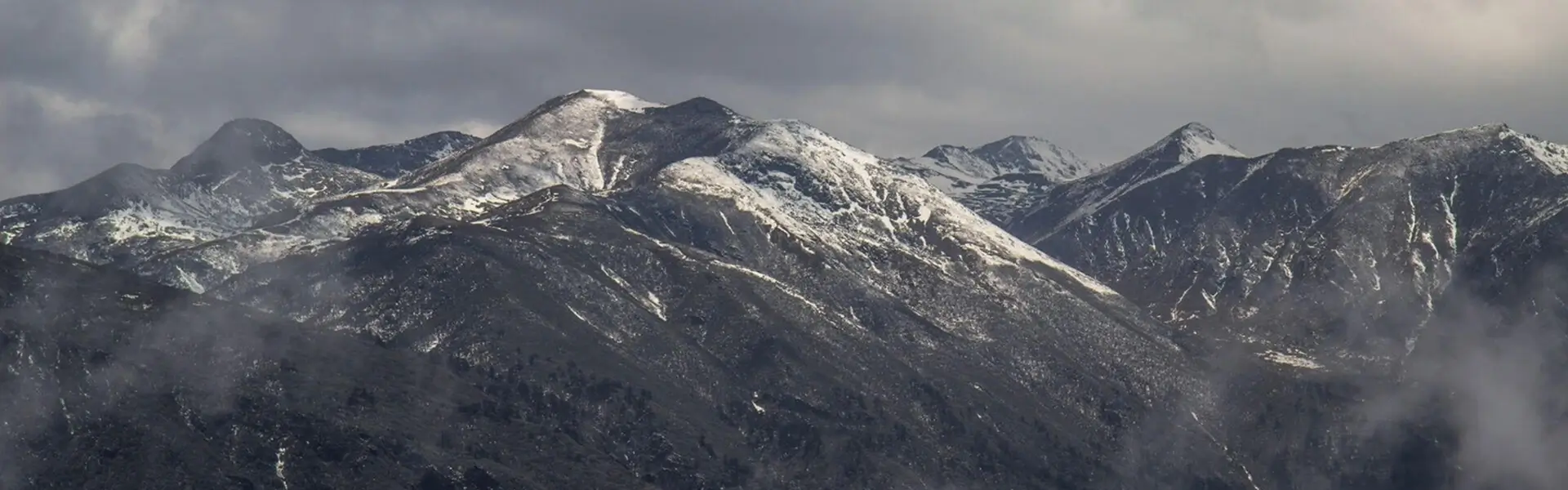
Dzongri Trek
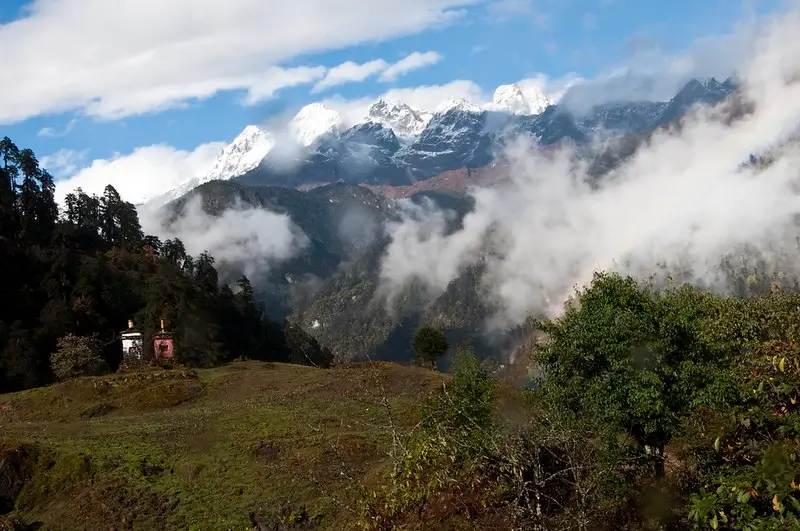
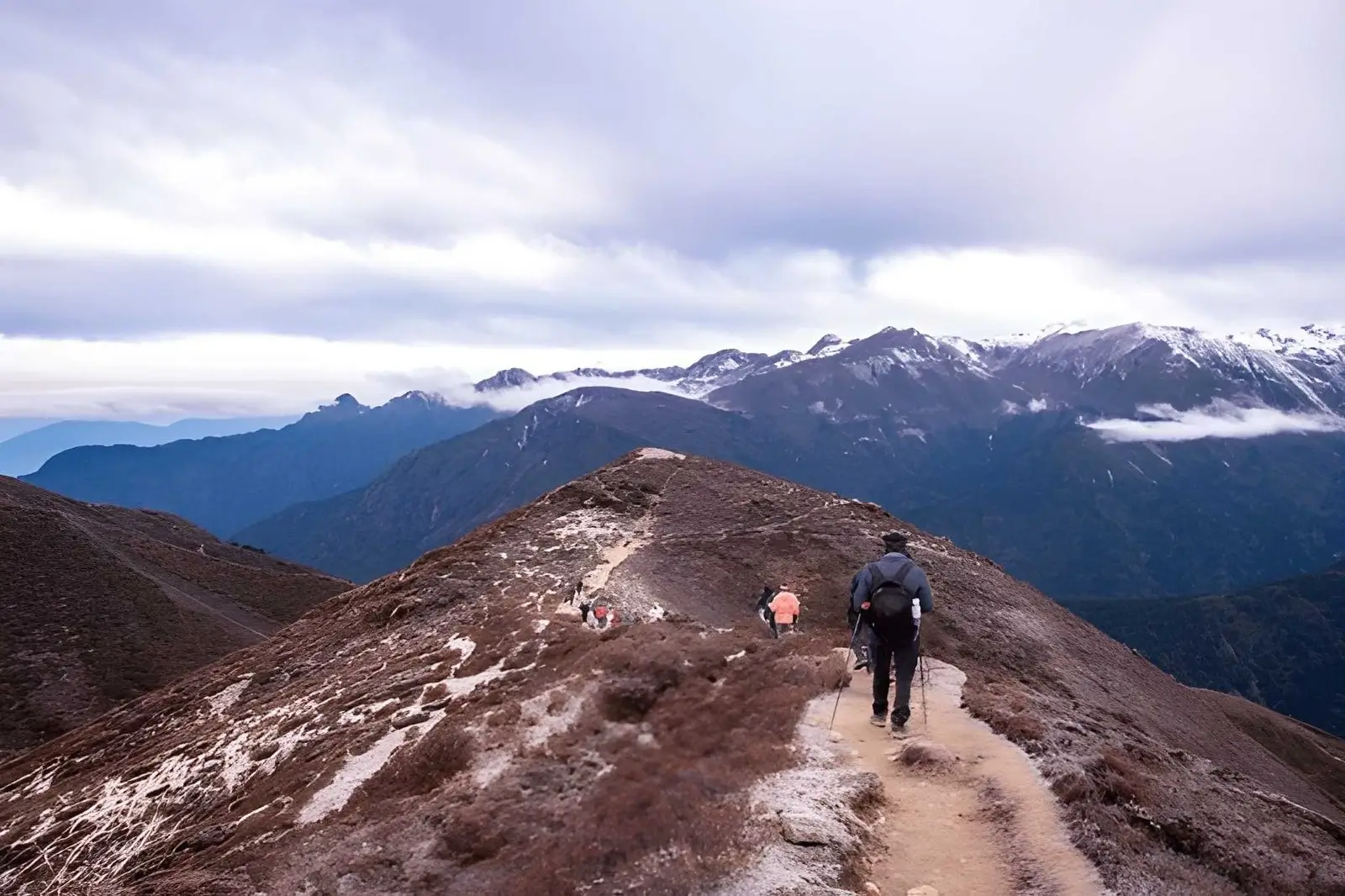
The Dzongri Trek in Sikkim is a popular mid-altitude Himalayan trek known for its panoramic mountain views and relatively shorter duration. Starting from Yuksom, the historic first capital of Sikkim, the trek ascends gradually through dense forests, alpine meadows, and high-altitude grasslands before reaching Dzongri Top, a panoramic viewpoint overlooking the Eastern Himalayas.
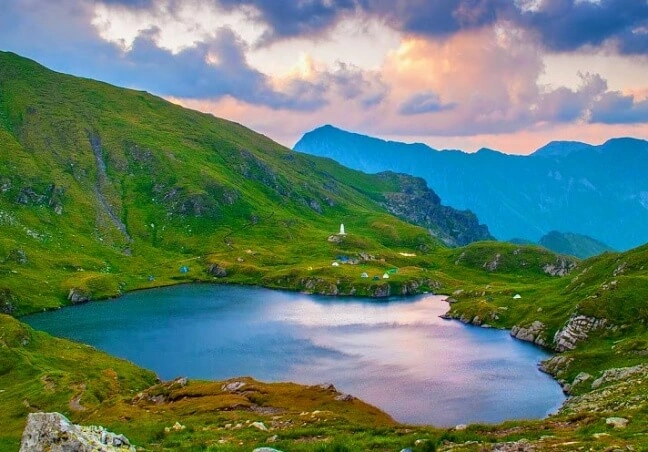
The trail passes through well-established campsites such as Sachen, Tshokha, Phedang, and Dzongri, making it logistically manageable and well-suited for trekkers who want a complete Himalayan experience in a shorter time frame. Accommodation is primarily in tents, with basic lodges available up to Tshokha.
Unlike longer expeditions that push into glacial zones, the Dzongri Trek offers high-altitude exposure without extreme technical challenges. This makes it a preferred route for trekkers seeking strong mountain views, cultural immersion, and wilderness trekking without committing to a long-duration or highly strenuous expedition.
The Dzongri Trek holds a special place among Sikkim’s trekking routes due to its direct access to high-altitude Himalayan viewpoints, cultural depth, and manageable difficulty level. It serves as a complete trek in itself while also being a crucial segment of larger Himalayan routes in the region.
1. Strategic Location and Accessibility
Dzongri is located in West Sikkim, with Yuksom acting as a well-connected starting point via Gangtok and Siliguri. This accessibility allows trekkers to enter a protected Himalayan zone without extended travel through remote terrain. The ease of approach combined with its wilderness setting makes Dzongri a balanced trek, remote yet reachable.
2. Panoramic Views from Dzongri Top
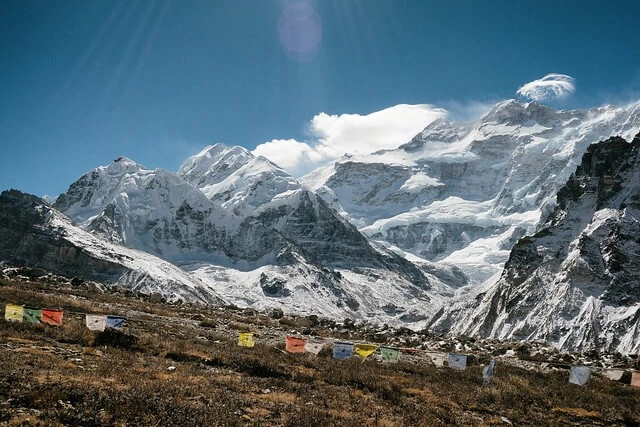
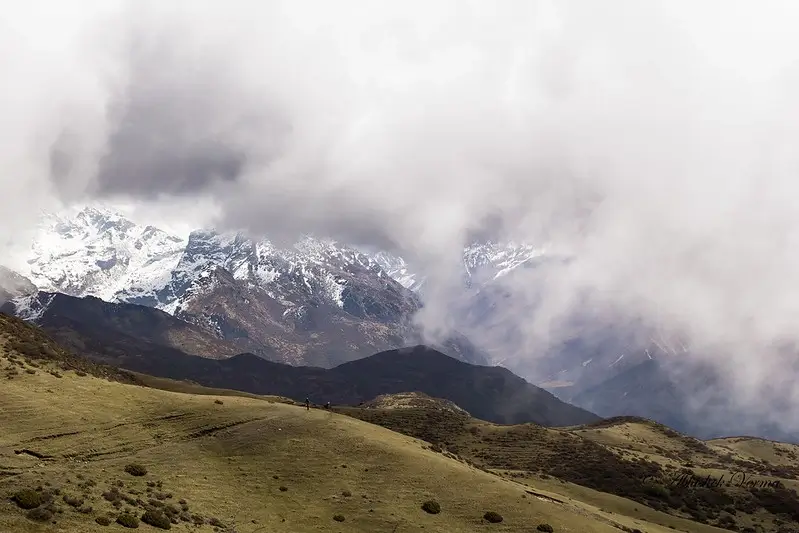
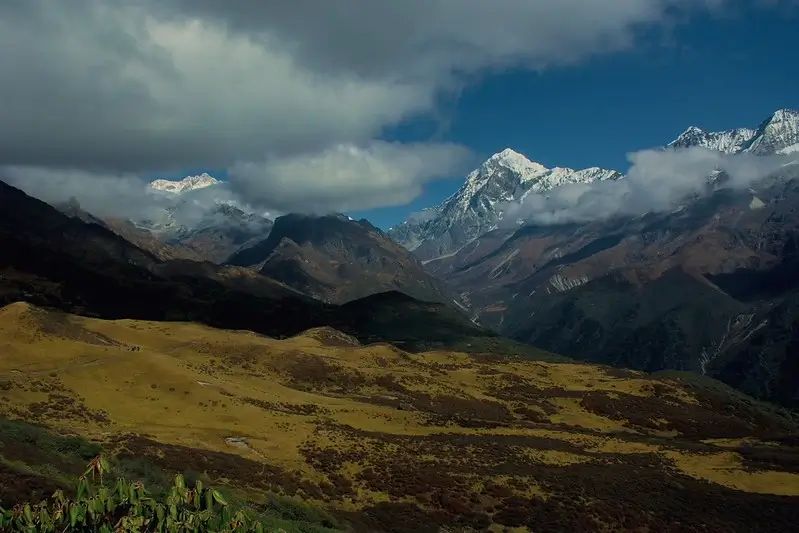
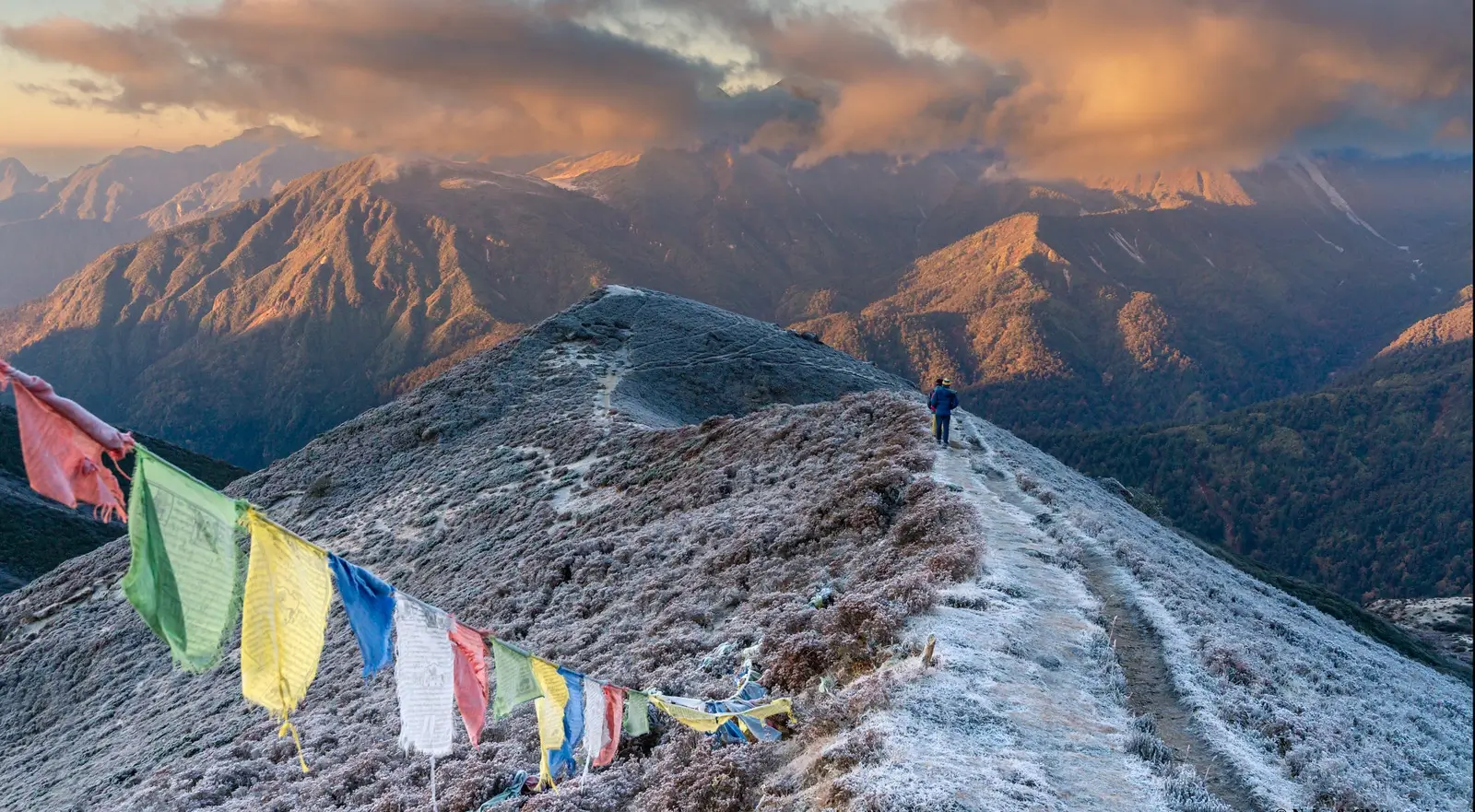
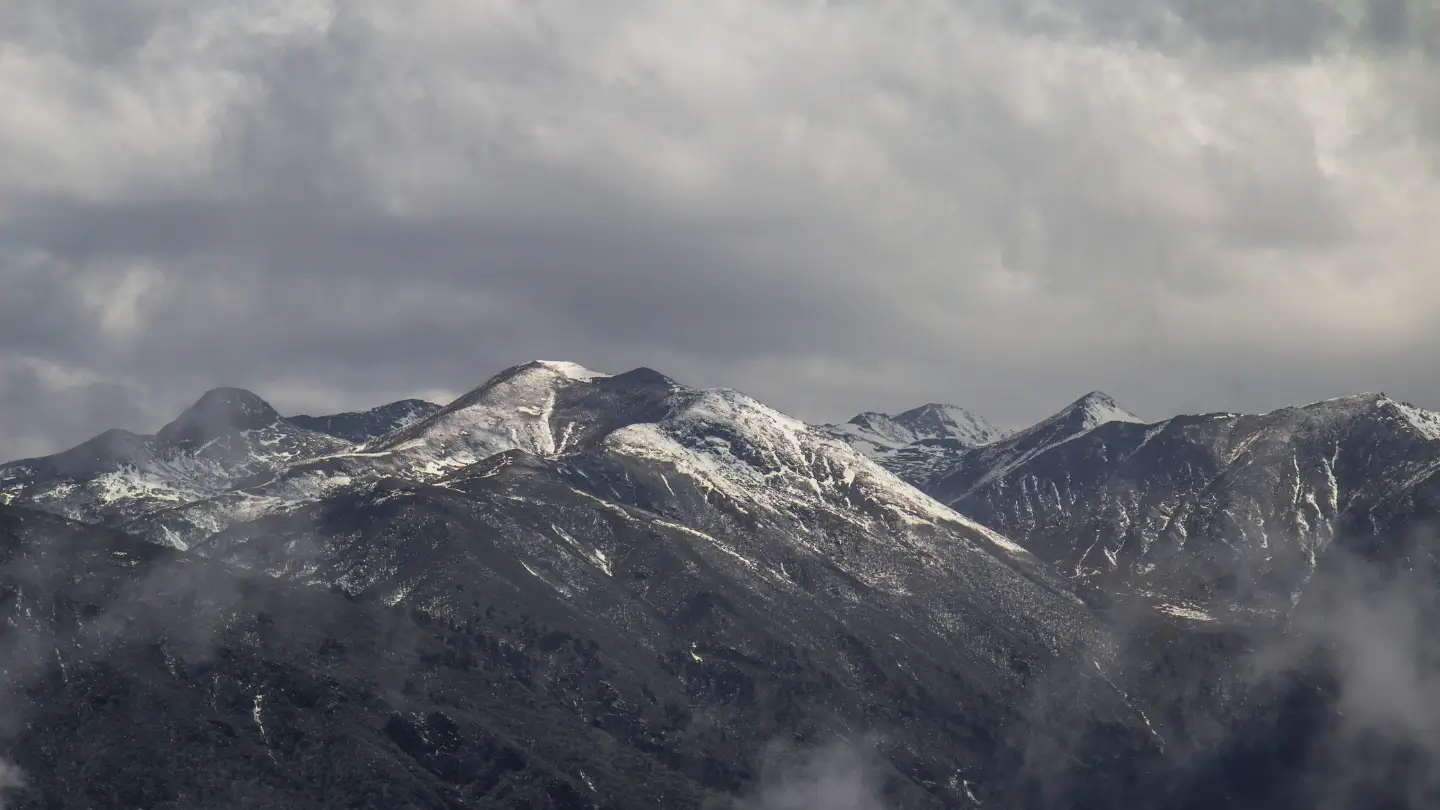
Dzongri Top (approximately 4,200 meters) is one of the finest viewpoints in the Eastern Himalayas. From here, trekkers are rewarded with 360-degree views of major Himalayan peaks, including Mount Kanchenjunga, Pandim, Kabru, Rathong, and Kokthang. These wide-angle views make Dzongri one of the most scenic treks in Sikkim.
The sunrise from Dzongri Top, when the Kanchenjunga massif is illuminated in golden light, is considered one of the most iconic mountain views in Sikkim. This vantage point alone makes Dzongri a must-explore trek.
3. Dramatic Landscape Transitions
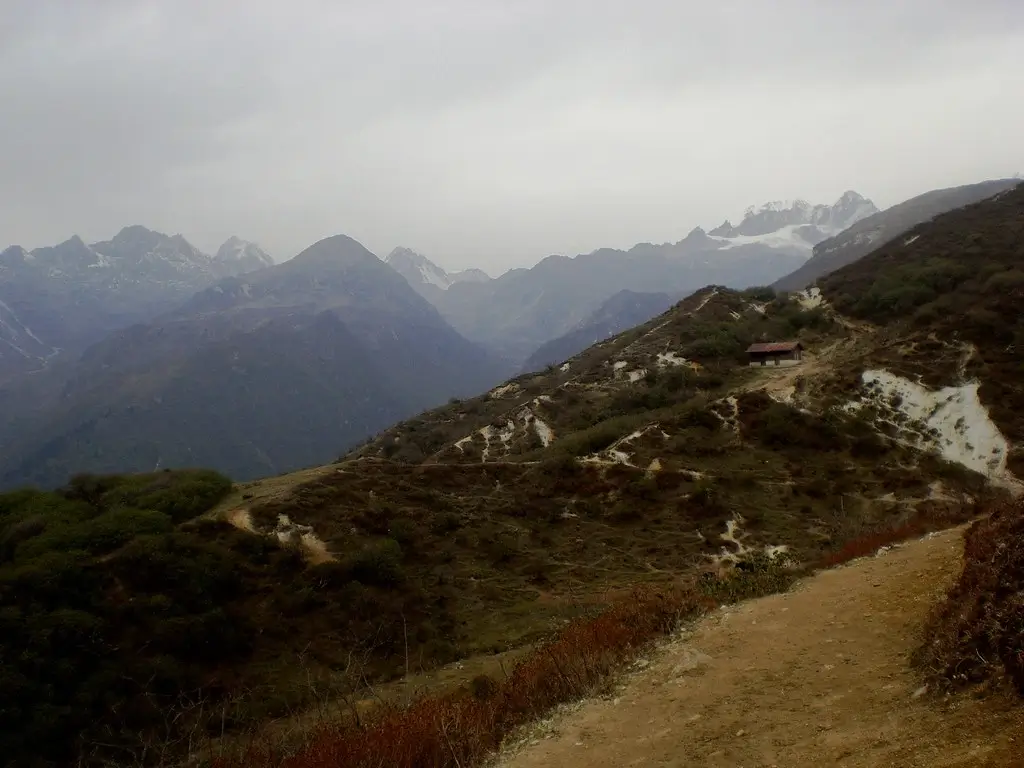
The trek showcases striking ecological diversity within a short distance:
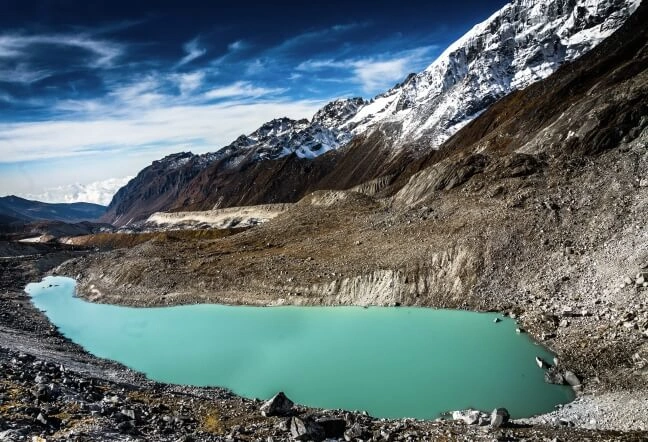
Each day introduces a distinct terrain, ensuring visual variety and a strong sense of progression.
4. Rich Biodiversity of Kanchenjunga National Park
The Dzongri trail passes through one of India’s most biodiverse regions. Trekkers may encounter Himalayan birds, musk deer, and signs of red panda activity. Seasonal blooms of rhododendrons and alpine flowers enhance the trekking experience, especially during spring.
5. Cultural and Spiritual Exposure
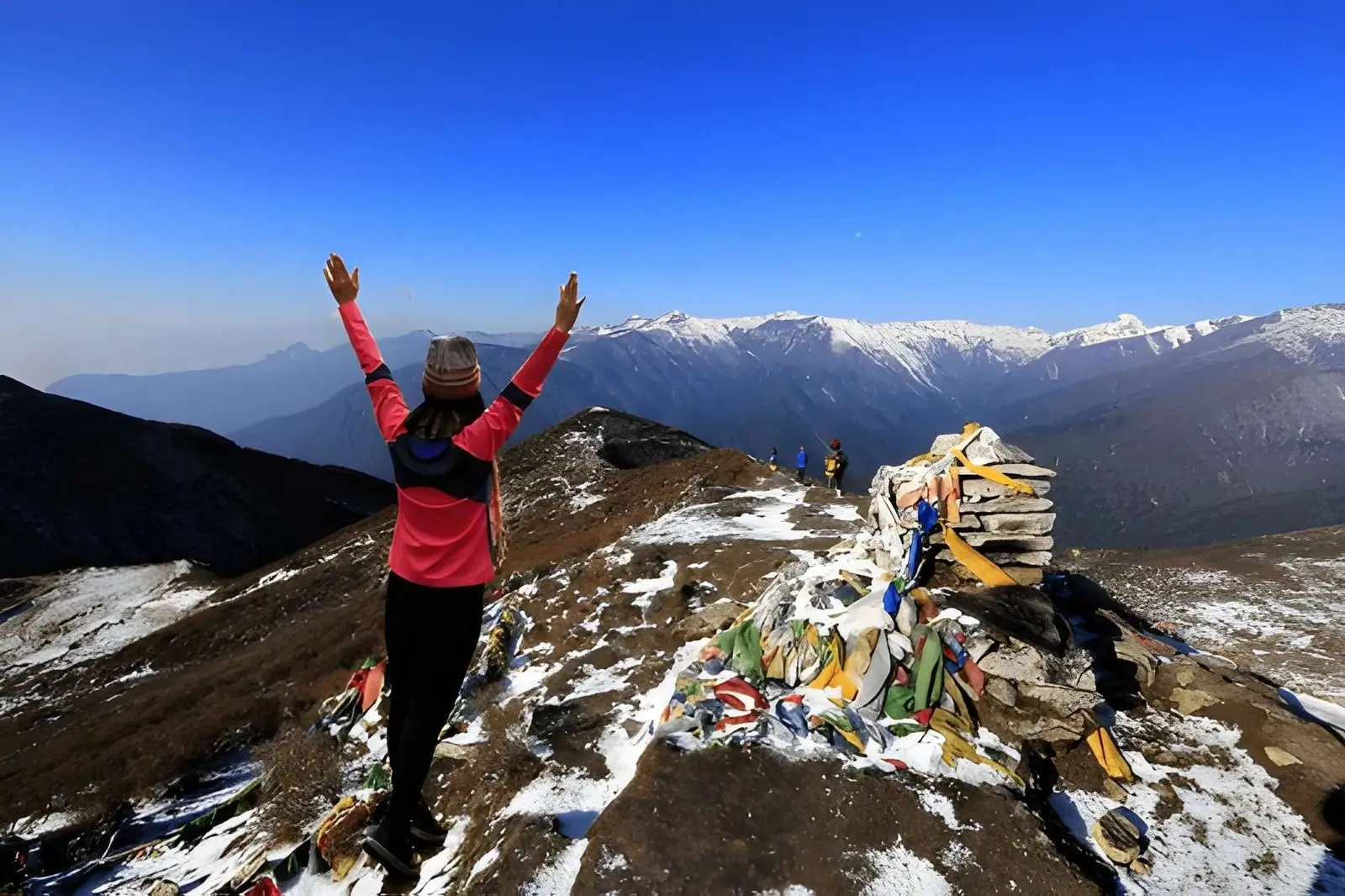
Dzongri Trek offers more than just scenic beauty. Villages like Tshokha reflect traditional Sikkimese life influenced by Tibetan Buddhism. Prayer flags, chortens, and monasteries along the route reinforce the spiritual atmosphere of the region, adding cultural depth to the journey.
The best time to do the Dzongri Trek is from March to May and October to November, when weather conditions and mountain visibility are most favourable. Choosing the correct season for the Dzongri Trek significantly impacts trail conditions, mountain visibility, and overall safety. As a high-altitude trek, Dzongri is accessible only during select periods of the year.
1.Spring (March to May) : Best for Flora and Comfortable Conditions
Spring is one of the most favorable seasons for the Dzongri Trek. The weather is stable, with moderate daytime temperatures and cold but manageable nights. Forests along the trail come alive with blooming rhododendrons and alpine flowers, making this season visually rich. Clear skies during spring also allow consistent views of Kanchenjunga and surrounding peaks.
2. Autumn (October to December) : Ideal for Clear Skies and Mountain Views
Autumn offers the clearest mountain visibility of the year. Post-monsoon air clarity results in sharp, dramatic Himalayan views. The trails remain dry and stable, reducing risks associated with landslides. Early winter snowfall may occur at higher altitudes toward December, adding to the scenic appeal without extreme difficulty.
3. Winter (January to February): For Experienced Trekkers Only
Winter transforms Dzongri into a snow-covered landscape. While the views are spectacular, heavy snow, sub-zero temperatures, and icy trails increase difficulty. This season is suitable only for experienced trekkers with proper gear and winter trekking knowledge.
4. Monsoon (June to September): Not Recommended
Monsoon months bring heavy rainfall, slippery trails, leeches, and frequent cloud cover. Mountain views are limited, and safety risks increase due to landslides. This season is best avoided.
The best time to visit Dzongri Trek is March–May and October–November, when weather stability, trail safety, and visibility align for an optimal trekking experience.
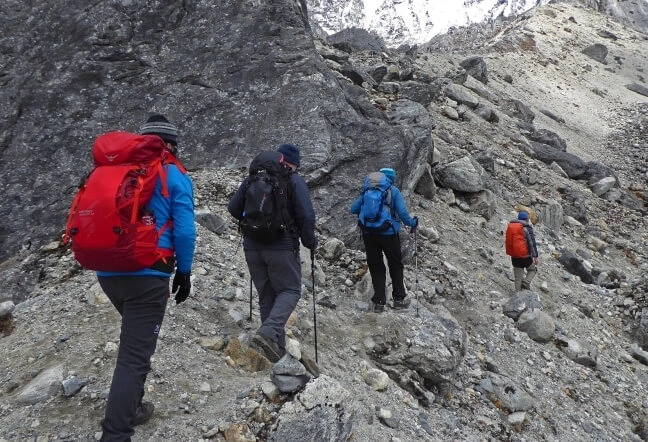
The Dzongri Trek is classified as a moderate-level Himalayan trek. While it does not involve technical climbing, the combination of altitude, terrain, and multi-day walking requires good physical preparation. Overall, the trek is suitable for beginners with preparation and intermediate trekkers seeking altitude exposure.
Trail conditions vary seasonally, demanding balance and endurance rather than speed.
Previous trekking experience is helpful but not mandatory if proper preparation is undertaken.
Here are quick links to explore the Sikkim Tours Online website and find important information about Sikkim travel, tourism, and holiday packages.