Top Tourist Destinations in Bhutan
Bhutan, the "Land of the Thunder Dragon," is nestled in the Eastern Himalayas, where ancient traditions seamlessly blend with breathtaking natural beauty. Revered for its deep spiritual roots, rich heritage, and commitment to sustainability, Bhutan remains one of the world's last unspoiled travel destinations. Whether you seek adventure, cultural exploration, or spiritual solace, Bhutan promises an unforgettable journey.
The Top 10 Must-Visit Places in Bhutan:
- Paro
- Thimphu
- Punakha
- Bumthang
- Wangdue Phodrang
- Haa Valley
- Gasa
- Chukha
- Samtse
- Phuentsholing
1 Paro
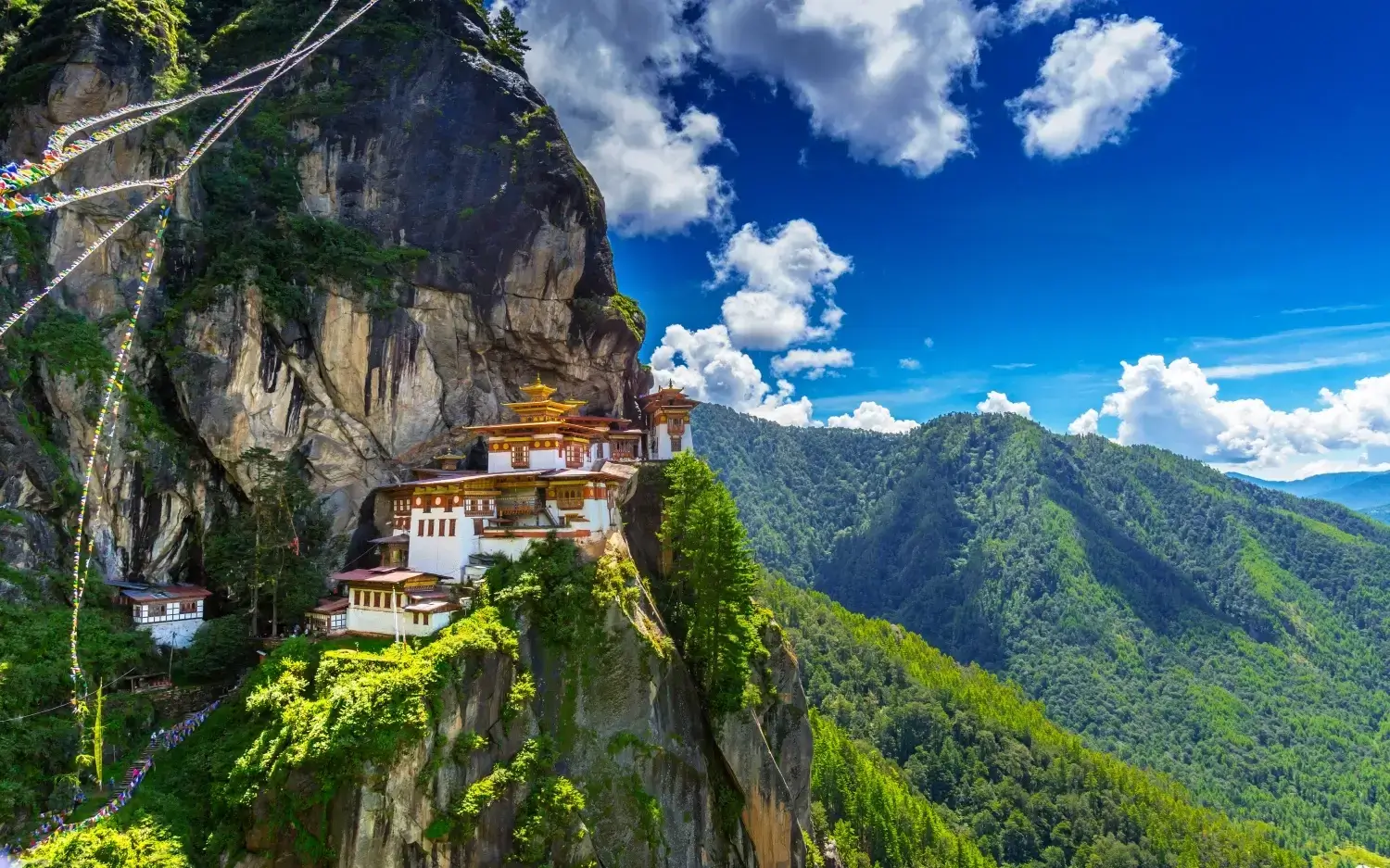
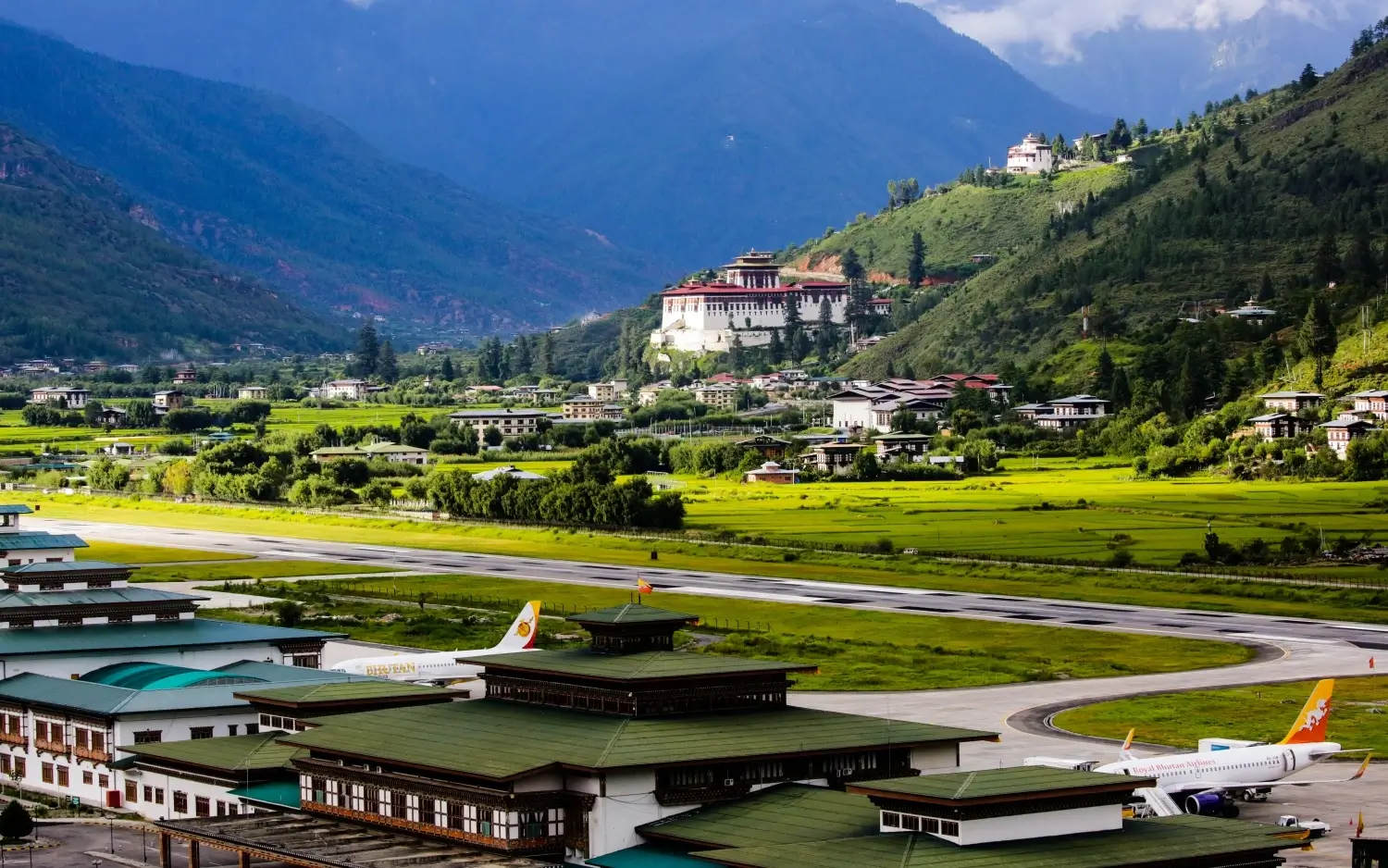
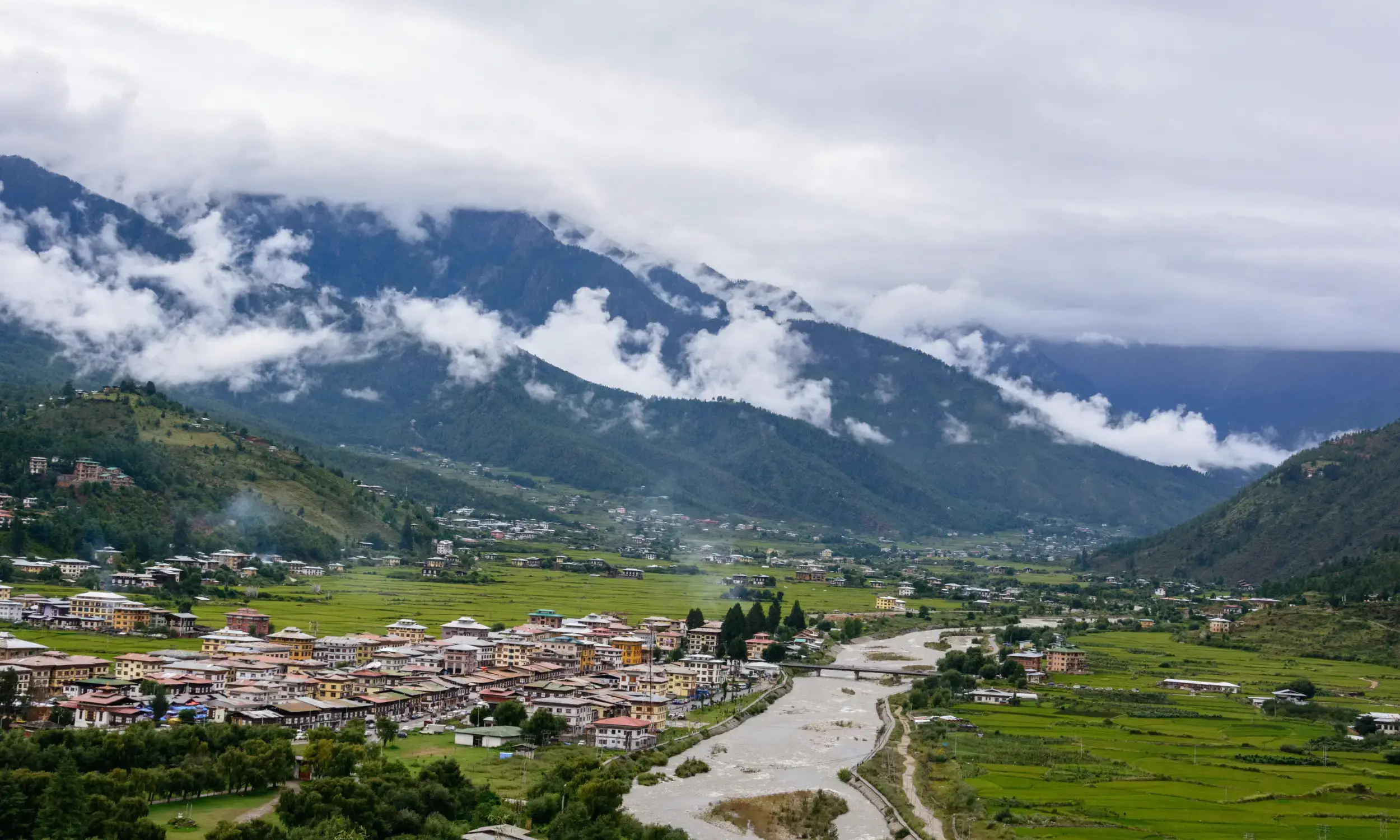
Paro, a picturesque valley town, is one of Bhutan’s most significant cultural and historical destinations. Home to the iconic Tiger’s Nest Monastery or Paro Taktsang, ancient temples, and Bhutan’s only international airport, Paro seamlessly blends natural beauty with rich heritage. With its serene landscapes, traditional architecture, and vibrant festivals, Paro offers an immersive Bhutanese experience.
Top Attractions in Paro
- Paro Taktsang/Tiger’s Nest Monastery: The most popular attraction of Bhutan, Paro Taktsang or Tiger’s Nest Monastery as it is popularly known as, is perched dramatically on a cliffside at 3120 m. It is one of the 13 caves where Guru Rinpoche (Guru Padmasambhav) is said to have meditated. The trek to this sacred site is approximately 3 km (one way) and offers breathtaking views of Paro Valley. It remains a spiritual haven, drawing pilgrims and adventurers alike.
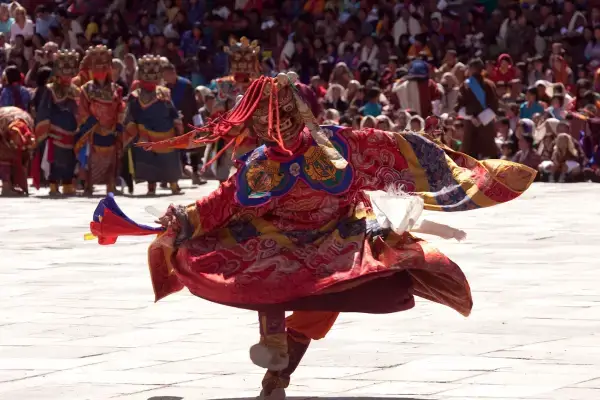
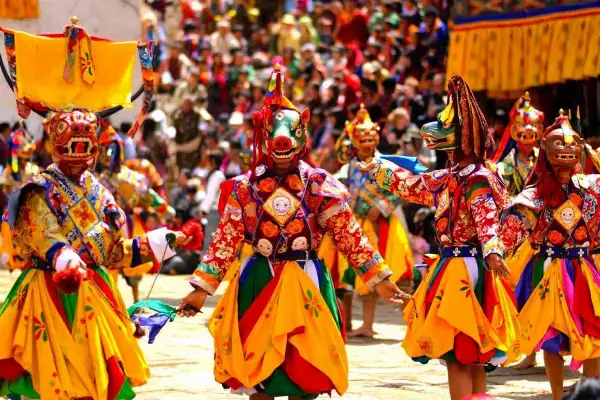
- Paro Dzong/Rinpung Dzong: A fortress-monastery, Paro Dzong, also known as Rinpung Dzong, showcases the rich Bhutanese architecture. Built in the 17th century, it serves as both a religious and administrative center. Adorned with intricate woodwork and stunning murals, the dzong hosts the vibrant Paro Tsechu festival, reflecting Bhutan’s rich cultural and spiritual traditions.
- National Museum of Bhutan: Housed in a former watchtower above Paro Dzong, the National Museum of Bhutan preserves the country’s rich cultural heritage. Its extensive collection includes ancient artifacts, Thangka paintings, religious relics, and Bhutanese stamps. The museum provides visitors with a deep insight into Bhutan’s history, traditions, and artistic achievements over the centuries.
- Kyichu Lhakhang: One of Bhutan’s oldest and most revered temples, Kyichu Lhakhang dates back to the 7th century. Built by Tibetan King Songtsen Gampo, the temple is situated in Lango Gewog of Paro District. The temple is one of the 108 temples built by King Gampo in order to subdue the demoness, Sin Mo. It is believed that all 108 temples including Kyichu Lhakhang were built on the same day.
- Drukgyel Dzong: Once a strategic fortress defending Bhutan from Tibetan invasions, Drukgyel Dzong now stands in ruins. Built in 1649 to commemorate victory over an invasion from Tibet, it offers stunning views of Mount Jomolhari (7326 m) on clear days. Despite its dilapidated state, the site remains a symbol of Bhutanese resilience and an important cultural landmark.
2 Thimphu
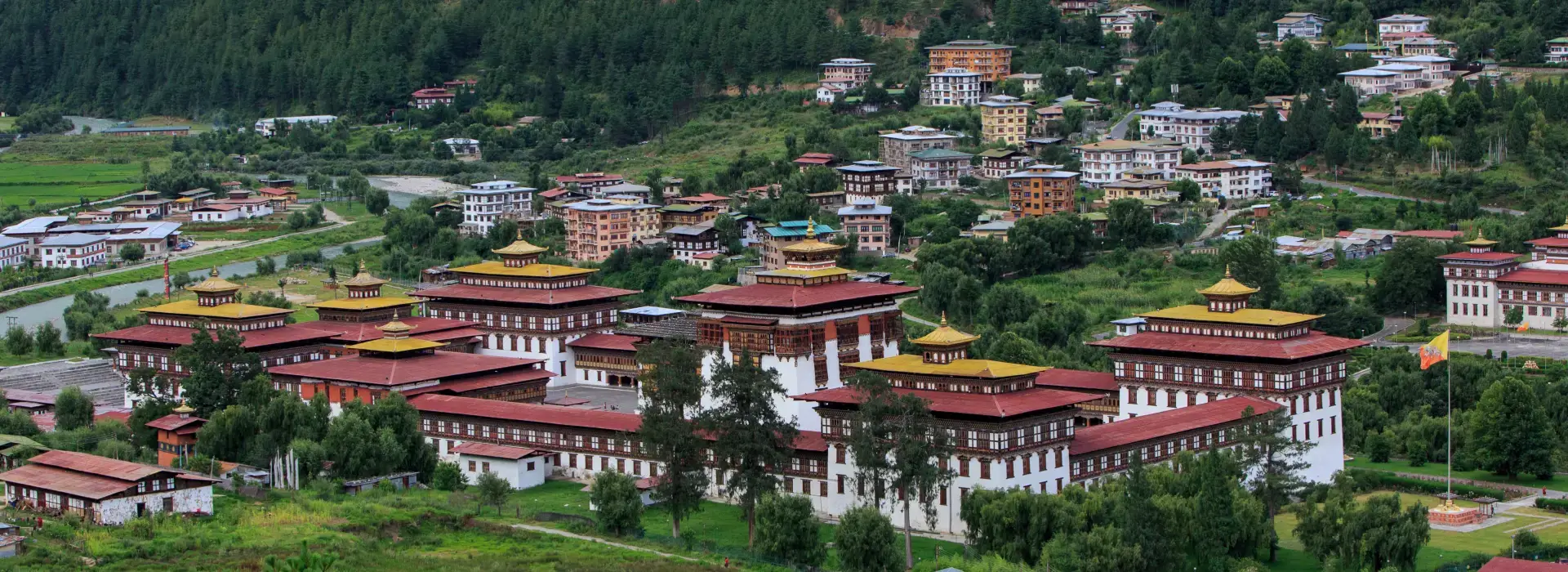
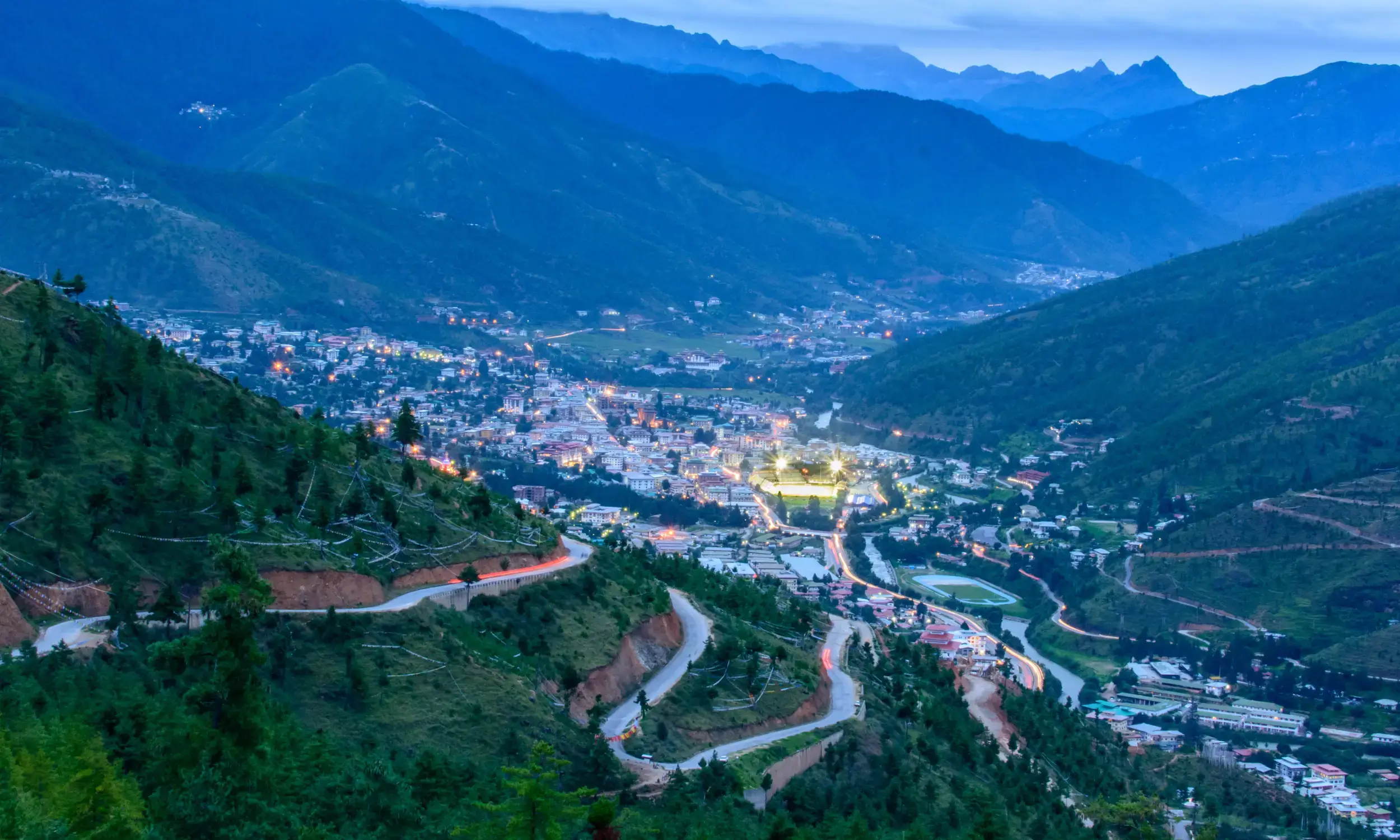
As Bhutan’s capital and largest city, Thimphu is a unique blend of tradition and modernity. It houses the majestic Tashichho Dzong, the revered Buddha Dordenma statue, and bustling markets showcasing Bhutanese handicrafts. Despite being a capital city, Thimphu maintains a peaceful ambience, it is one of the only capitals in the world without traffic lights, retaining its old-world charm while embracing progress.
Top Attractions in Thimphu:
- Tashichho Dzong: Tashichho Dzong in Thimphu is a Buddhist monastery and a fortress, which also houses the king’s office. Situated along the Wang Chhu River, this grand fortress features 30 temples, chapels and shrines along with lush gardens, and vibrant prayer flags. It plays a central role in national ceremonies and Thimphu’s cultural landscape.
- Buddha Dordenma Statue: A 169 feet tall Buddha Dordenma Statue is a magnificent golden structure overlooking Thimphu Valley. Housing over 125,000 smaller Buddha statues, this Shakyamuni was built to celebrate the 60th anniversary of the fourth king of Bhutan, Jigme Singye Wangchuck. The Great Buddha Dordenma is sited amidst the ruins of Kuensel Phodrang, the palace of Sherab Wangchuk, the 13th Druk Desi (Deb Raja) of Bhutan.
- Dochula Pass: A scenic mountain pass at 3,100 meters, Dochula Pass is adorned with 108 chortens built in honor of Bhutanese soldiers. Besides the chortens, the site features the Druk Wangyal Lhakhang monastery to commemorate Bhutan’s fourth king, Jigme Singye Wangchuck. Its expansive front yard serves as the venue for the annual Dochula Druk Wangyel Festival. Nearby, the pass lies Bhutan’s first Royal Botanical Park.
- National Memorial Chorten: The National Memorial Chorten in Thimphu is a sacred monument built in memory of Bhutan’s third king. Adorned with golden spires and intricate mandalas, it is a site of daily prayers and meditation. Locals circumambulate the chorten, spinning prayer wheels and seeking blessings for peace and well-being.
- Weekend Market: Thimphu’s Weekend Market is a vibrant hub where locals and tourists explore Bhutanese handicrafts, textiles, organic produce, and exotic spices. The lively atmosphere showcases Bhutan’s rich traditions, with vendors selling handmade artifacts, yak cheese, and aromatic incense.
3 Punakha
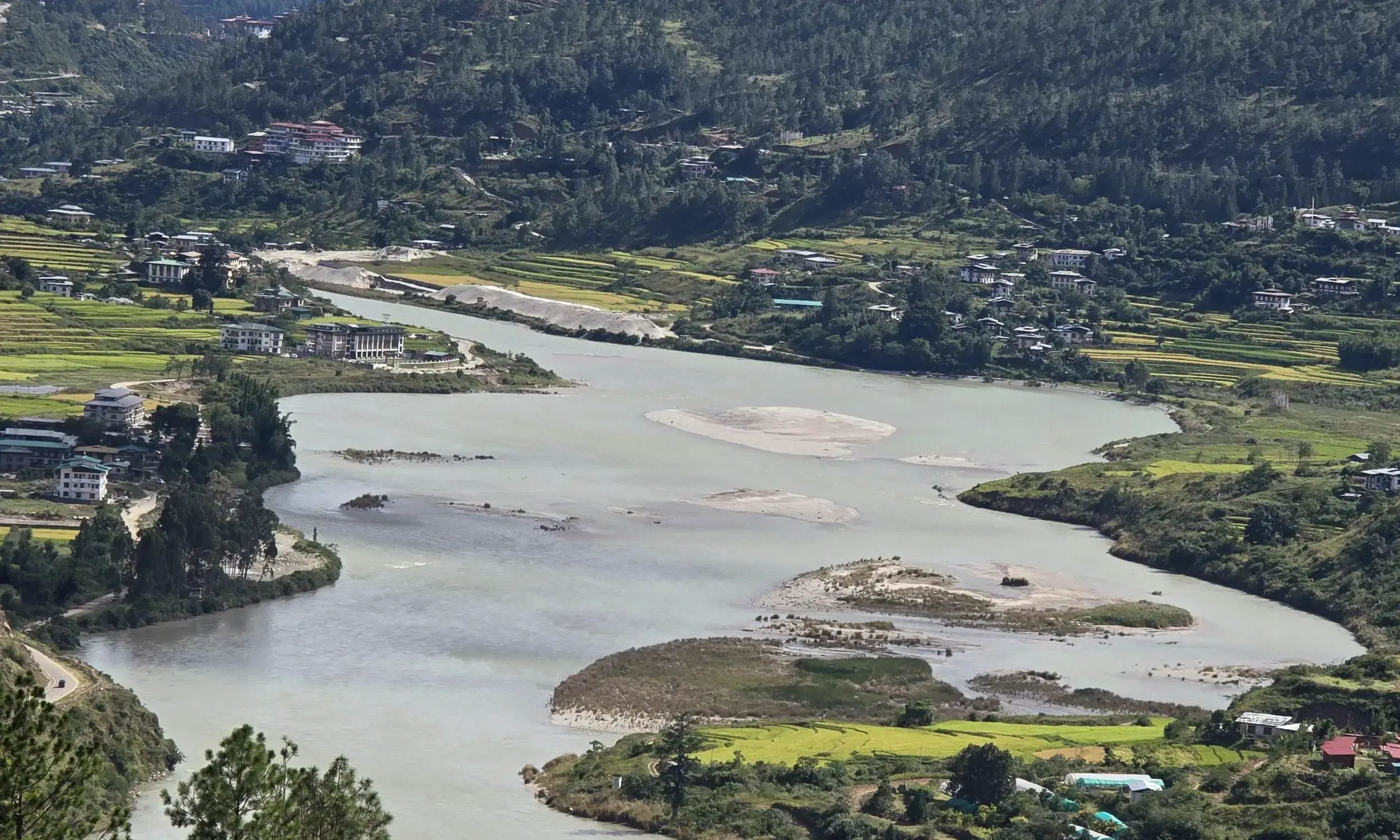
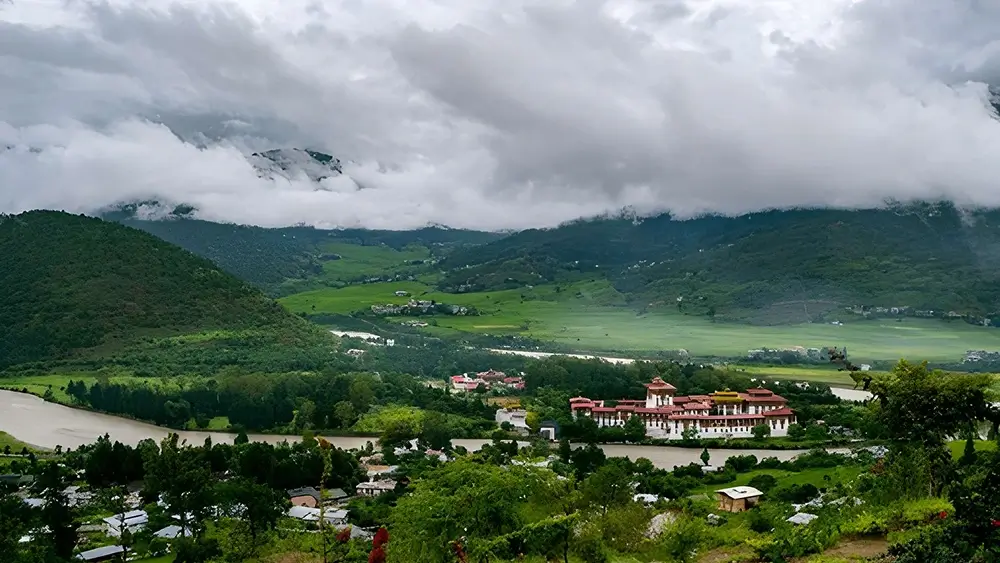
Once the capital of Bhutan, Punakha is known for its stunning valley, milder weather, and rich history. It has been the site of the coronation of the first king of Bhutan, Ugyen Wangchuck. Punakha is located at an elevation of 1,200 metres above sea level, and rice is grown as the main crop along the river valleys of two main rivers of Bhutan, the Pho Chu and Mo Chu.
Top Attractions in Punakha
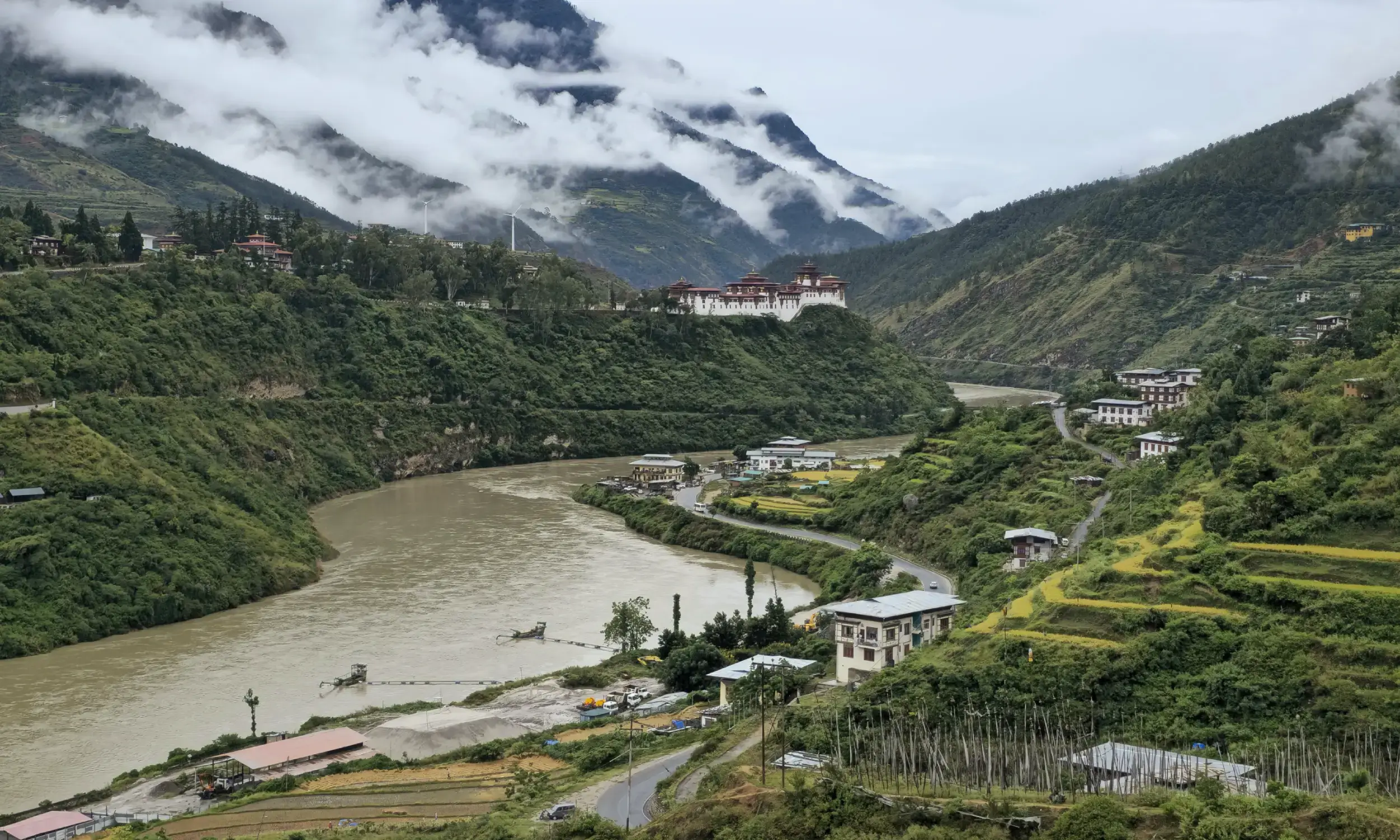
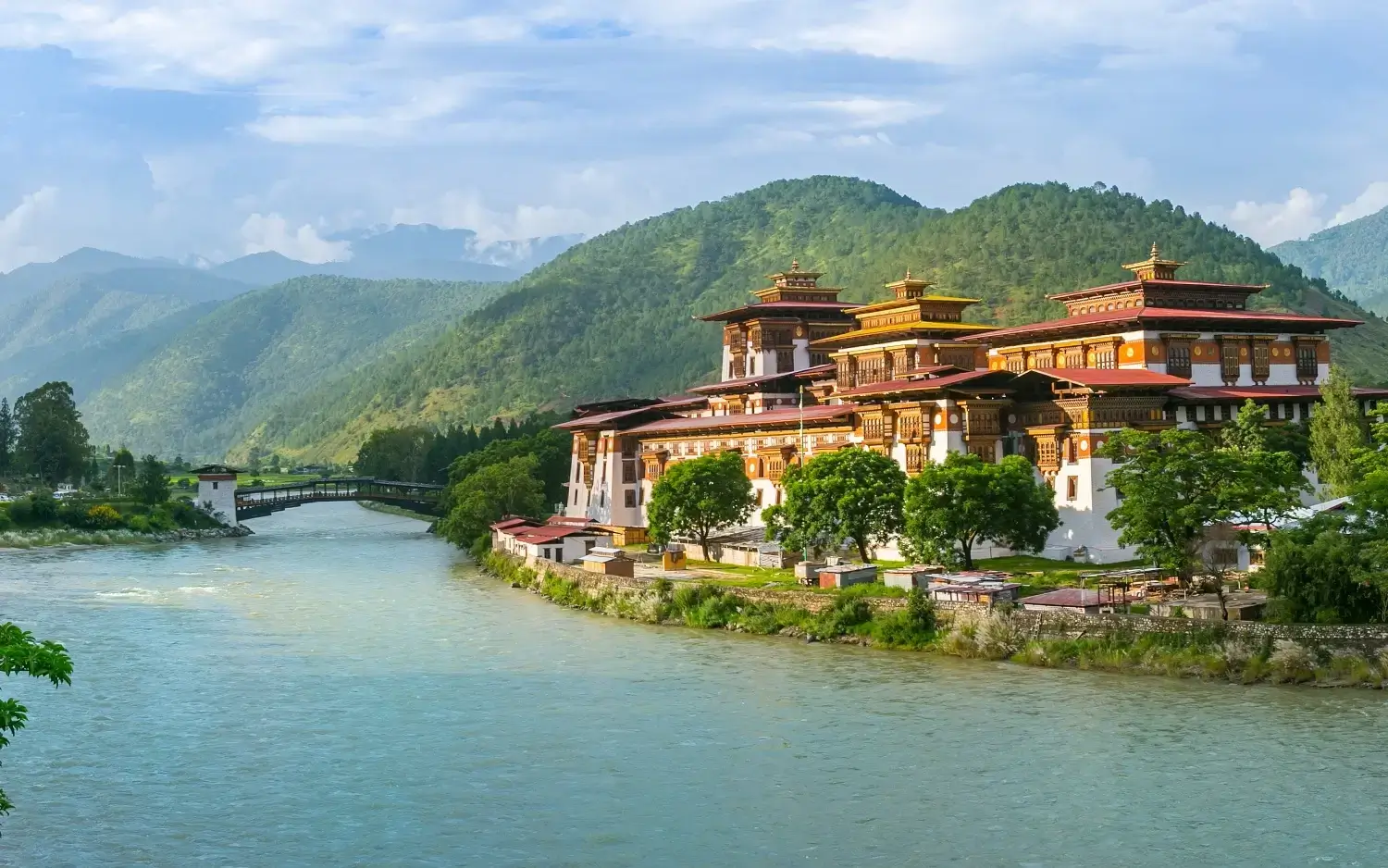
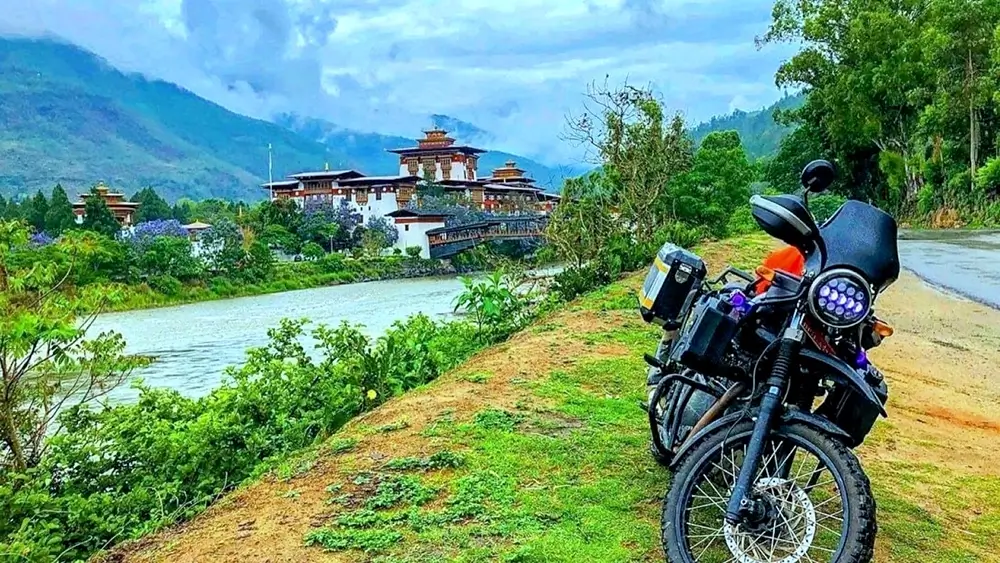
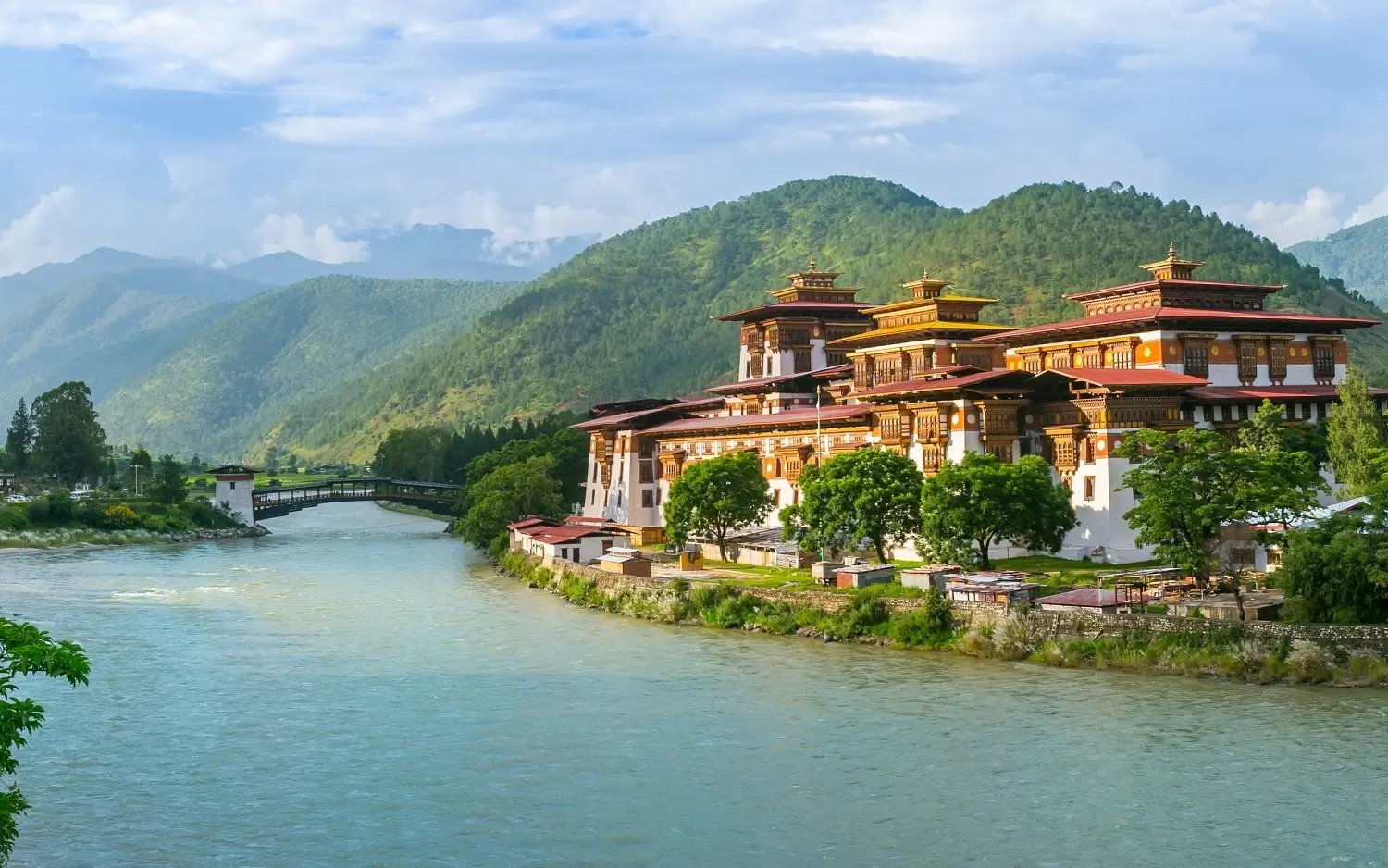
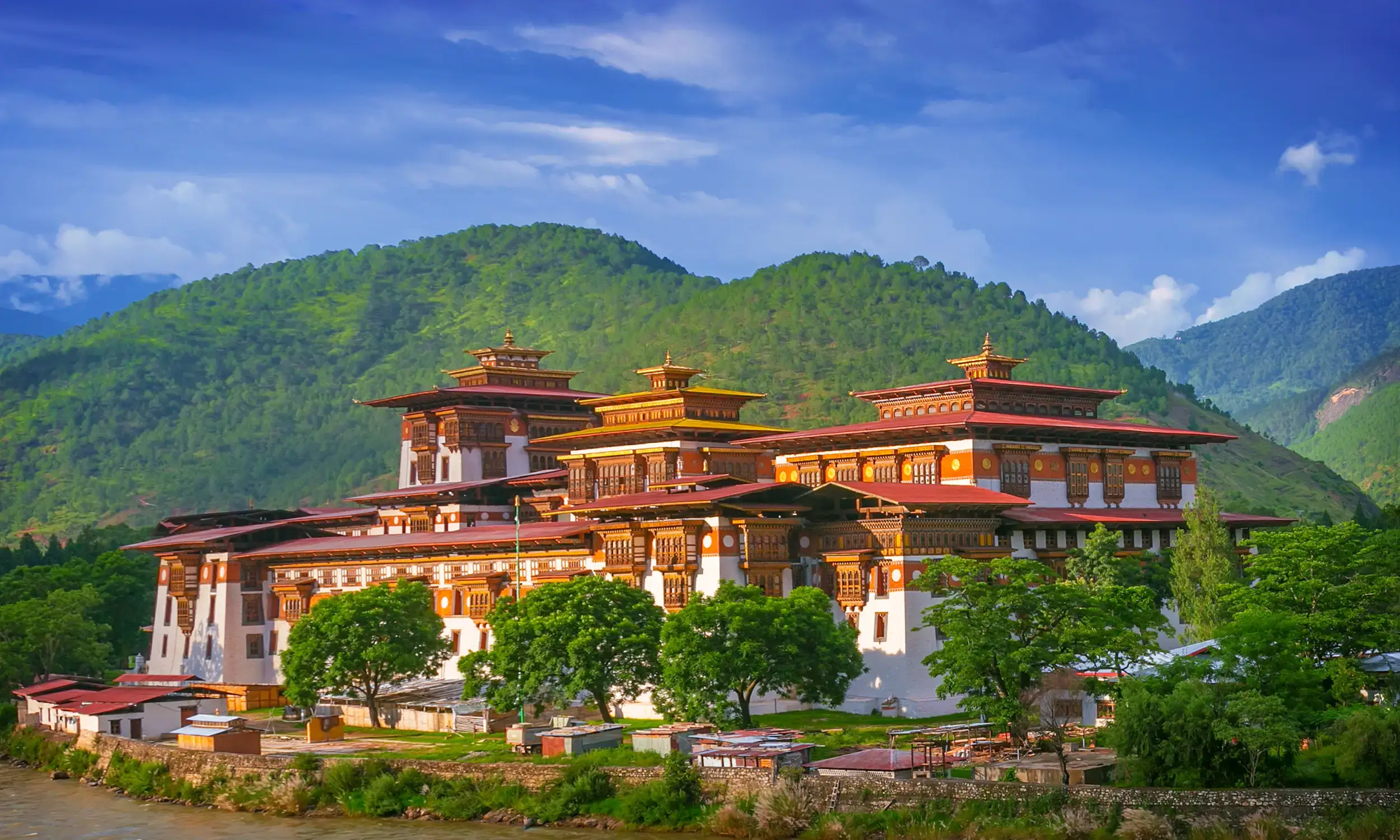
- Punakha Dzong: Known as the "Palace of Great Happiness," Punakha Dzong is an architectural masterpiece situated at the confluence of the Pho Chhu and Mo Chhu rivers. This majestic fortress, adorned with intricate woodwork and stunning murals, serves as an important religious and administrative center while offering breathtaking views of the valley.
- Punakha Suspension Bridge: One of Bhutan’s longest suspension bridges, Punakha Suspension Bridge stretches across the Pho Chhu River, connecting Punakha Dzong to nearby villages. It is 160 meters long and is about 1.2 meters wide and is lined with colorful prayer flags. The bridge offers spectacular views of the lush valley and river below, making it a must-visit in Punakha.
- Chimi Lhakhang (Fertility Temple): This sacred temple, dedicated to the Buddhist saint Lama Drukpa Kunley, is renowned for its fertility blessings. The temple houses the original wooden phallus symbol that Lama Drukpa Kunley brought from Tibet. Adorned with a silver handle, this sacred relic is used to bless pilgrims, especially women seeking fertility blessings. As part of the tradition, monks gently tap visitors on the head with a 10-inch (25 cm) wooden phallus, symbolizing divine empowerment and prosperity.
- Khamsum Yulley Namgyal Chorten: A marvel of Bhutanese craftsmanship, Khamsum Yulley Namgyal Chorten sits atop a hill, overlooking the picturesque Punakha Valley. Built in 2004 by The Queen Mother, Ashi Tshering Yangdon Wangchuck to promote peace and harmony, the chorten boasts intricate murals and sacred relics. A rewarding hike through terraced fields and pine forests leads to this serene and sacred monument.
- White-Water Rafting: For adventure enthusiasts in Punakha, white-water rafting in the pristine Pho Chhu and Mo Chhu rivers offers an exhilarating experience. With a mix of gentle stretches and thrilling rapids, the ride caters to both beginners and seasoned rafters. The journey through lush landscapes and towering cliffs makes it an unforgettable outdoor adventure.
4 Bumthang
Bumthang, often called the "Spiritual Heartland of Bhutan," is home to some of the country’s most ancient monasteries and sacred sites. The district consists of four valleys, namely, Chokhor, Tang, Ura, and Chhume, each offering unique cultural and natural beauty.
Top Attractions in Bumthang:
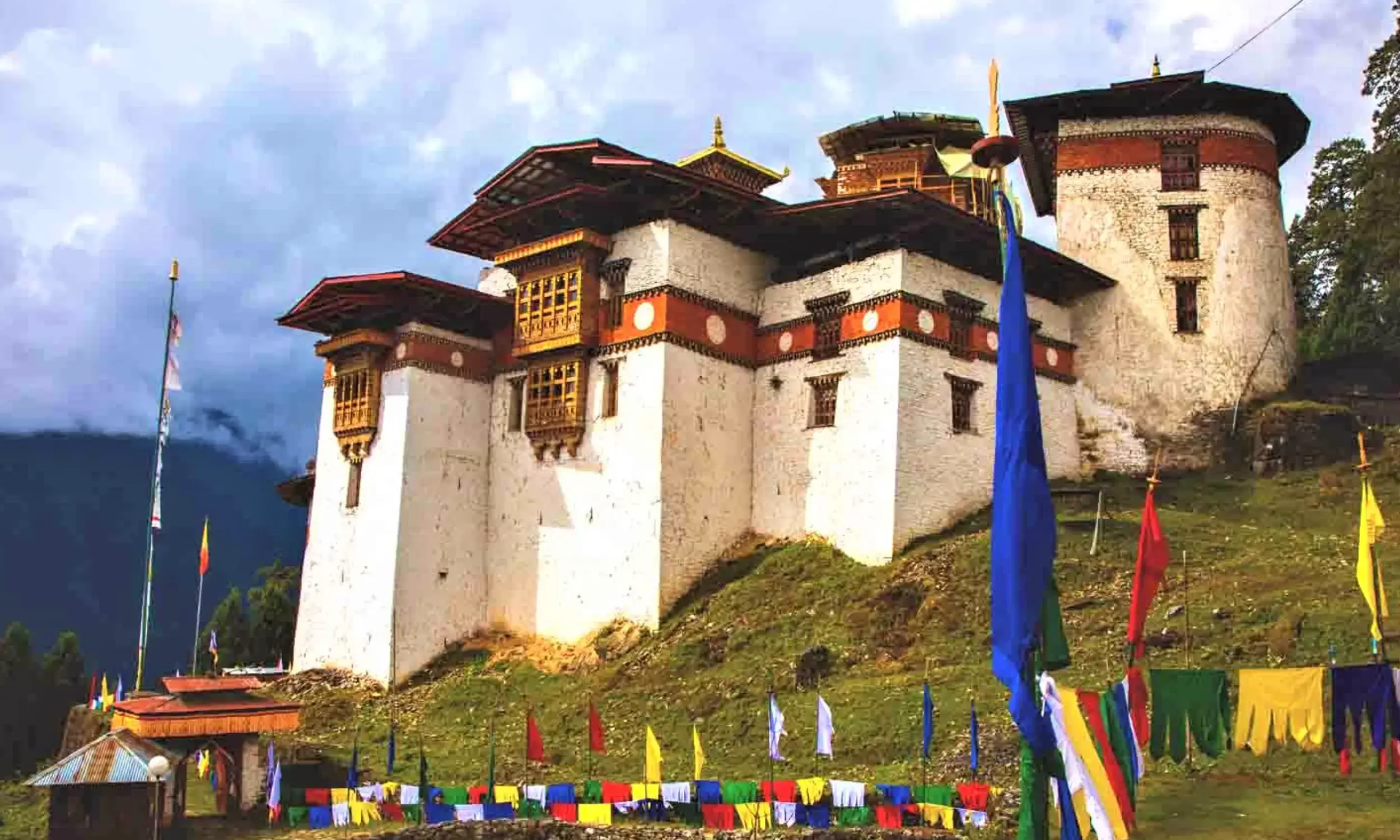
- Jakar Dzong: Known as the "Castle of the White Bird," Jakar Dzong stands majestically atop a ridge overlooking the Choekhor Valley. This impressive fortress, built in the 16th century, is one of the largest dzongs in Bhutan, with a circumference of more than 1,500 metres (4,900 ft). It also became the seat of the first king of Bhutan in 1646 and is therefore a must-visit in Bumthang.
- Jambay Lhakhang: One of Bhutan’s oldest temples, Jambay Lhakhang dates back to the 7th century and is deeply rooted in Buddhist history. The temple is said to be one of the 108 temples built by Tibetan King Songtsen Gampo in a day to subdue the demoness, Sin Mo. It is known for hosting the vibrant Jambay Lhakhang Drup festival, where sacred mask dances and fire rituals captivate visitors.
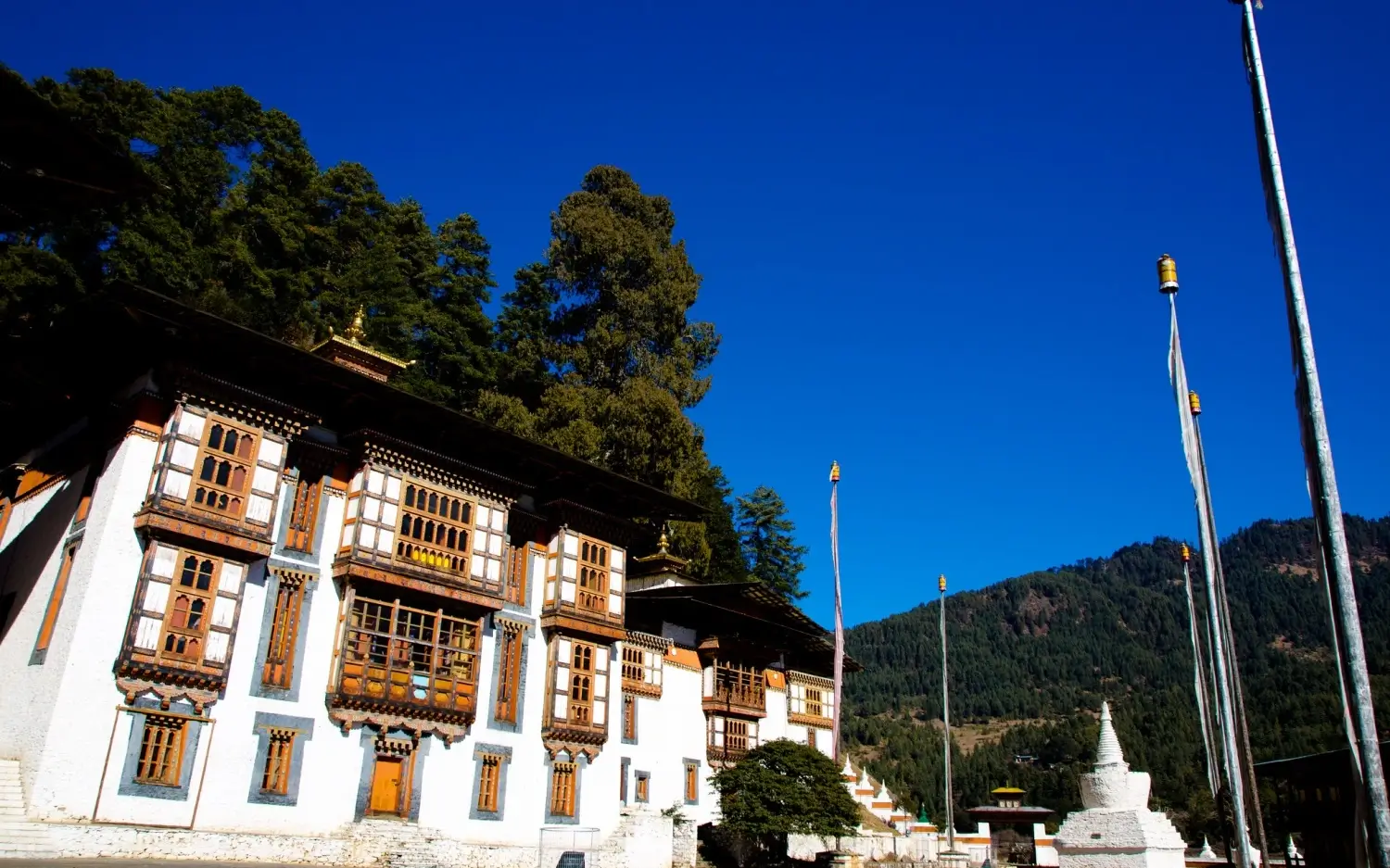
- Kurjey Lhakhang: Kurjey Lhakhang is a revered monastery where Guru Rinpoche meditated in the 8th century.This is also the final resting place of the remains of the first three Kings of Bhutan. Also, a large tree behind one of the temple buildings here, is believed to be a terma (religious teachings) that was left there by Padmasambhava. The monastery complex features three temples, each reflecting different periods of Bhutanese religious history and devotion.
- Tang Valley: A hidden gem in central Bhutan, Tang Valley is situated 11 km away from Jakar. The legend has it Guru Rinpoche, in his efforts to subdue Khikha Rathoe, the son of King Trisong Detsen, flew him and his ministers on a mystical wooden airplane. As it ascended, the aircraft caught fire, prompting Guru Rinpoche to make a miraculous landing on a rock in a valley in Bumthang. It is believed that the valley was named "Tang" after the sound the aircraft made upon landing.
- Mebar Tsho (Burning Lake): Mebar Tsho, or the Burning Lake, is a sacred site where Guru Rinpoche’s disciple, Pema Lingpa, is believed to have discovered hidden treasures. It is said that Pema Lingpa dreamed of a specific spot in the Tang Chuu River. As he stood on the rocks, gazing into the depths, he saw a submerged temple with multiple doors, one of which stood mysteriously open, inviting him to uncover its hidden treasures. It is still believed that enlightened beings can see the temple at the bottom of the lake.
5 Wangdue Phodrang
Wangdue Phodrang is a stunning district where cultural heritage meets natural beauty. With diverse landscapes ranging from warm forests to snowy peaks, this region offers a unique travel experience.The district is a gateway to central Bhutan and is famous for its bamboo and stone crafts and offers a glimpse into Bhutan’s traditional way of life.
Top Attractions in Wangdue Phodrang:
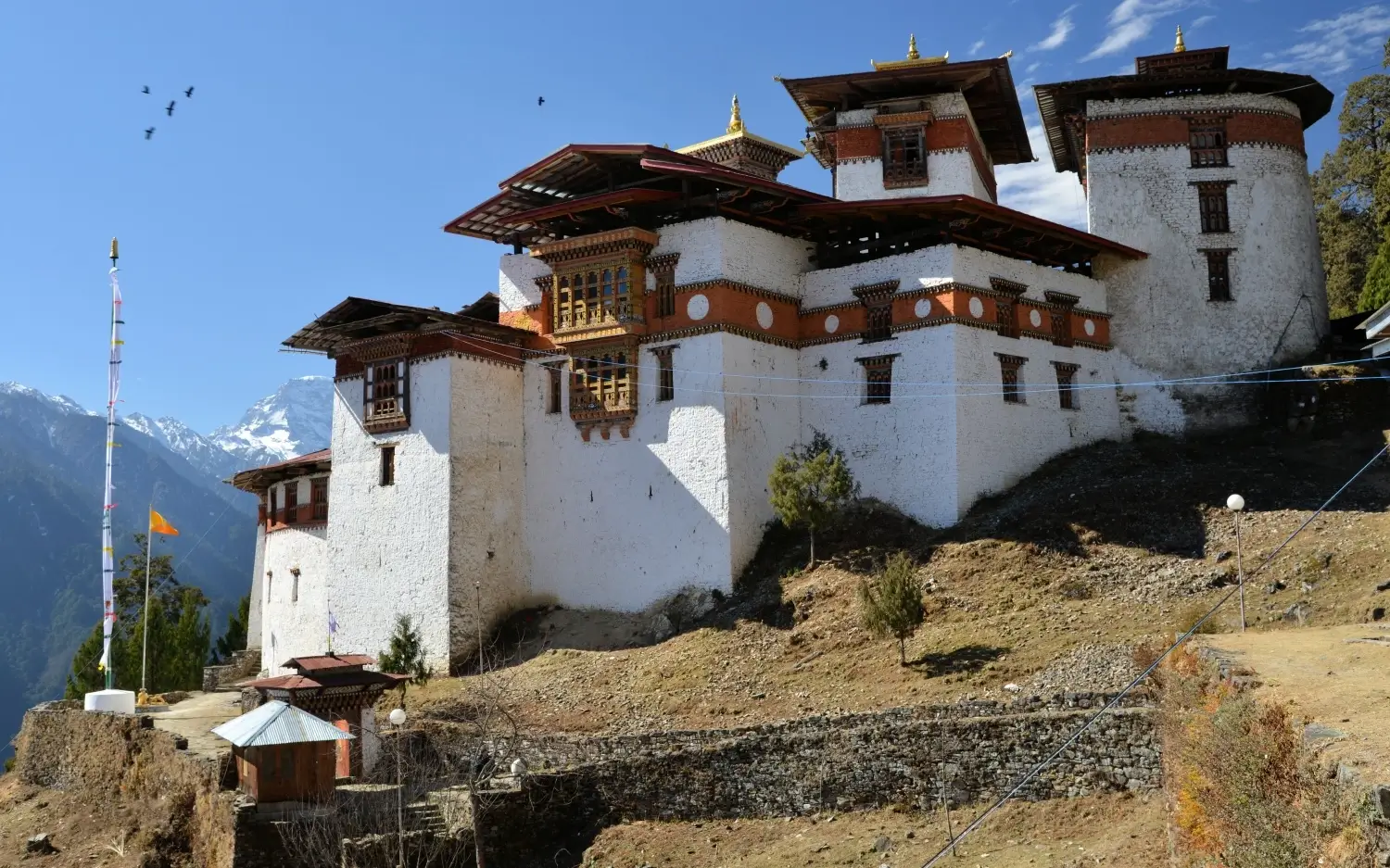
- Phobjikha Valley: A breathtaking U-shaped valley, Phobjikha is renowned for its pristine landscapes and tranquil ambiance. It serves as the winter home for the rare black-necked cranes, making it a paradise for birdwatchers and nature enthusiasts. The valley is home to one of the top Buddhist monasteries in Bhutan, Gangteng Monastery of the Nyingma sect.
- Gangtey Monastery: Perched on a ridge overlooking Phobjikha Valley, Gangtey Monastery is a magnificent 17th-century Nyingma monastery. The monastery is adorned with intricate architecture and sacred relics, and is an important center of Buddhist teachings. Visitors can enjoy spectacular valley views while experiencing the monastery’s peaceful atmosphere and vibrant religious ceremonies.
- Adha & Rukha Villages: Nestled in the heart of Bhutan’s countryside, Adha and Rukha villages offer a glimpse into traditional Bhutanese rural life. Visitors can experience local farming practices, engage with friendly villagers, and immerse themselves in age-old customs. The serene surroundings and cultural richness make these villages a hidden gem for travelers seeking off-the-beaten-path experiences.
- Black-Necked Crane Center: Devoted to the conservation of black-necked cranes, the center provides valuable insights into these rare birds and their fragile habitat. Visitors can observe the cranes during migration season (October to mid-February), explore educational exhibits, and learn about ongoing conservation efforts aimed at protecting this iconic species and its ecological significance.
6 Haa Valley
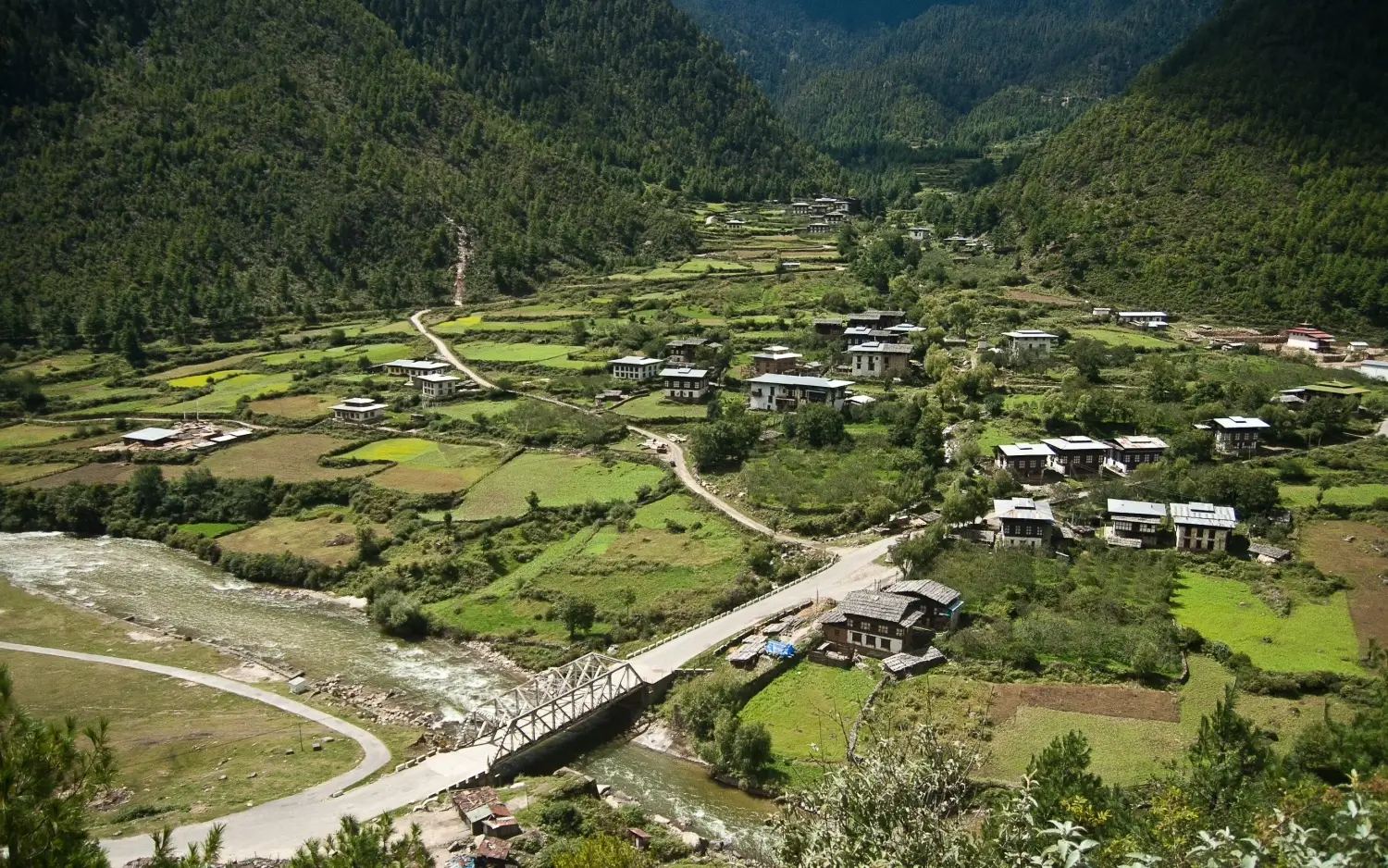
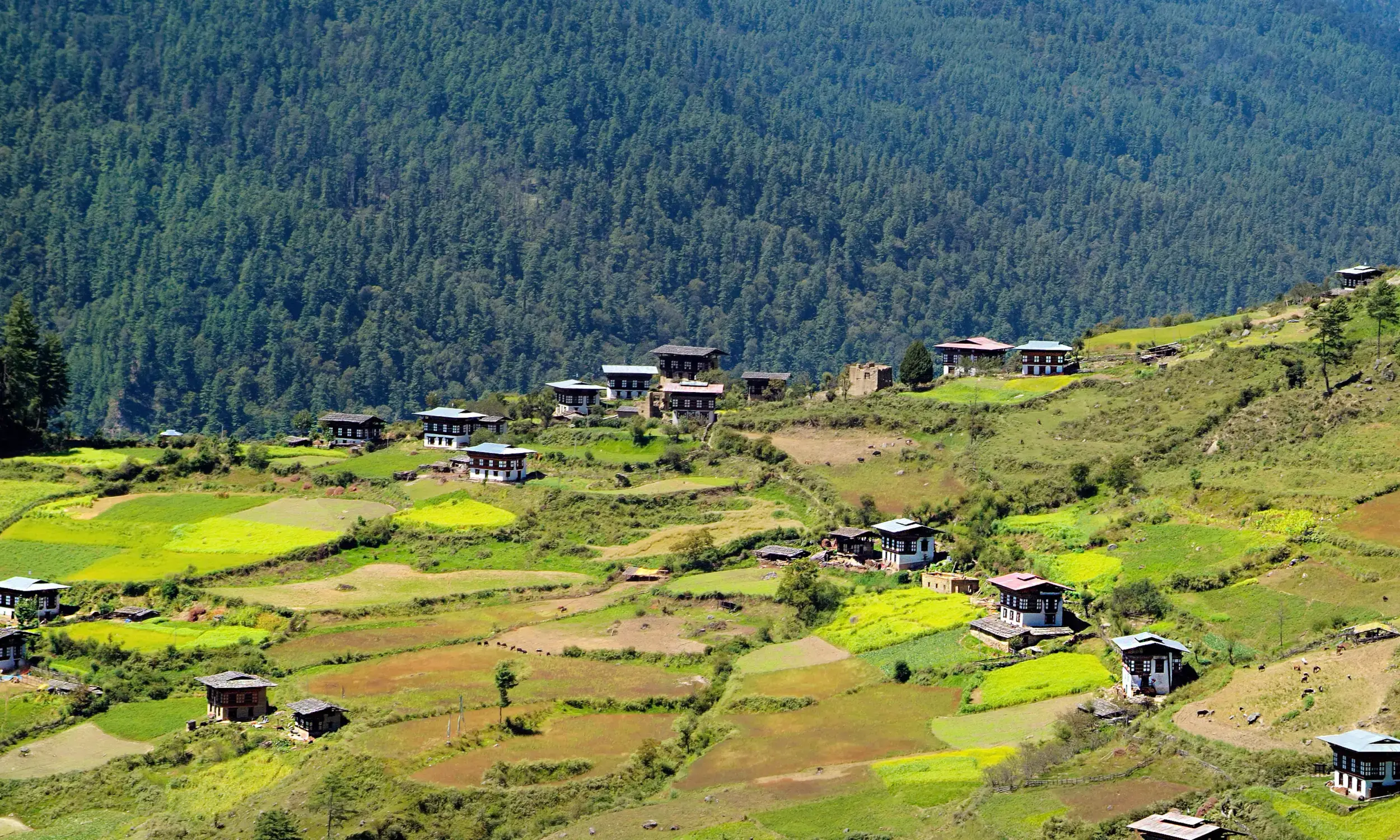
A hidden gem in western Bhutan, Haa Valley is known for its untouched natural beauty and rich cultural heritage. Surrounded by majestic mountains, this serene valley is home to ancient temples like Lhakhang Karpo and Lhakhang Nagpo. Its traditional villages and scenic trails make it a paradise for nature lovers.
Top Attractions in Haa Valley:
- Lhakhang Karpo & Lhakhang Nagpo: Located in the serene Haa Valley, the temples are believed to have been built by Tibetan King Songtsen Gampo in the 7th century. Known as the White and Black Temples, they symbolize purity and spiritual strength and hold deep religious significance and showcase exquisite Bhutanese architecture.The temples are said to be the guardians keeping watch over the valley.
- Chele La Pass: Standing at 3,988 meters, Chele La Pass is the highest motorable pass in Bhutan, offering stunning panoramic views of the snow-capped Himalayas.The pass is located 35 km from Paro and 26 km from Haa on the Bondey-Haa Highway and was built in the 1990s. An area below the pass was used as the location for Agay's Hut in Khyentse Norbu's film Travellers & Magicians, the first feature film shot entirely in Bhutan.
- Haa Summer Festival: A vibrant celebration of Bhutanese culture, the Haa Summer Festival showcases traditional dances, local handicrafts, and age-old customs. Held in the month of July or August, the festival offers yak herding demonstrations, authentic Bhutanese cuisine, and a glimpse of the unique traditions of the Haa Valley. The festival offers an enriching cultural experience in a stunning setting.
7 Gasa
Gasa, the northernmost district of Bhutan, is famous for its stunning landscapes, traditional Layap culture, and healing hot springs. Home to Gasa Dzong, this remote region offers breathtaking views of snow-capped mountains. It serves as a gateway to some of Bhutan’s most adventurous treks, including the challenging Snowman Trek.
Top Attractions in Gasa
- Gasa Dzong: Perched atop a hill, Gasa Dzong is a historic fortress offering breathtaking panoramic views of the surrounding mountains and valleys. Built in the 17th century by Tenzin Drukdra, the second Druk Desi over the site of a meditation place established by Drubthob Terkungpa in the 13th century. Inside the Guardian's Temple (Mgon Khang), Tenzin Drukdra placed a ritual object and performed the consecration ceremony.
- Gasa Hot Springs: Renowned for their healing properties, the Gasa Hot Springs are situated close to the banks of the Mo Chhu River. There are five bath houses for the general public and one reserved for the Royals. The water temperature varies in each of the pools and medicinal value, so visitors can choose the one according to their choices.
- Laya Village: Tucked away in the high-altitude Himalayas, Laya Village is home to the semi-nomadic Layap people, known for their unique culture and traditional yak-herding lifestyle. Surrounded by breathtaking mountain scenery, this remote village offers visitors a rare opportunity to experience authentic Bhutanese traditions and the warm hospitality of the Layap community.
8 Chukha
An important economic hub, Chukha is home to Bhutan’s largest hydropower projects, contributing significantly to the country’s energy sector. The district offers scenic mountain views and is rich in natural resources. While primarily an industrial region, Chukha also features tranquil monasteries and picturesque villages, making it a unique destination.
Top Attractions in Chukha
- Tala Hydropower Project: As one of Bhutan’s largest energy facilities, the Tala Hydropower Project plays a vital role in the country’s sustainable energy efforts. Situated on the Wangchu River, this massive hydropower plant significantly contributes to Bhutan’s economy by generating renewable electricity, much of which is exported to neighboring India.
- Kharbandi Gompa: Perched on a hilltop, Kharbandi Gompa was built by the Royal Grandmother in 1967. The monastery houses beautiful Buddhist murals and statues of Shabdrung Ngawang Namgyal and Guru Rimpoche along with paintings portraying scenes from the life of Lord Buddha. The monastery’s garden provides great views of the Phuentsholing town and the plains of West Bengal.
- Torsa Strict Nature Reserve: Torsa Strict Nature Reserve is Bhutan’s only protected area without human habitation. It preserves a pristine ecosystem of diverse Himalayan flora and fauna. Home to rare species like red pandas and blue sheep, this reserve is a paradise for nature lovers, offering stunning landscapes and opportunities for wildlife exploration.
9 Samtse
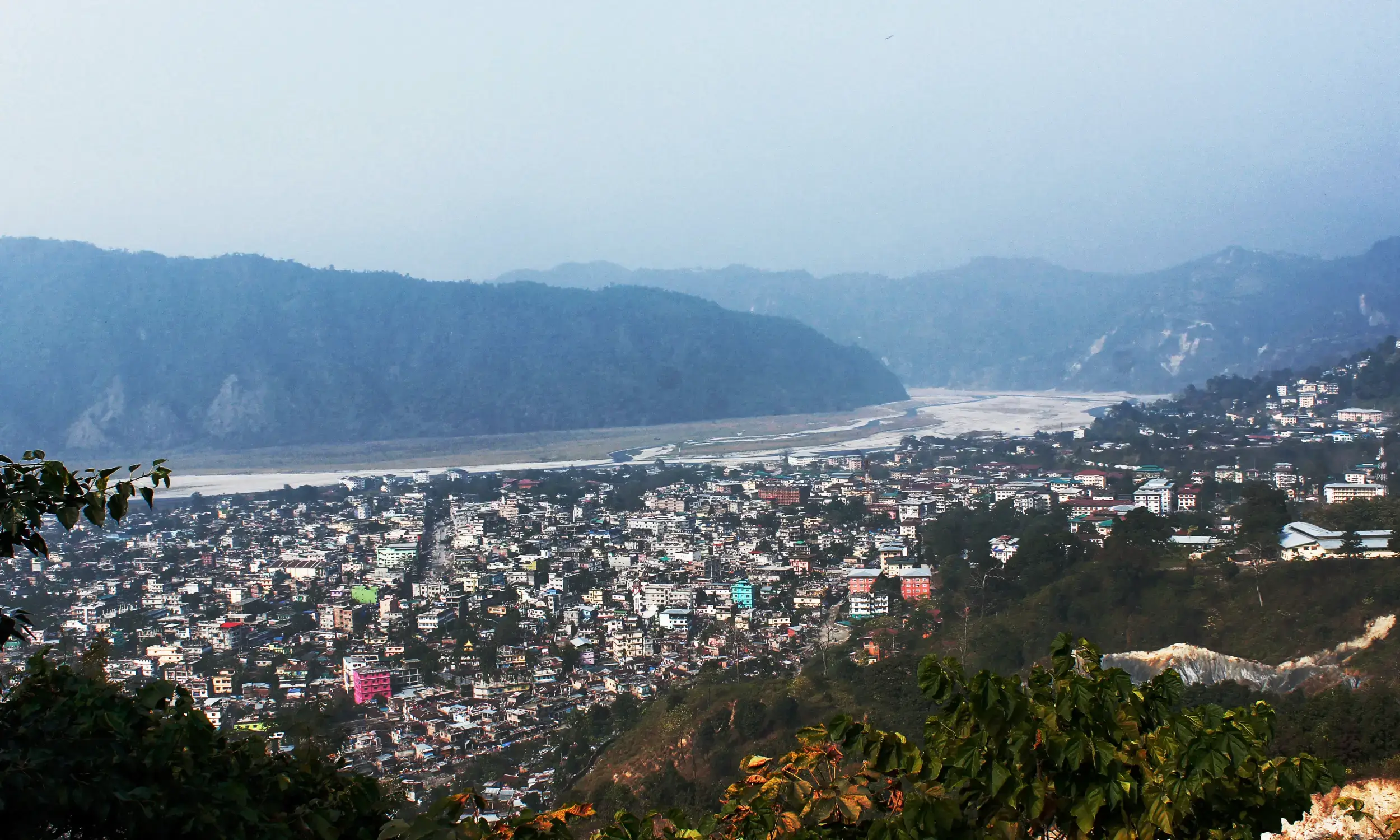
Samtse, a lesser known destination in Bhutan, offers visitors an authentic glimpse into Bhutanese rural life. With cultural influences from India, the region presents a unique blend of traditions and cuisine. Samtse is located in southwestern Bhutan. The district is gaining prominence with the construction of new infrastructure, such as the iconic Diana Bridge.
Top Attractions in Samtse
- Samtse Viewpoint: Samtse Viewpoint is a picturesque hilltop offering the view of the plains of West Bengal. It is located about 40-min drive toward Samtse-Phuentsholing highway and is a perfect spot for nature lovers and photographers.
- Diana Suspension Bridge: The Diana Bridge is one of the most prominent attractions in Samtse. Replacing the old Bailey bridge, this impressive structure is known for its sheer scale, some even say it’s impossible to capture in a single photograph. Offering breathtaking views of the river and surrounding landscapes, it has become a top attraction in Samtse for both locals and travelers.
10 Phuentsholing
Phuentsholing is Bhutan’s commercial hub and main entry point from India. The town offers a fascinating mix of Bhutanese and Indian cultures, making it a great place to experience Bhutan’s unique identity. It is home to attractions like the Bhutan Gate, Zangto Pelri Lhakhang, and the Amo Chhu Crocodile Breeding Centre.
Top Attractions in Phuentsholing
- Zangto Pelri Lhakhang: A beautiful temple in Phuentsholing, Zangto Pelri Lhakhang is designed as a replica of Guru Rinpoche’s celestial abode. Adorned with intricate murals and sacred relics, it serves as a spiritual sanctuary for devotees. On the ground floor of the temple, there are statues of Guru Rinpoche and his eight manifestations. On the second floor, there are 8 Bodhisattavas and statues of Avalokiteshwara and Zhubdrung Ngawang Namgyal while on the top floor the main statue is of Buddha Amitabha.
- Amo Chhu Crocodile Breeding Centre: Located near Phuentsholing, the Amo Chhu Crocodile Breeding Centre is dedicated to the conservation of rare and endangered gharials and mugger crocodiles. Visitors can observe these fascinating reptiles up close while learning about Bhutan’s wildlife preservation efforts. The center plays a crucial role in protecting and rehabilitating Bhutan’s native crocodile species.
- Bhutan Gate: The grand entrance to Bhutan from India, the Bhutan Gate is an architectural marvel symbolizing Bhutanese heritage. Located in Phuentsholing, the ornately designed gate is a popular photography spot. It serves as the first glimpse of Bhutan’s rich culture and warm hospitality, welcoming visitors to the Land of the Thunder Dragon. Bhutan is a land where ancient traditions thrive amidst pristine landscapes. Whether you seek adventure, culture, or spirituality, these top destinations offer something unique for every traveler. Plan your journey and discover the magic of Bhutan!
 Bhutan Tours Online